
On December 15, 1791
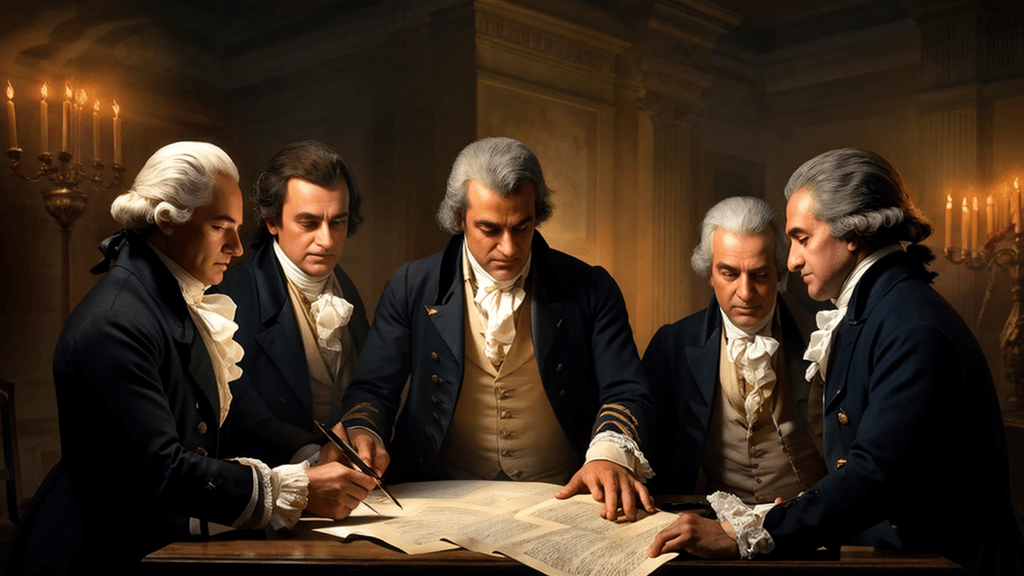
On December 15, 1791, the United States ratified the Bill of Rights, the first ten amendments to its Constitution. This pivotal moment in history not only codified fundamental liberties and democratic principles but also introduced a lexicon that continues to shape discussions of law, governance, and civil rights. Phrases such as “freedom of speech,” “due process,” “petition,” and “assembly” entered common English usage, influencing both American and global discourse on democracy and justice.
The Historical Context of the Bill of Rights
The Bill of Rights emerged in response to growing demands for a clear articulation of individual liberties following the American Revolution. While the U.S. Constitution, ratified in 1788, established the framework for government, many feared it did not sufficiently protect individual freedoms. The inclusion of these amendments reflected the ideals of the Enlightenment and the experiences of the colonial period, during which Americans resisted perceived overreach by British authorities.
Authored primarily by James Madison, the Bill of Rights was heavily influenced by earlier documents, including the Magna Carta (1215) and the English Bill of Rights (1689). However, its language and principles transcended these origins, creating a uniquely American vision of liberty that would resonate far beyond the nation’s borders.
Key Protections and Their Linguistic Impact
The Bill of Rights codified specific freedoms that enriched the English language with terms and concepts still central to discussions of governance and justice today.
Freedom of Speech and the Press
The First Amendment guaranteed individuals the right to express themselves without government interference. This not only solidified the idea of “free expression” but also popularized terms such as:
- “Censorship”: Referring to the suppression of speech or information, a term now central to debates about government control, media, and free expression.
- “Free Press”: Enshrining the media’s role as a watchdog of government, this phrase continues to shape journalistic ethics and practices.
Freedom of Religion and Assembly
The First Amendment also introduced enduring terms that emphasized the importance of pluralism and collective action:
- “Religious liberty” became a rallying cry for those advocating for the separation of church and state, influencing political discourse worldwide.
- “Peaceable assembly” highlighted the right to protest and organize, a key principle in civil rights movements and grassroots activism.
Due Process and the Rule of Law
The Fifth Amendment guaranteed “due process of law,” a phrase that became a cornerstone of legal and political debates. Its influence is evident in concepts such as:
- “Fair trial” and “equal protection under the law,” which emphasize impartiality and justice in legal proceedings.
- “Double jeopardy” and “self-incrimination,” terms that protect individuals from abuse within the judicial system.
Search and Seizure Protections
The Fourth Amendment safeguarded against unwarranted government intrusion, popularizing terms like:
- “Probable cause” and “warrant,” essential concepts in criminal law.
- “Privacy rights,” which have expanded in modern discussions to include digital privacy and data protection.
Right to Bear Arms
The Second Amendment’s guarantee of the right to “keep and bear arms” spurred debates on the balance between personal liberty and public safety. This language remains highly contested, influencing discussions about gun ownership and regulation in both American and global contexts.
Expanding the Vocabulary of Democracy
The ratification of the Bill of Rights contributed to a democratic lexicon that would inspire not only the United States but also movements and constitutions worldwide. Key phrases introduced or popularized by this landmark document include:
- “Unalienable rights”: Building on language from the Declaration of Independence, this phrase underscores the idea that certain rights are inherent and cannot be surrendered.
- “Limited government”: Highlighting the principle that governmental power must be constrained to protect individual freedoms.
- “Consent of the governed”: Reinforcing the democratic ideal that legitimacy arises from the will of the people.
These concepts resonated globally, influencing political revolutions, social justice movements, and the drafting of modern constitutions.
The Bill of Rights and Global Influence
While rooted in American constitutional history, the language of the Bill of Rights transcended national boundaries, becoming a touchstone for universal principles of human rights.
Inspiration for Other Democracies
The ideas enshrined in the Bill of Rights inspired subsequent charters and movements, such as:
- The French Declaration of the Rights of Man and of the Citizen (1789) and later constitutions around the world, which adopted similar terminology to promote individual freedoms.
- The Universal Declaration of Human Rights (1948), which drew on phrases like “freedom of speech” and “equal protection under the law” to advocate for universal liberties.
Influence on Social Movements
The language of the Bill of Rights played a vital role in the rhetoric of abolition, women’s suffrage, and civil rights, as activists invoked its principles to demand justice and inclusion.
Cultural and Linguistic Legacy
The Bill of Rights has left an enduring impact on culture, politics, and language, shaping how English speakers articulate ideas of freedom and justice. Beyond its immediate legal framework, it introduced expressions that resonate in modern discourse:
- “Checks and balances” became a metaphor for maintaining equilibrium, not only in government but also in business, technology, and other systems.
- “Equality before the law” continues to symbolize the fight against discrimination and the pursuit of social justice.
- Phrases like “life, liberty, and the pursuit of happiness” became cultural touchstones, celebrated in literature, music, and political rhetoric.
A Lasting Testament to Liberty
The ratification of the U.S. Bill of Rights marked a defining moment in the evolution of democratic governance and the English language. Its terminology enriched discussions of freedom, justice, and human dignity, creating a vocabulary that continues to resonate in contemporary debates about democracy and civil liberties.
From courtrooms to classrooms, from activist movements to international diplomacy, the language of the Bill of Rights remains a testament to the enduring power of words in shaping societies and protecting individual freedoms. Its influence extends far beyond its historical origins, serving as both a linguistic and ideological foundation for the ongoing pursuit of justice and equality.
Originally published on December 15, 2024, on The-English-Nook.com.
 What Happened on This Day?
Leave a comment