
January 9, 2007
The Birth of the iPhone
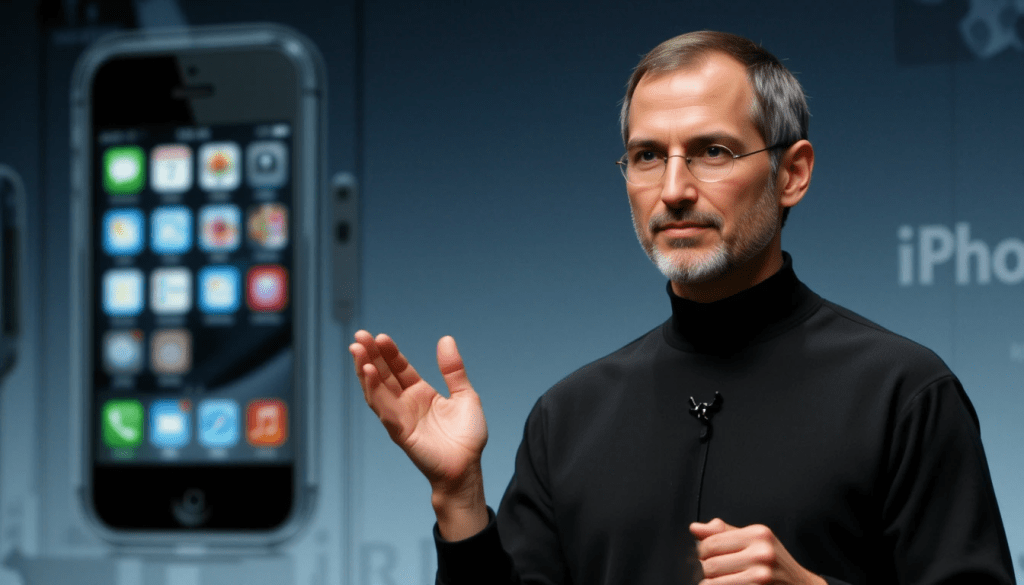
On January 9, 2007, Steve Jobs took the stage at the Macworld Conference in San Francisco and introduced the world to the iPhone. This groundbreaking device was not just a technological innovation—it reshaped the way humans communicate, work, and live. The iPhone ushered in the era of the smartphone and profoundly impacted the English language, introducing and popularizing terms that are now ubiquitous in everyday conversation.
“App,” “Smartphone,” and “Touchscreen”: A New Vocabulary Emerges
The launch of the iPhone brought with it a new lexicon to describe its innovative features and capabilities. While the term “smartphone” existed before 2007, the iPhone’s sleek design and revolutionary functionality gave it a new, broader significance. The term became synonymous with a powerful, user-friendly device that integrated phone calls, internet access, and a variety of apps into a single handheld unit.
The word “app,” short for application, became a household term with the introduction of the App Store in 2008, a year after the iPhone’s release. Although “application” had long been part of technical jargon, the iPhone transformed “app” into an everyday word referring to the small, downloadable software programs that revolutionized how we interact with technology. Today, “app” is one of the most widely recognized and used tech-related terms in the English language.
Similarly, “touchscreen” gained widespread adoption as a term describing the iPhone’s intuitive interface, which replaced traditional buttons with multi-touch gestures. This innovation made the concept of a touchscreen mainstream, leading to its incorporation into other devices and solidifying its place in global vocabulary.
Redefining Communication and Digital Interaction
The iPhone fundamentally changed the way people communicate, and this transformation extended to how English is used in digital contexts. The rise of text messaging, email, and social media apps on the iPhone introduced or popularized phrases like “text me,” “DM me” (direct message), and “send a screenshot.” The device’s seamless integration of multimedia features allowed for new ways to express oneself, including emojis, GIFs, and memes—all of which became part of the everyday language of digital communication.
Terms like “FaceTime,” Apple’s video calling feature, entered the vernacular as verbs. To “FaceTime” someone is now widely understood to mean video chatting, reflecting how the iPhone reshaped not only technology but also the way language adapts to new forms of interaction.
The iPhone’s Role in the Global Spread of English
The iPhone’s success also contributed to the dominance of English as the global language of technology and communication. Since the iPhone was developed by an American company, its interface and accompanying terminology were originally designed in English. As the device gained worldwide popularity, many of its terms—such as “app,” “notifications,” “swipe,” and “scroll”—entered other languages in their original English form. The global influence of the iPhone accelerated the adoption of English as the lingua franca of the digital age.
Revolutionizing Everyday Life and Speech
The iPhone didn’t just change how we communicate; it reshaped how we navigate daily life. Concepts like “push notifications,” “location services,” and “mobile hotspot” were either introduced or popularized as the device expanded its functionality. Terms like “cloud storage” and “syncing” became integral to how people discussed data and device management.
The iPhone also changed how people discuss time and activity. Words and phrases such as “screen time,” “battery life,” and “going viral” became part of the cultural lexicon as smartphones became indispensable tools for productivity, entertainment, and social interaction.
Impact on Marketing and Consumer Language
Apple’s mastery of marketing not only sold millions of iPhones but also shaped the language of advertising and branding. Phrases like “there’s an app for that” became cultural catchphrases, reflecting the ubiquity and versatility of apps in modern life. Apple’s sleek, minimalist language around the iPhone influenced how technology products were described, setting a standard for clarity and simplicity in consumer communication.
A New Era of Digital Storytelling
The iPhone also popularized the idea of creating and sharing content directly from a mobile device. Terms like “selfie,” “live stream,” and “vlog” became central to discussions about how people document and share their lives. The ability to capture high-quality photos and videos with a device that fit in one’s pocket democratized content creation and introduced new forms of expression into English.
“The iPhone Effect”
The introduction of the iPhone marked a watershed moment not only in technology but also in culture and language. Its influence has been so pervasive that it’s nearly impossible to imagine a world without the terms, concepts, and communication styles it popularized.
The device continues to shape the way people talk, write, and interact, solidifying its place as one of the most transformative innovations of the modern era. By introducing and popularizing words that reflect the possibilities of the digital age, the iPhone has left an indelible mark on the English language and the way we connect with each other.
“A Device That Changed the World—and Its Words”
The unveiling of the iPhone on January 9, 2007, was more than a product launch—it was the dawn of a linguistic and technological revolution. By giving rise to a new vocabulary and changing the way we communicate, the iPhone ensured that its legacy would extend far beyond hardware. Its impact on language and culture is a testament to its transformative power, continuing to shape how we speak, think, and connect in an ever-evolving world.
The iPhone: Redefining tech, reshaping language, and revolutionizing the way we connect.
Originally published on January 9, 2025, on The-English-Nook.com.
 What Happened on This Day?
Leave a comment