
December 3, 1967
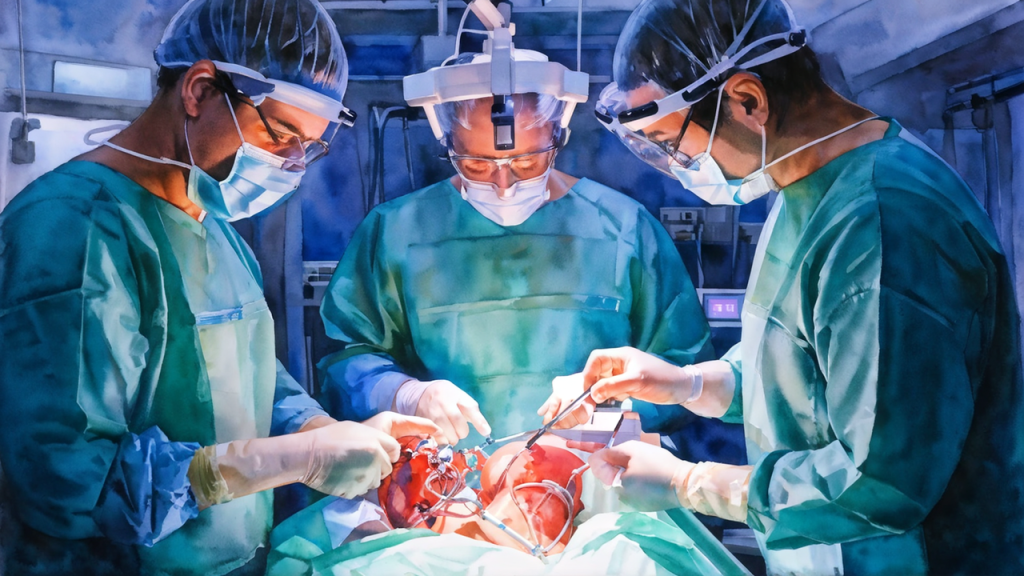
On December 3, 1967, Dr. Christiaan Barnard performed the world’s first successful human heart transplant at Groote Schuur Hospital in Cape Town, South Africa. This groundbreaking achievement not only revolutionized modern medicine but also introduced new terminology into the English lexicon, reshaping how we discuss healthcare, medical innovation, and the ethical dimensions of life-saving procedures.
Key Vocabulary Introduced or Popularized
The success of the first heart transplant brought specialized medical terminology into everyday English, expanding the language of medicine and ethics:
Medical and Surgical Terminology
- “Heart transplant”: Referring to the surgical procedure of replacing a diseased heart with a healthy donor heart, this term became a cornerstone in discussions of advanced medical interventions.
- “Organ donor”: A person who donates their organs, either in life or after death, for transplantation. This term gained prominence as the practice of organ donation expanded.
- “Rejection response”: The immune system’s reaction to a transplanted organ, often requiring medical intervention to prevent the body from attacking the new tissue.
Healthcare and Bioethics
- “Immunosuppression”: A crucial medical term describing the suppression of the immune system to prevent organ rejection. Drugs like cyclosporine became associated with this process.
- “Recipient”: The patient receiving the transplanted organ, highlighting the relational dynamic between donors and recipients.
- “End-stage organ failure”: A condition where an organ, such as the heart, is no longer functional, necessitating a transplant.
- “Viability”: Referring to the suitability of an organ for transplantation, this term became central to evaluating organ health post-removal.
Broader Concepts and Public Discourse
- “Bioethics”: The ethical study of biological and medical procedures. The advent of organ transplantation fueled debates around consent, medical equity, and the moral implications of extending human life.
- “Medical innovation”: Highlighting the role of groundbreaking procedures, this term underscored the rapid advancements in healthcare technologies and practices.
- “Quality of life”: A concept frequently discussed in the context of life-saving surgeries, emphasizing not just survival but the well-being of patients post-transplant.
Influence on English Language and Society
The first successful heart transplant reshaped English medical vocabulary and brought technical jargon into public discourse, influencing how society discusses health, innovation, and ethics.
Normalizing Medical Jargon in Everyday Speech
Terms like “heart transplant” and “organ donor” moved beyond the clinical setting, becoming familiar to the general public. These terms now feature in conversations about personal health decisions, organ donation campaigns, and medical storytelling.
Expanding the Language of Hope and Survival
The success of heart transplants inspired language centered on life extension and second chances. Terms such as “gift of life” emerged in organ donation campaigns, reflecting the emotional and societal impact of such procedures.
Fueling Ethical and Philosophical Debates
The introduction of organ transplantation sparked widespread ethical discussions, enriching English with terms like:
- “Informed consent”: Ensuring patients and donors fully understand the risks and benefits of medical procedures.
- “Allocation of resources”: Debates over how organs should be distributed, emphasizing fairness and equity in healthcare.
- “Brain death”: A clinical term that became crucial in defining criteria for organ donation.
Shaping Public Health Campaigns
The rise of transplant surgeries necessitated public education on organ donation, giving rise to slogans like “Be a donor, save a life” and reinforcing terms such as “registry” and “opt-in system” in healthcare contexts.
Broader Cultural and Historical Impact
Medical Advancements
The first heart transplant paved the way for numerous medical breakthroughs, embedding technical terms into the evolving medical lexicon:
- “Xenotransplantation”: The transplantation of organs from non-human species.
- “Mechanical heart”: Referring to devices that temporarily or permanently assist heart function.
Media and Literature
Heart transplants inspired a wave of media coverage, documentaries, and books that popularized terms like “miracle surgery” and “medical frontier”. These narratives often explored the human stories behind the science, deepening public understanding of the procedure’s significance.
Institutional and Legislative Changes
The procedure spurred global efforts to improve organ donation systems and ensure ethical standards. Governments adopted terminology such as:
- “Donor cards”: Introduced to encourage individuals to declare their willingness to donate.
- “Presumed consent”: A policy presuming that individuals are willing organ donors unless they opt out, promoting broader availability of organs for transplantation.
A Linguistic Legacy of Medical Breakthroughs
The first successful heart transplant on December 3, 1967, not only revolutionized healthcare but also expanded the English language, introducing new terms that reflect the complexity of modern medicine. Words like “organ donor,” “rejection response,” and “immunosuppression” now play a crucial role in discussions of health, bioethics, and medical innovation.
As heart transplants and similar procedures continue to save lives, the language that emerged from Dr. Barnard’s groundbreaking surgery endures, symbolizing humanity’s relentless pursuit of scientific progress and the ethical considerations that accompany it. This linguistic legacy reflects the profound impact of medical milestones on both individual lives and societal discourse.
Originally published on December 3, 2024, on The-English-Nook.com.
 What Happened on This Day?
Leave a comment