
What Happened on This Day?
-
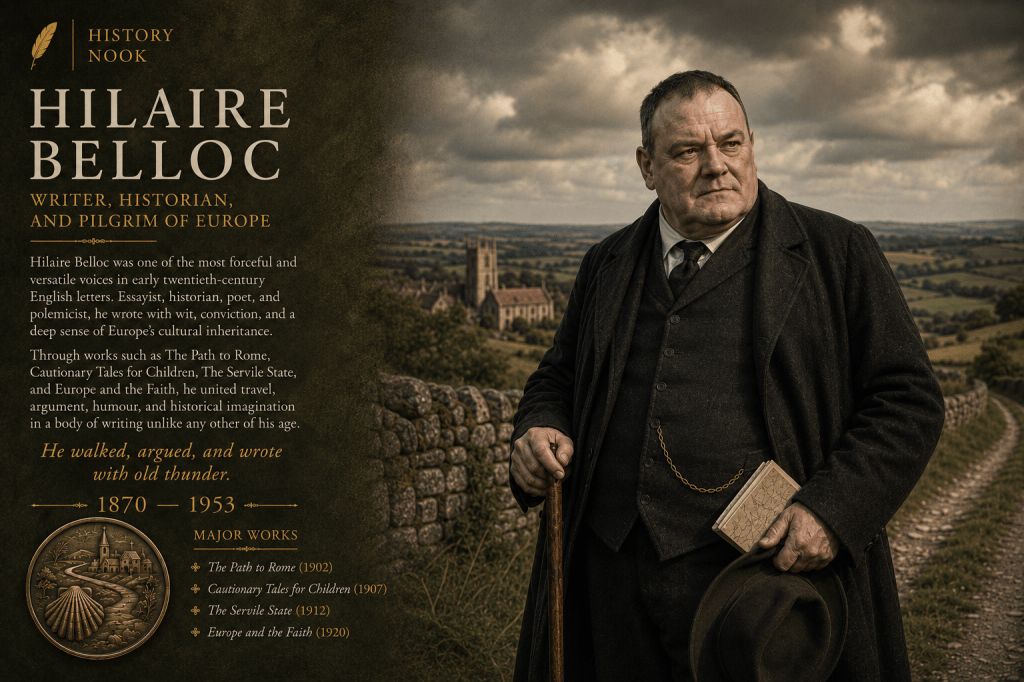
What connects a pilgrimage across Europe, a lion eating a disobedient child, and a fierce argument about civilisation? Discover the remarkable literary range—and complicated legacy—of Hilaire Belloc.
-

Can we ever see another person clearly, or do we merely see our own desires reflected back at us? Discover how Iris Murdoch joined philosophy, psychology, and fiction in the modern English novel.
-

Who decides which books belong at the centre of English literature? Discover how F. R. Leavis transformed close reading, literary education, and debates about the canon.
-
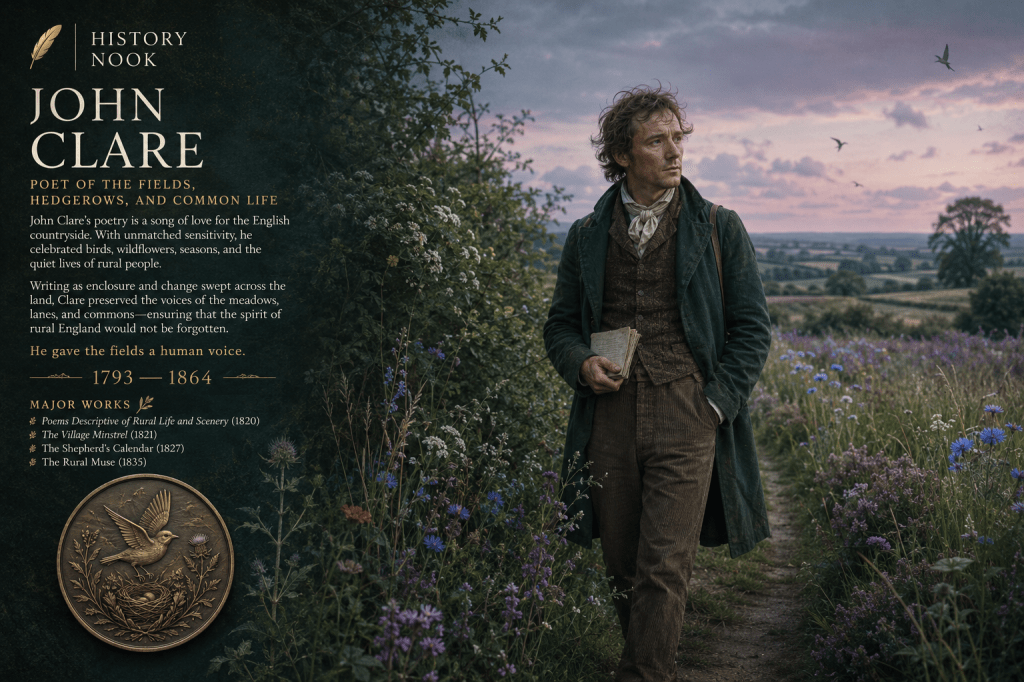
What happens when a landscape disappears—and the words used to describe it begin disappearing too? Discover how John Clare preserved rural England through poetry, dialect, and extraordinary attention to nature.
-
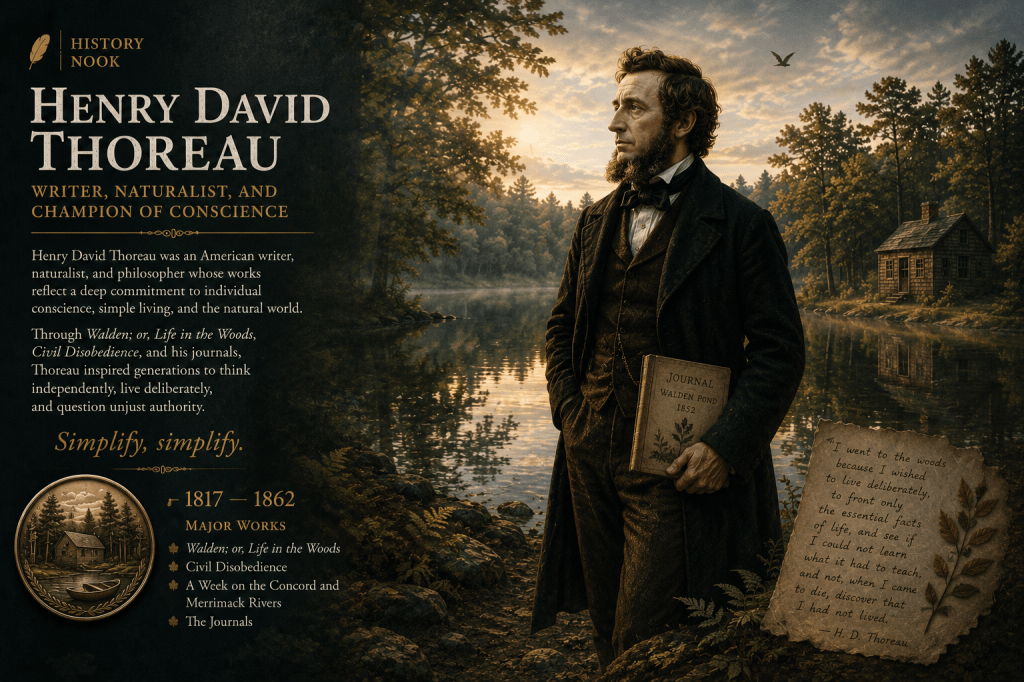
What can one pond reveal about an entire way of life? Discover how Henry David Thoreau shaped American prose, transformed nature writing, and turned careful observation into enduring literature.
-
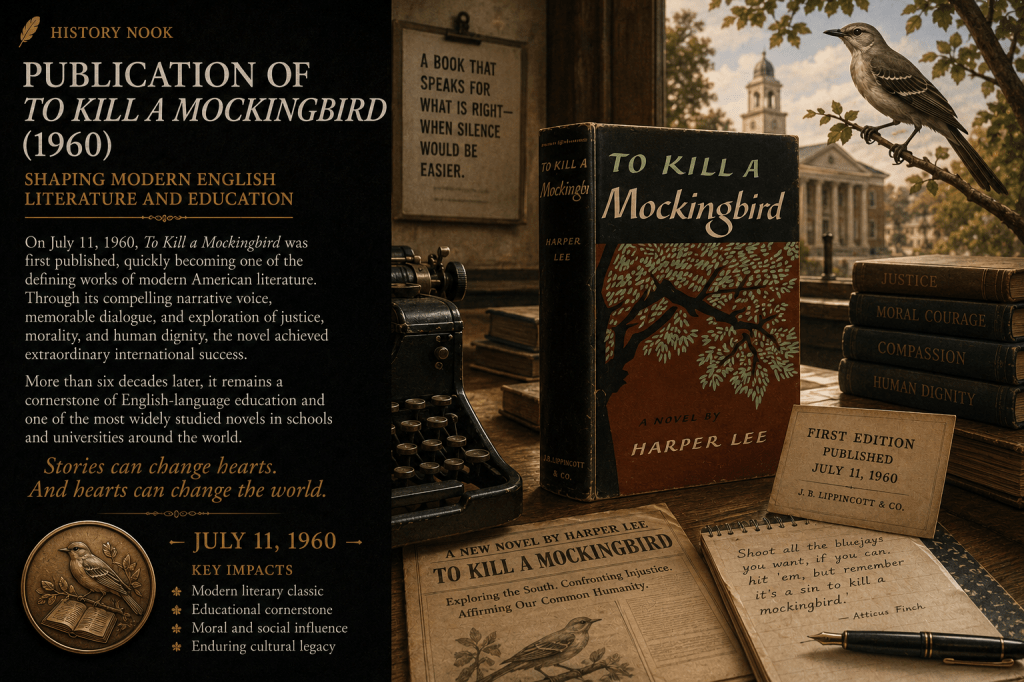
Why has one child’s view of a small Southern town remained central to literary education for generations? Discover how To Kill a Mockingbird shaped modern prose, classroom reading, and debates about justice, prejudice, and moral courage.
-
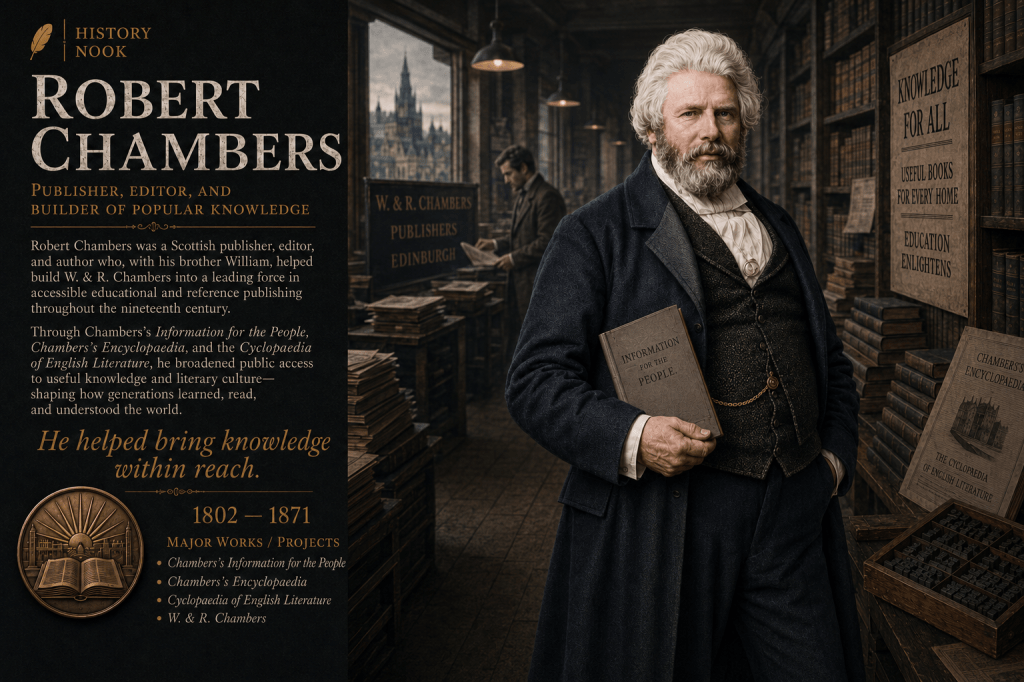
What if one publisher helped shape how generations discovered English literature? Explore how Robert Chambers transformed literary education through encyclopedias, anthologies, and accessible reference works that brought English literature within reach of millions of readers.
-
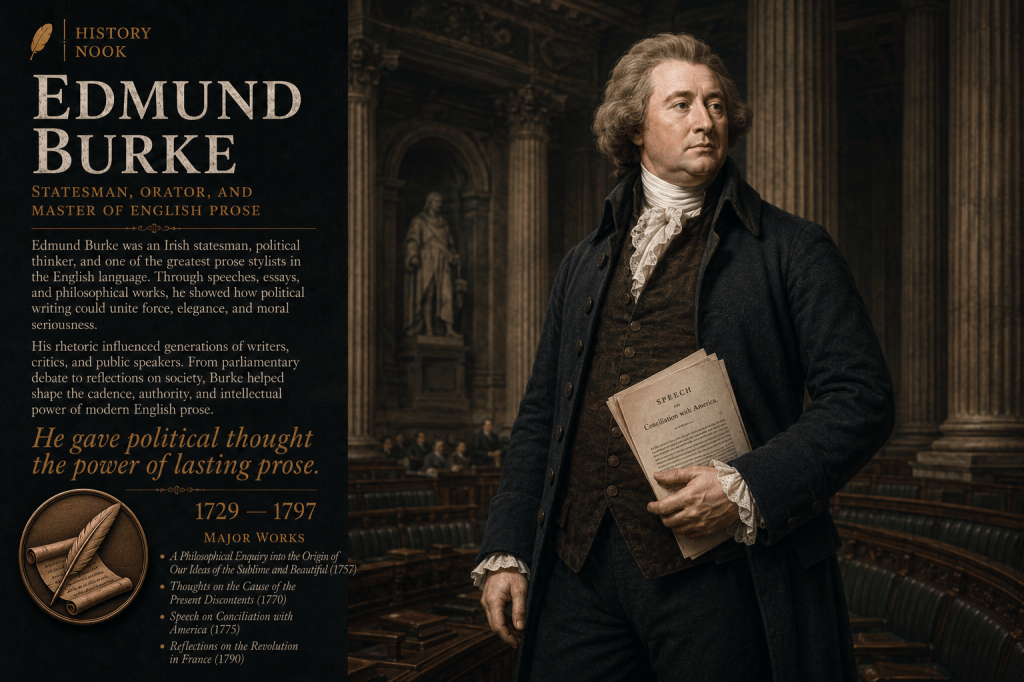
Can a statesman change a language as profoundly as a novelist or poet? Discover how Edmund Burke’s powerful prose, masterful rhetoric, and philosophical writing helped shape modern English nonfiction and influenced generations of writers, historians, and public speakers.
-
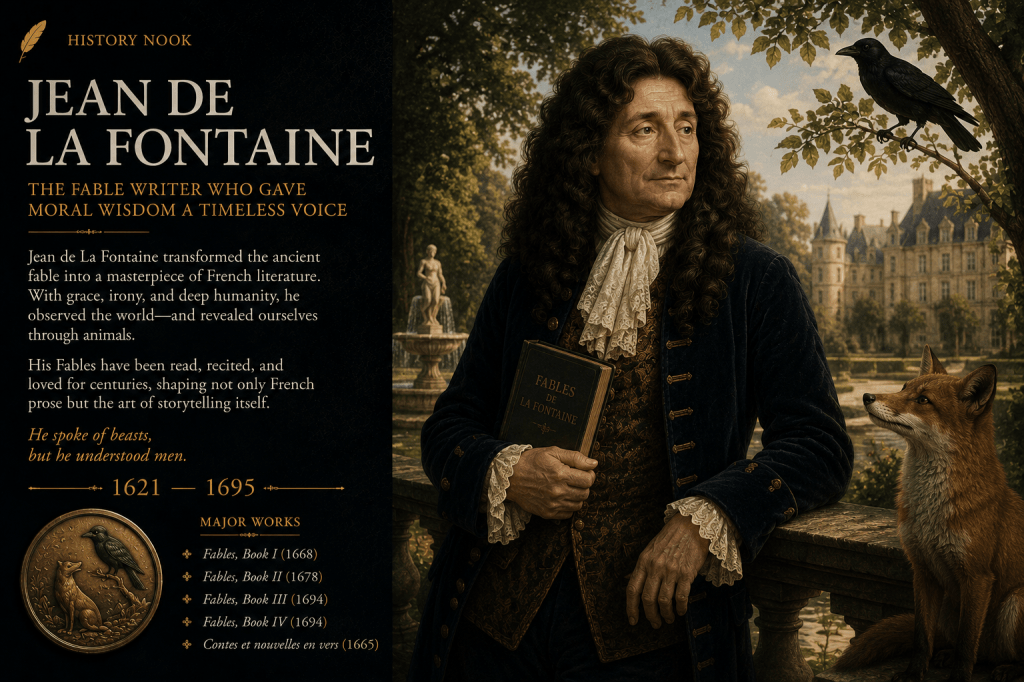
How can a talking fox or a clever crow shape the way generations think and write? Discover how Jean de La Fontaine’s timeless fables crossed linguistic borders, enriching English literary culture through translation, moral storytelling, and enduring wisdom.
-
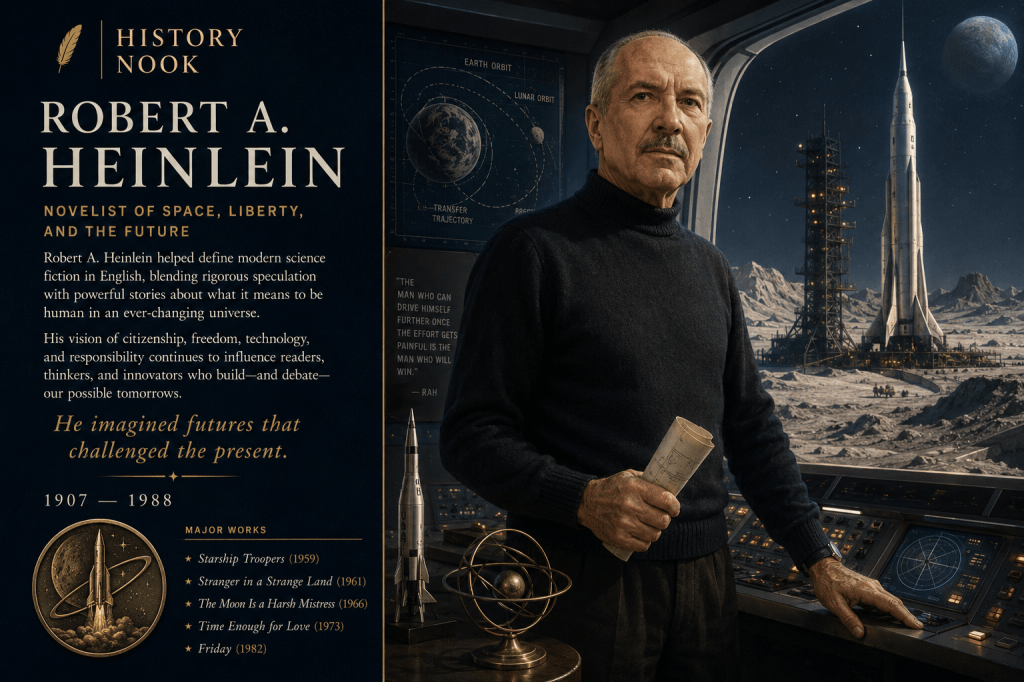
Robert A. Heinlein transformed English-language science fiction through innovative storytelling, influential ideas, and enduring concepts that reshaped modern speculative literature and popular culture.
 What Happened on This Day?