
January 19, 1809
Architect of Gothic Genius and Literary Innovation
On January 19, 1809, Edgar Allan Poe was born in Boston, Massachusetts. Celebrated as one of the most innovative and influential writers in English literature, Poe’s contributions transcend the confines of storytelling. As the architect of the modern psychological thriller, the progenitor of detective fiction, and a master of Gothic horror, Poe pioneered narrative techniques and themes that forever altered the literary landscape. His works not only enriched English literature but also introduced a distinctive vocabulary of the eerie, mysterious, and sublime that continues to resonate across cultures and generations.
A Visionary Writer’s Pioneering Contributions
Master of the Macabre
Poe’s fascination with the darker recesses of the human psyche allowed him to create works that pushed the boundaries of literary imagination. Tales such as The Fall of the House of Usher, The Tell-Tale Heart, and The Masque of the Red Death delved into themes of death, madness, and existential dread, infusing the Gothic tradition with psychological depth. Through his meticulous crafting of atmosphere and imagery, Poe gave English literature a new vocabulary to express fear, the uncanny, and the grotesque.
Father of Modern Detective Fiction
Poe’s 1841 short story The Murders in the Rue Morgue is widely regarded as the first modern detective story. His protagonist, C. Auguste Dupin, combined razor-sharp deduction, keen observation, and logical reasoning to solve mysteries, establishing the archetype for all future literary detectives. This innovative approach introduced a methodical narrative structure and elevated the detective story into a legitimate literary form, influencing titans such as Arthur Conan Doyle and Agatha Christie.
Pioneer of Psychological Thrillers
Poe’s exploration of unreliable narrators and disturbed minds in works like The Tell-Tale Heart and The Black Cat marked the birth of the psychological thriller. By delving into the fragmented, obsessive, and often pathological perspectives of his narrators, Poe created an intimate, unsettling storytelling style that profoundly influenced the genres of horror, mystery, and psychological fiction.
Key Vocabulary Popularized or Introduced
Words of the Gothic and Grotesque
- Macabre: Though the term existed prior to Poe, his works cemented its association with themes of death and horror. It became a cornerstone of literary discussions around Gothic and supernatural fiction.
- Grotesque: Used by Poe to describe the bizarre, distorted, and unnerving, this term became integral to literary criticism and continues to define works that challenge norms through the strange and unsettling.
- Raven: Immortalized by Poe’s poem The Raven, this word took on symbolic weight in English, evoking themes of loss, despair, and prophetic doom.
Psychological and Literary Terms
- Unreliable Narrator: Poe’s revolutionary use of narrators with questionable credibility introduced this concept, which became a central device in modern storytelling, particularly in mystery and psychological fiction.
- Atmosphere: Poe’s meticulous focus on creating an enveloping mood elevated “atmosphere” to a critical element in Gothic and horror literature, influencing how writers approached setting and tone.
- Lenore: The recurring name in Poe’s works became a poetic symbol of lost love, echoing in literature as a shorthand for unattainable or idealized affection.
Poe’s Lasting Influence on English Literature and Culture
A Literary Trailblazer
Poe’s innovative use of themes, structure, and style established him as a seminal figure in multiple genres. His works inspired authors like H.P. Lovecraft, Stephen King, and Ray Bradbury, while his influence on Gothic literature shaped everything from Victorian novels to contemporary horror.
Expanding the Literary Vocabulary
The concepts and imagery Poe introduced enriched the English language, giving readers and writers new tools to explore themes of fear, obsession, and existential dread. Terms like macabre and grotesque gained prominence in literary analysis, while the archetype of the “raven” became a cultural and literary icon.
A Global Icon
Poe’s works, translated into numerous languages, bridged cultural and linguistic boundaries. French poet Charles Baudelaire’s translations popularized Poe across Europe, where he became a revered figure in the Symbolist and Decadent movements. This global reach ensured that Poe’s contributions to language and literature transcended their American origins, influencing writers and readers worldwide.
Cultural and Linguistic Legacy
Transforming Storytelling
Poe’s narratives redefined how stories were told, introducing psychological realism and unreliable narrators as staples of modern fiction. His ability to intertwine emotion, intellect, and atmosphere created a storytelling model that endures across genres.
Symbolism and Language
Poe’s symbolism continues to permeate English literature and popular culture. The raven, for instance, remains a metaphor for death and despair, while terms like “quoth the raven” have entered idiomatic English as shorthand for poetic or melancholic expression.
Enduring Cultural Relevance
From cinematic adaptations to Halloween motifs, Poe’s influence is omnipresent. His works remain central to English curricula, ensuring that new generations encounter his unique blend of intellectual rigor and emotional intensity.
A Timeless Legacy
The birth of Edgar Allan Poe marked the arrival of a literary genius who would forever change how we tell stories, explore the human psyche, and articulate the unspoken. His contributions to English literature and the language itself transcend his lifetime, continuing to inspire writers, scholars, and artists. In every use of terms like macabre, grotesque, or unreliable narrator, and in every allusion to the raven’s somber refrain, Poe’s legacy endures—a haunting reminder of his unparalleled impact on the world of words.
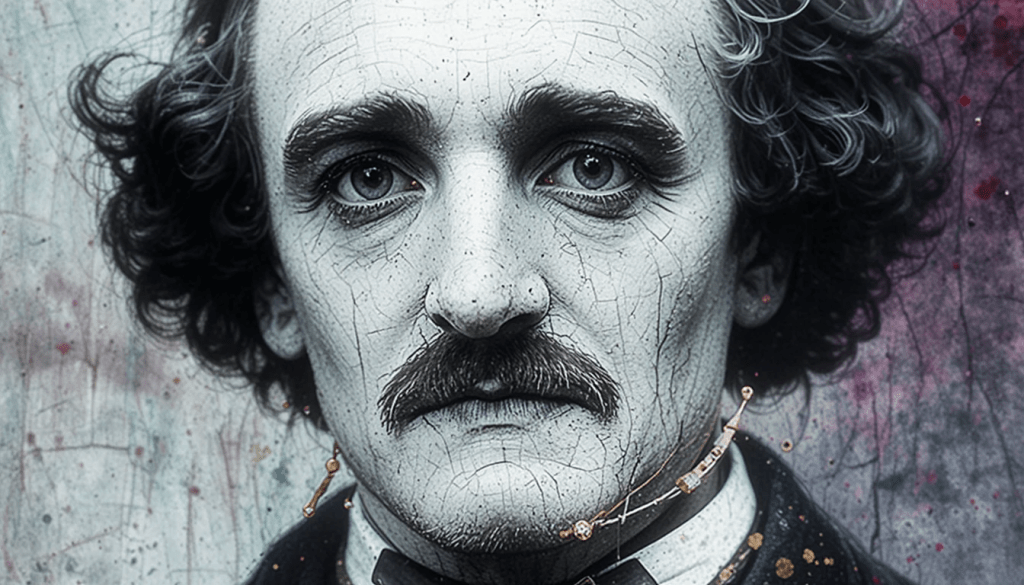
Edgar Allan Poe: The man who gave the macabre a voice and the mysterious a home in English literature.
Originally published on January 19, 2025, on The-English-Nook.com.
 What Happened on This Day?
Leave a comment