
January 25, 1759
Robert Burns and the Global Legacy of Scotland’s Bard
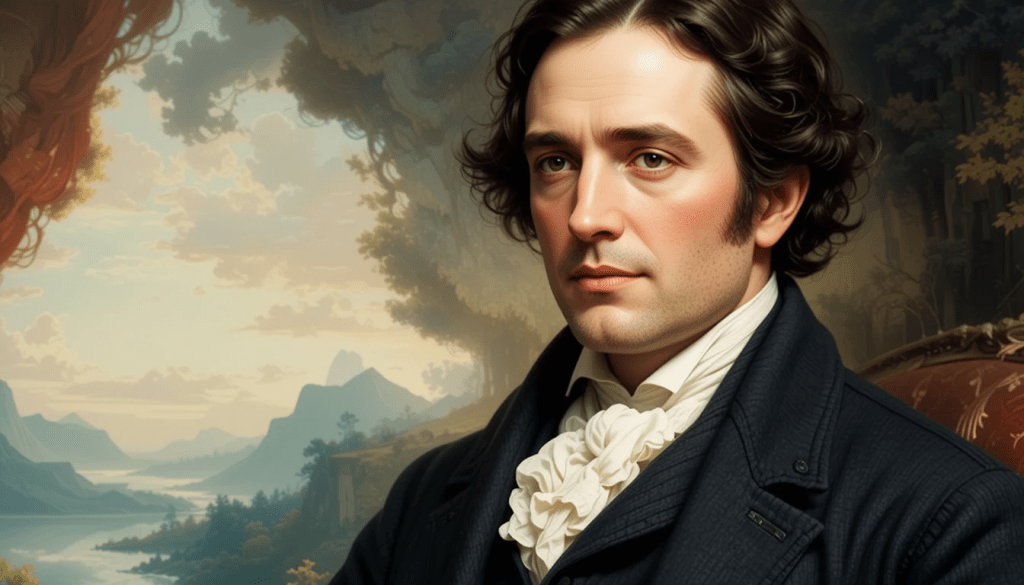
On January 25, 1759, Robert Burns, Scotland’s national poet and one of the most celebrated literary figures in history, was born in Alloway, Ayrshire. Often referred to as the “Bard of Scotland,” Burns elevated the Scots language to international prominence through his poetry and songs. His works not only immortalized the culture, landscapes, and struggles of 18th-century Scotland but also left an indelible mark on English literature and the global lexicon. Burns’ linguistic legacy continues to thrive, particularly through the enduring tradition of Burns Night, celebrated worldwide.
A Champion of the Scots Language
Burns wrote extensively in Scots, a distinct branch of the Germanic languages closely related to English. At a time when Scots was often marginalized, his poetry gave it new life, showcasing its lyrical richness, humor, and emotional depth. Works like To a Mouse, Tam o’ Shanter, and A Red, Red Rose celebrated ordinary people, rural life, and universal themes, blending Scots dialect with English to create a style that resonated widely.
Linguistic Contributions to English and Global Culture
Scots Words and Phrases in English
Burns’ use of Scots words and phrases introduced a unique flavor to English literature and song:
- Auld Lang Syne: The title of his iconic New Year’s song, meaning “old long since” or “times gone by,” has become a global anthem for farewells and new beginnings.
- Wee: A Scots word meaning “small,” popularized through Burns’ poetry, remains widely recognized and used in English today.
- Bonnie: Meaning “pretty” or “beautiful,” this term entered broader English usage thanks to its frequent appearance in Scottish ballads and Burns’ works.
- Bairn: A Scots term for “child,” it gained wider recognition through Burns’ verses and its continued use in Scottish culture.
- Canny: Originally Scots for “careful” or “shrewd,” the word became a charming addition to English vocabulary.
Iconic Phrases and Themes
- “The best-laid schemes o’ mice an’ men”: This line from To a Mouse encapsulates the unpredictability of life and inspired John Steinbeck’s novel Of Mice and Men.
- “Man’s inhumanity to man”: Burns coined this enduring phrase in his poem Man Was Made to Mourn, which is frequently quoted to reflect on social injustice.
Burns Night: A Global Celebration of Language and Culture
The poet’s legacy is celebrated annually on January 25, with Burns Night festivities that include poetry recitations, music, and a traditional supper of haggis, neeps, and tatties. These gatherings honor not only Burns’ works but also the Scots language, ensuring its survival and appreciation across generations. His songs, often accompanied by bagpipes, have reinforced Scotland’s cultural identity and brought its linguistic heritage to audiences worldwide.
Burns’ Influence on English Literature and Song
Elevating Scottish Identity in English Literature
Burns’ blending of Scots and English created a bridge between two linguistic traditions, enriching English literature with the cadence and character of Scottish culture. His exploration of universal themes such as love, equality, and nature resonated far beyond Scotland’s borders.
Impact on Music and Popular Culture
Burns’ poetry has inspired countless musicians and artists, with Auld Lang Syne becoming an integral part of New Year’s celebrations globally. Artists from Bob Dylan to folk singers across Europe and America have drawn inspiration from his themes of freedom, love, and the human condition.
Enduring Legacy in Language and Culture
Robert Burns’ impact on language extends beyond the introduction of Scots words and phrases into English. His works exemplify the power of poetry to preserve and elevate regional dialects, bringing them to a global stage. By celebrating the lives of ordinary people and the beauty of the Scottish countryside, Burns’ poetry remains timeless, reflecting values of community, equality, and resilience.
Robert Burns’ legacy is not merely literary but linguistic, embedding the Scots language and its expressions into the fabric of English and securing his place as a global cultural icon.
Originally published on January 25, 2025, on The-English-Nook.com.
 What Happened on This Day?
Leave a comment