
January 29, 1845
Echoes of the Macabre
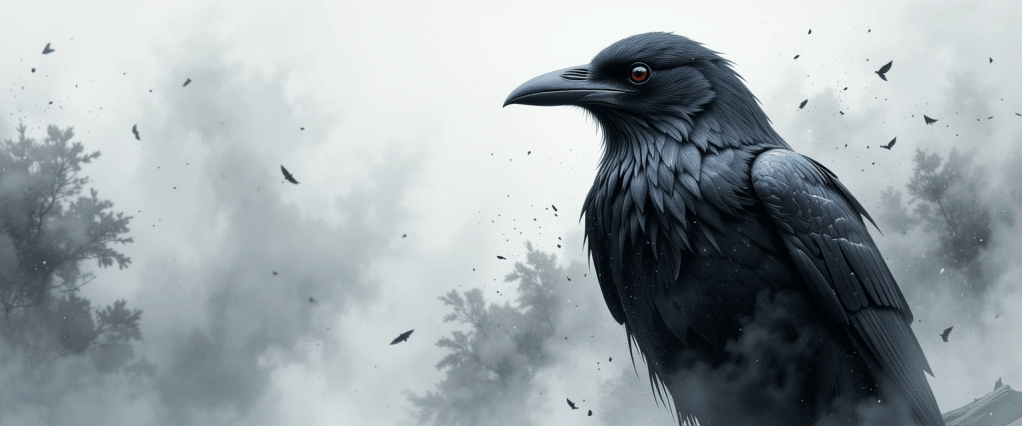
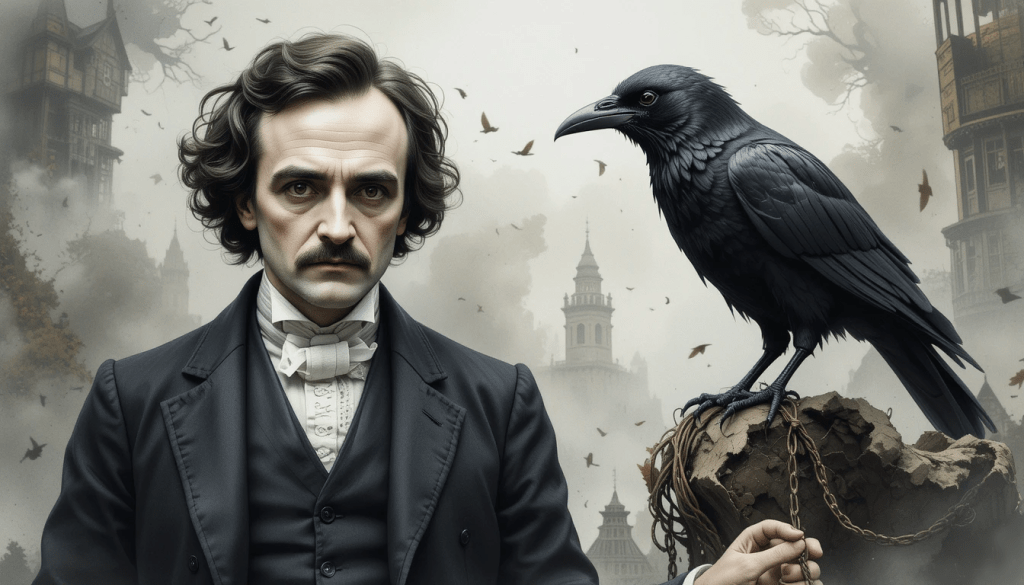
On this day, Edgar Allan Poe’s haunting masterpiece The Raven was first published in the Evening Mirror, capturing the imagination of readers and securing Poe’s legacy as one of the most influential writers in American literature. The poem’s hypnotic rhythm, melancholic themes, and masterful use of language established it as a cornerstone of Gothic poetry and set a new standard for dark, atmospheric storytelling. The Raven was an instant sensation, praised for its musicality, psychological depth, and ability to evoke an overwhelming sense of sorrow and despair.
Beyond its immediate literary impact, The Raven introduced and popularized words, phrases, and stylistic elements that continue to shape the English language, particularly in the realms of Gothic fiction, horror, and the macabre. Poe’s work not only deepened the vocabulary of melancholy and mystery but also influenced how writers and speakers articulate themes of loss, fate, and the supernatural. His brooding, introspective style helped define the language of the eerie and the uncanny, embedding his unique expressions into the cultural and literary lexicon.
Expanding the Vocabulary of the Macabre and Melancholic
Poe’s literary genius lies in his ability to manipulate language to create an atmosphere of doom, longing, and creeping dread. His use of repetition, sonorous phrasing, and evocative imagery contributed to the enduring power of The Raven and enriched the vocabulary of Gothic and supernatural literature.
- “Nevermore” – More than a simple refrain, this word became a symbol of irrevocable loss, despair, and fatalistic resignation. It has since been used in countless contexts to signify the inescapability of fate and the permanence of grief.
- “Quoth the Raven” – This poetic inversion of word order enhances the eerie, archaic quality of the poem and has since been referenced in literature, music, and pop culture as an allusion to Poe’s work.
- “Lenore” – The spectral presence of the lost beloved in The Raven gave this name an enduring association with themes of tragic love, mourning, and ethereal beauty. It appears in later Gothic and supernatural fiction as a nod to Poe’s vision of doomed romance.
- “Midnight dreary” – This phrase, from the poem’s first line, has come to evoke a scene of desolation and restless sorrow, reinforcing the connection between darkness and psychological torment.
- “Ghastly” and “grim” – Though not coined by Poe, his distinctive use of these words in The Raven cemented their place in Gothic literature, intensifying their associations with haunting imagery, spectral apparitions, and ominous foreboding.
- “Pondered, weak and weary” – This opening phrase introduced a cadence of exhaustion and existential weariness that continues to resonate in discussions of emotional distress and philosophical introspection.
- “Bleak December” – A vivid descriptor of the cold, lifeless atmosphere in the poem, this phrase has since been adopted metaphorically to convey despair, loneliness, and the passage of time steeped in sorrow.
- “Plutonian shore” – An allusion to Pluto, the Roman god of the underworld, this phrase imbued the poem with a cosmic sense of death and the afterlife. It has since been used to evoke the boundary between the living and the dead in literature and media.
Phrases and Literary Concepts Popularized by The Raven
Poe’s intricate and emotionally charged language helped shape how we express sorrow, mystery, and existential dread. His influence extends beyond individual words, introducing enduring literary concepts and expressions.
- “Mournful and never-ending remembrance” – A phrase that encapsulates the theme of lingering grief, this line has since been used in discussions of eternal sorrow and the burden of memory.
- “Chamber of the soul” – Poe’s description of the narrator’s room in The Raven can be interpreted metaphorically as the mind itself, emphasizing the theme of psychological entrapment. This idea has influenced later explorations of internal conflict in Gothic and psychological fiction.
- “Eldritch” – While the term predates Poe, his use of similar eerie, archaic language reinforced its presence in supernatural literature, later influencing writers like H.P. Lovecraft.
- “Shadow-casting doubt” – The interplay of light and darkness in The Raven serves as a metaphor for uncertainty and creeping existential terror, shaping future depictions of paranoia and fear in literature.
- “Dark Romanticism” – Poe’s work, including The Raven, helped define this literary movement, which explores human fallibility, the grotesque, and the mysterious forces that govern existence.
Shaping the Language of Gothic, Horror, and Psychological Literature
Poe’s mastery of language and sound has left a lasting impact on how English speakers and writers construct narratives of suspense, horror, and the uncanny. His influence is evident in the vocabulary of modern horror fiction, psychological thrillers, and Gothic poetry.
- “The uncanny” – Poe’s emphasis on the blurred line between reality and the supernatural contributed to this concept, which describes an unsettling familiarity in the unknown.
- “Rapping at my chamber door” – The rhythmic tapping in The Raven symbolizes the intrusion of fate, death, and the supernatural into ordinary life. This motif has since been used in horror literature and film to create a sense of impending doom.
- “Dread and despair” – Frequently appearing in Poe’s works, these words remain central to the language of Gothic fiction, describing deep-seated existential fears.
- “Unreliable narrator” – Although not a phrase coined by Poe, his works, including The Raven, perfected this technique, shaping how later writers use first-person narration to create suspense and ambiguity.
- “Melancholy beauty” – Poe’s lyrical descriptions of grief and lost love helped define this aesthetic, influencing later works that explore the allure of sadness.
Cultural and Linguistic Legacy of The Raven
The publication of The Raven marked a turning point in literary history, establishing Edgar Allan Poe as a master of dark, evocative storytelling and expanding the vocabulary of mystery, horror, and psychological depth. The poem’s hypnotic cadences, haunting imagery, and chilling refrain have inspired countless adaptations, from literature and film to music and art.
Poe’s influence extends beyond Gothic fiction; his stylistic innovations in sound, rhythm, and mood have shaped modern poetry, psychological horror, and even popular music. The Raven continues to be referenced in everything from classic literature to contemporary media, ensuring that its language remains alive in the collective imagination.
From the echoes of Nevermore to the spectral presence of Lenore, The Raven endures as a linguistic and cultural phenomenon, proving that words, when woven with brilliance and emotion, can transcend time. Through its eerie refrain and melancholic beauty, the poem continues to cast its shadow over English literature, forever shaping how we articulate the inexpressible depths of grief, fate, and the unknown.
Extract of The Raven:
Click on it to read the full poem on The English Nook.
From Nevermore to Lenore, The Raven still echoes through time, shaping the language of the eerie and the unknown!
Originally published on January 29, 2025, on The-English-Nook.com.
 What Happened on This Day?
Leave a comment