
July 7, 2005
London Transit Bombings (“7/7”)
A Dark Day That Shaped the English of Terror, Resilience, and Urban Security
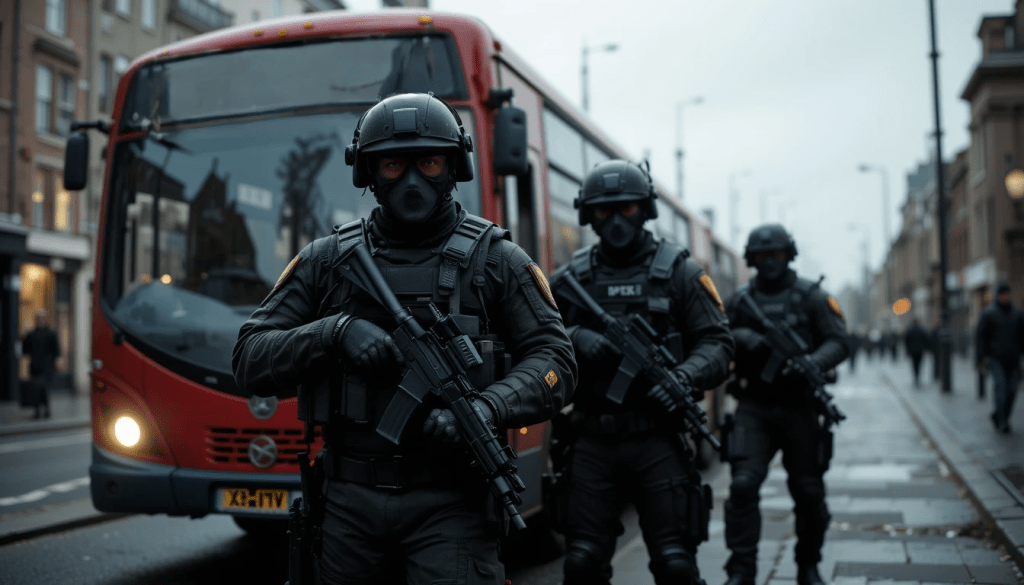
On July 7, 2005, a series of coordinated suicide bombings struck London’s public transport system during the morning rush hour. Fifty-two civilians were killed and over 700 injured in attacks targeting three London Underground trains and a double-decker bus.
The event—swiftly termed “7/7” in the press—immediately entered the lexicon of terrorism and public trauma in English, standing as the UK’s most devastating terror attack since the 1988 Lockerbie bombing.
Language of Terror and Response
Like “9/11” before it, “7/7” quickly became shorthand in English-language media for urban terrorism and post-9/11 vulnerabilities in global cities.
Phrases such as:
- “suicide bombers”,
- “terrorism in transit”,
- “Islamist extremism”,
- “mass-casualty attack”, and
- “homegrown terrorism”
became staples of English political analysis, security discourse, and journalism. “7/7” also reinforced a trend of date-based shorthand for traumatic public events.
“London Resilience”: A Rhetorical Frame
Government officials, citizens, and media outlets helped solidify the phrase “London resilience” to describe the city’s stoic and unified response:
- The phrase reflected British cultural idioms of “keeping calm under fire” and “carrying on” in adversity.
- It echoed older wartime language—like the “Blitz spirit” of WWII—now recast in modern English to describe civil solidarity in the face of terrorism.
- It helped define emergency preparedness rhetoric in English-speaking urban policy worldwide.
Transit, Fear, and Policy in Language
“7/7” redefined the way English speakers discuss public transportation and security, leading to increased visibility of terms such as:
- “transport security protocol”,
- “public vigilance”,
- “target-hardening”,
- “CCTV surveillance”, and
- “See something, say something” (borrowed from U.S. English but widely echoed in the UK after 7/7).
Cultural Echoes and Memory
In the years following the attacks, “7/7” became a linguistic touchstone in fiction, memoirs, journalism, and academic writing:
- English literature and poetry began incorporating themes of urban vulnerability, racial tension, and resilience.
- Memoirs and journalistic narratives introduced powerful personal language around grief, survivorship, and civic unity.
- The attacks sparked deeper English-language discussions of Islamophobia, multiculturalism, and security ethics.
Global Vocabulary of Urban Terror
“7/7” cemented its place in a growing global dictionary of terrorism-related terms used across English media and diplomacy:
- Alongside “Madrid 3/11” and “9/11,” it shaped how the English language handles shared trauma through datelines.
- English political discourse evolved to include concepts like “radicalization,” “prevent strategies,” and “counter-extremism”, now staples of international security policy talk.
The July 7 bombings changed more than London’s security landscape—they changed the global English vocabulary of terror, grief, and recovery. The term “7/7” now evokes not just the horror of that morning, but the linguistic resilience of a city—and a language—responding under pressure.
From Tragedy to Terminology: How “7/7” Bombed Its Way into the Language of Modern Resilience.
 What Happened on This Day?
Leave a comment