
2025 July
-

J.K. Rowling’s Harry Potter series revolutionized modern English with invented words like “Muggle,” “Hogwarts,” and “Dementor.” Her linguistic creativity shaped global pop-cultural discourse, expanded literary vocabulary, and even influenced dictionaries—embedding fantasy language into everyday English while bridging fiction, fandom, and education worldwide.
-

Otto von Bismarck’s death on July 30, 1898, left behind more than history—it shaped the English political lexicon. Terms like Realpolitik, Iron Chancellor, and Bismarckian diplomacy remain powerful phrases to describe pragmatic, forceful leadership and strategic governance. His legacy lives on not just in policy, but in language itself.
-
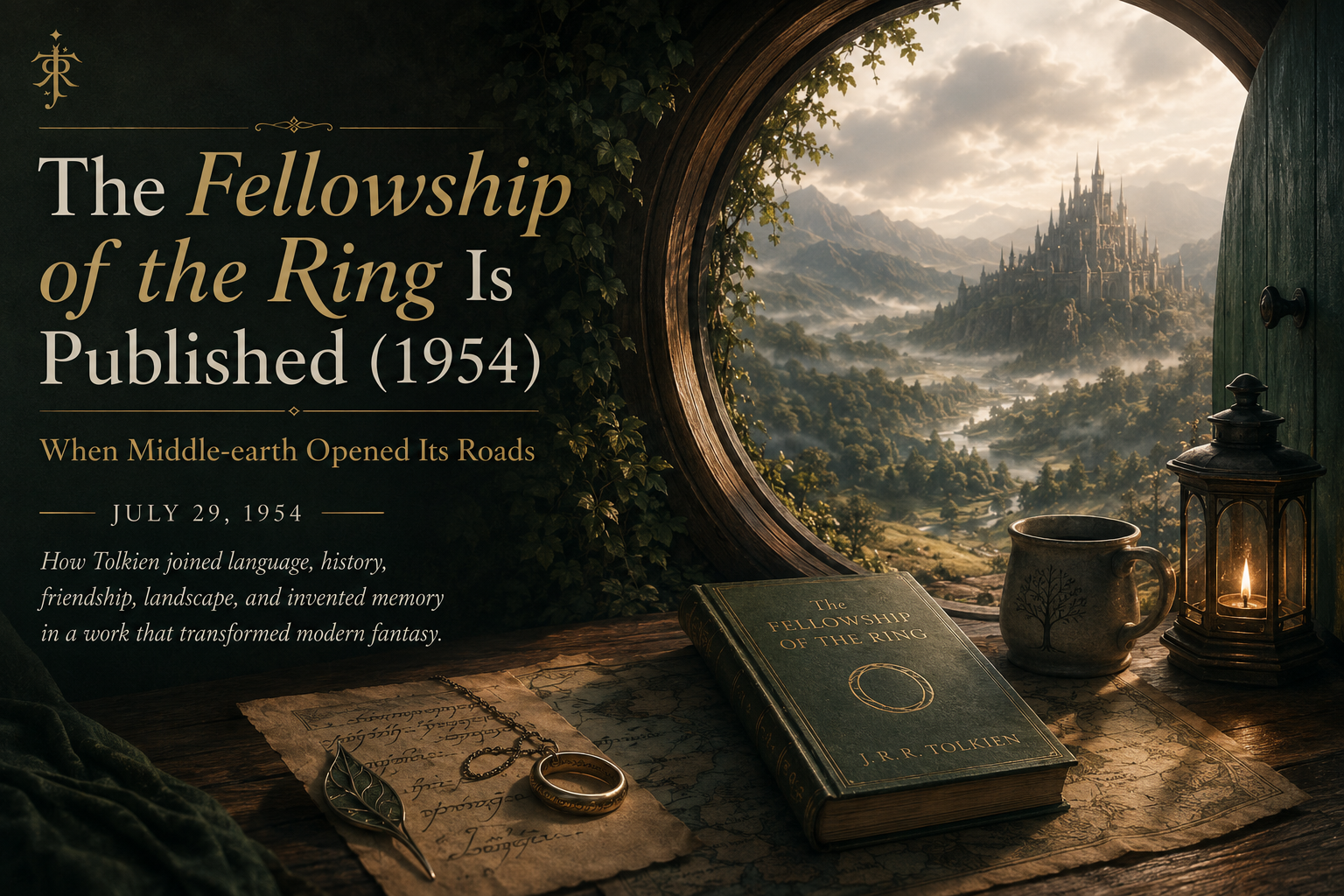
What made Middle-earth feel as though it had existed long before its readers arrived? Published on July 29, 1954, The Fellowship of the Ring joined invented language, ancient memory, changing landscapes, and fellowship across difference in a work that greatly expanded the possibilities of modern fantasy.
-
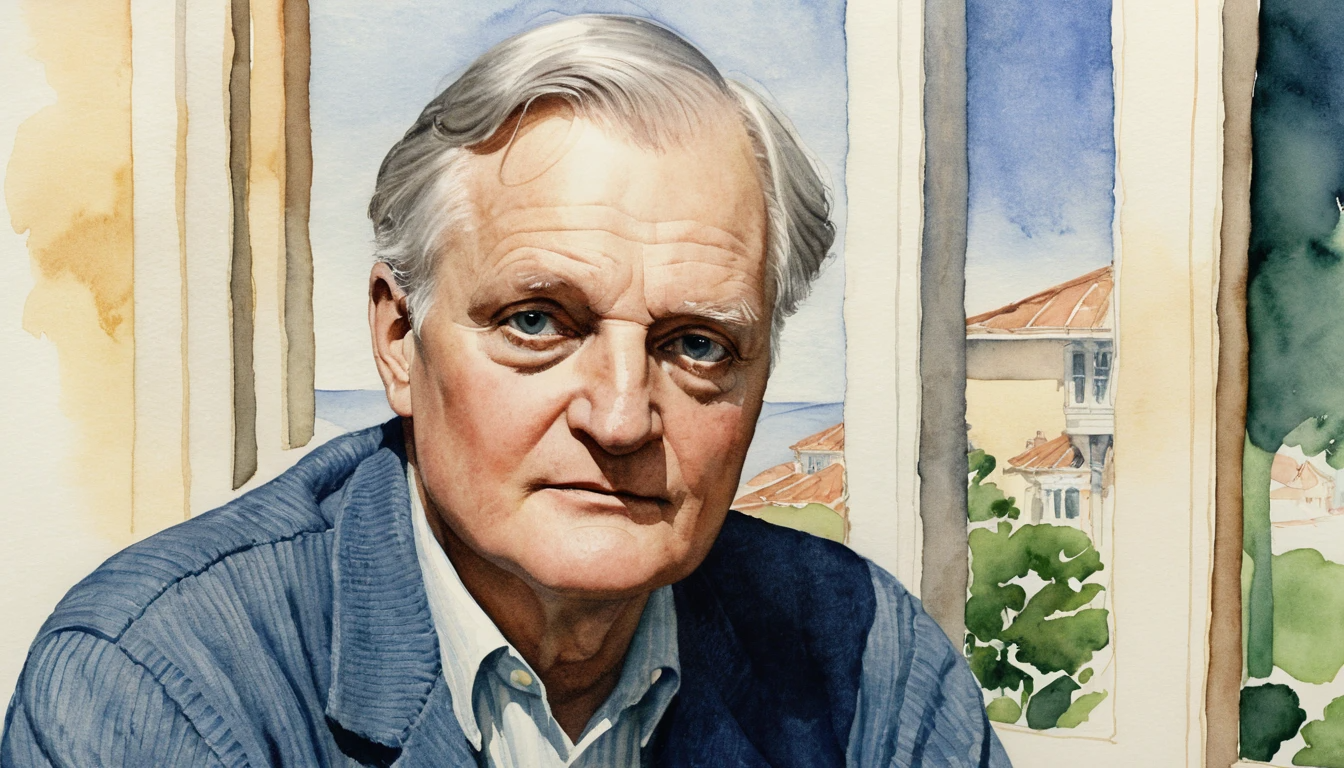
John Ashbery, born July 28, 1927, revolutionized poetic language with his elusive, collage-like style. His work reshaped English literary criticism, inspiring new terms like “Ashberian,” “disjunctive syntax,” and “postmodern lyricism.” Through ambiguity and metapoetic reflection, Ashbery didn’t just write poetry—he altered how English talks about meaning itself.
-
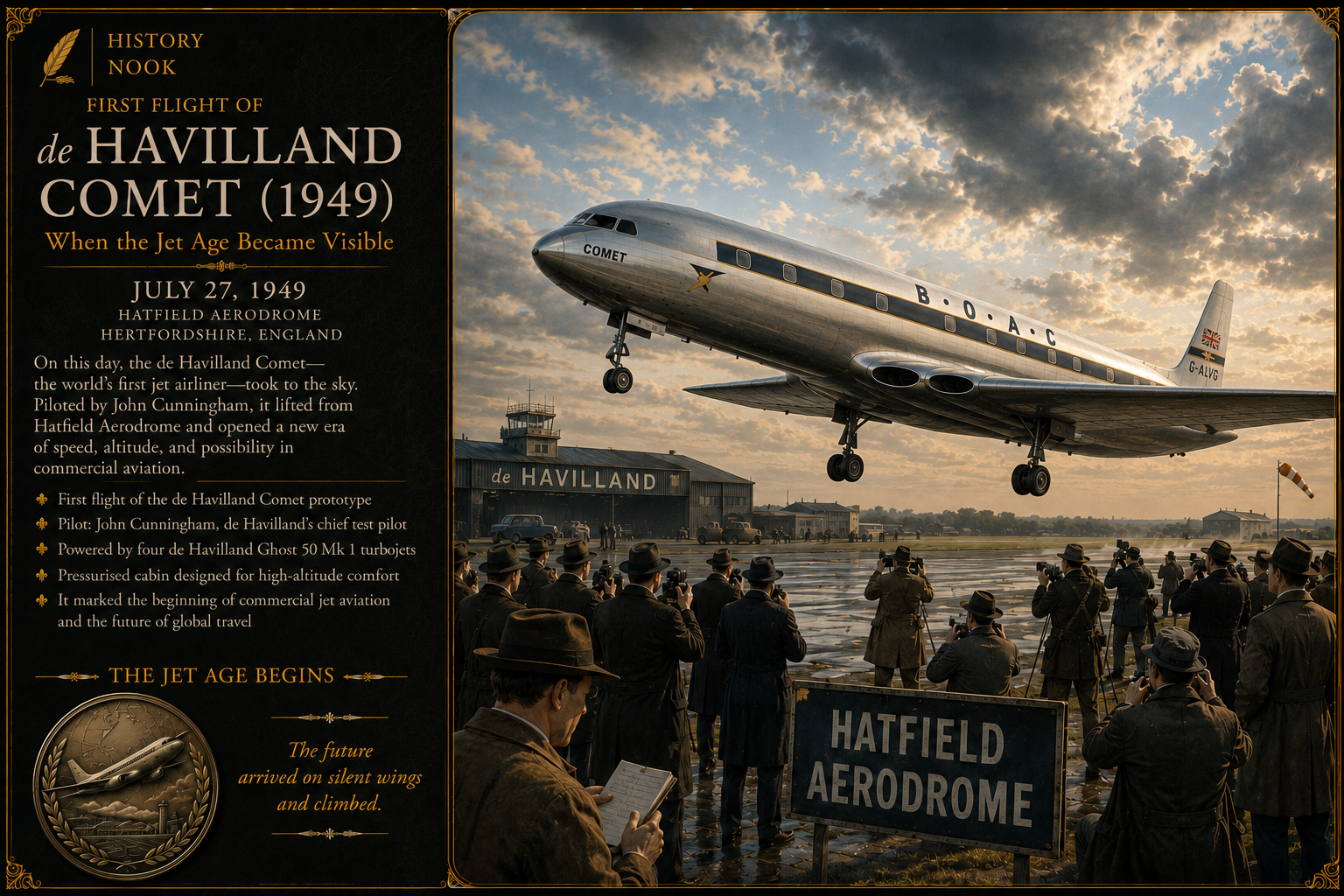
Before jet travel became ordinary, the de Havilland Comet made the future visible. Discover how its first flight helped shape the language of speed, altitude, pressurised travel, and aviation safety.
-
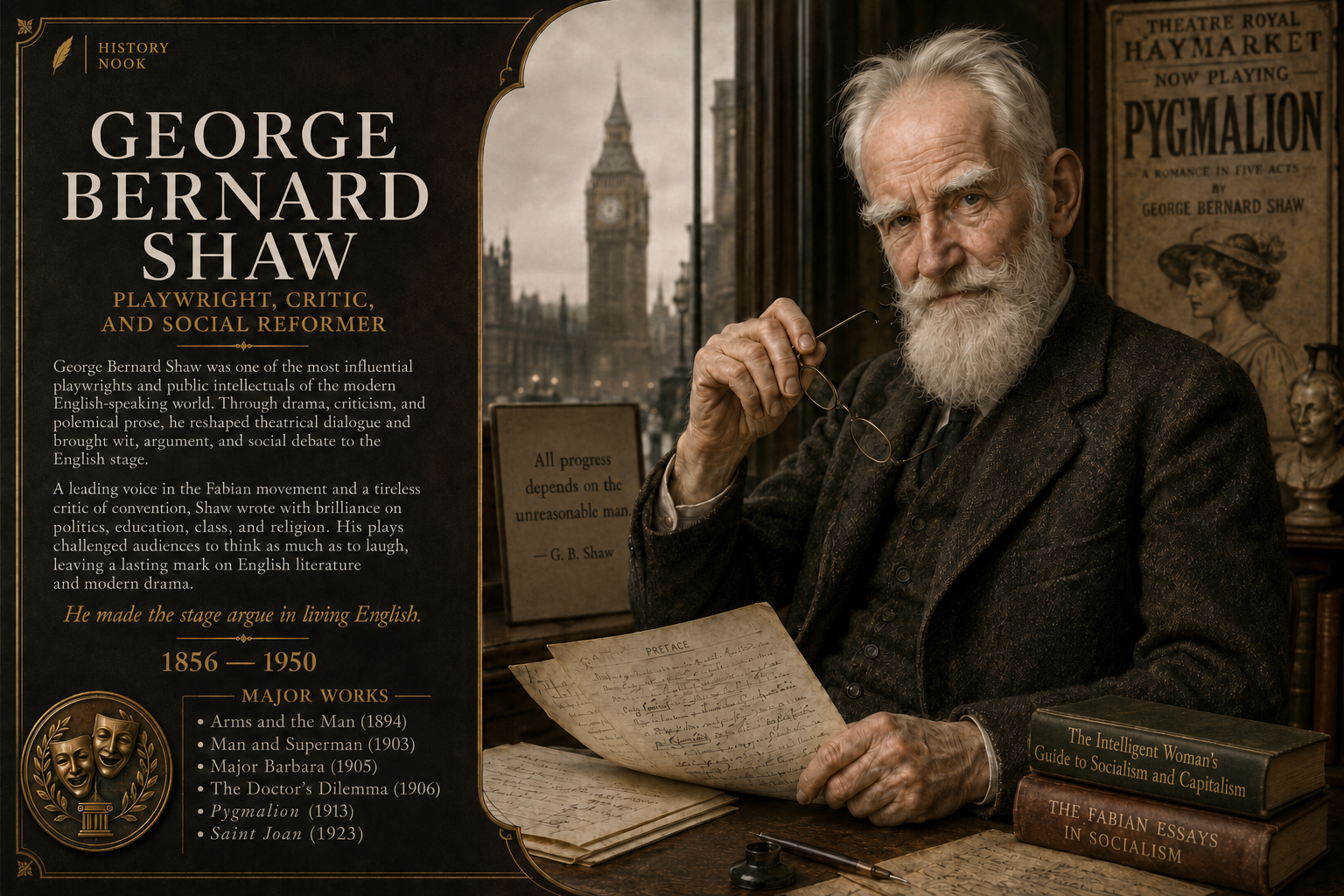
What happens when a playwright turns conversation into combat? Discover how George Bernard Shaw reshaped English dramatic dialogue, exposed the politics of accent, and made wit a weapon of modern criticism.
-
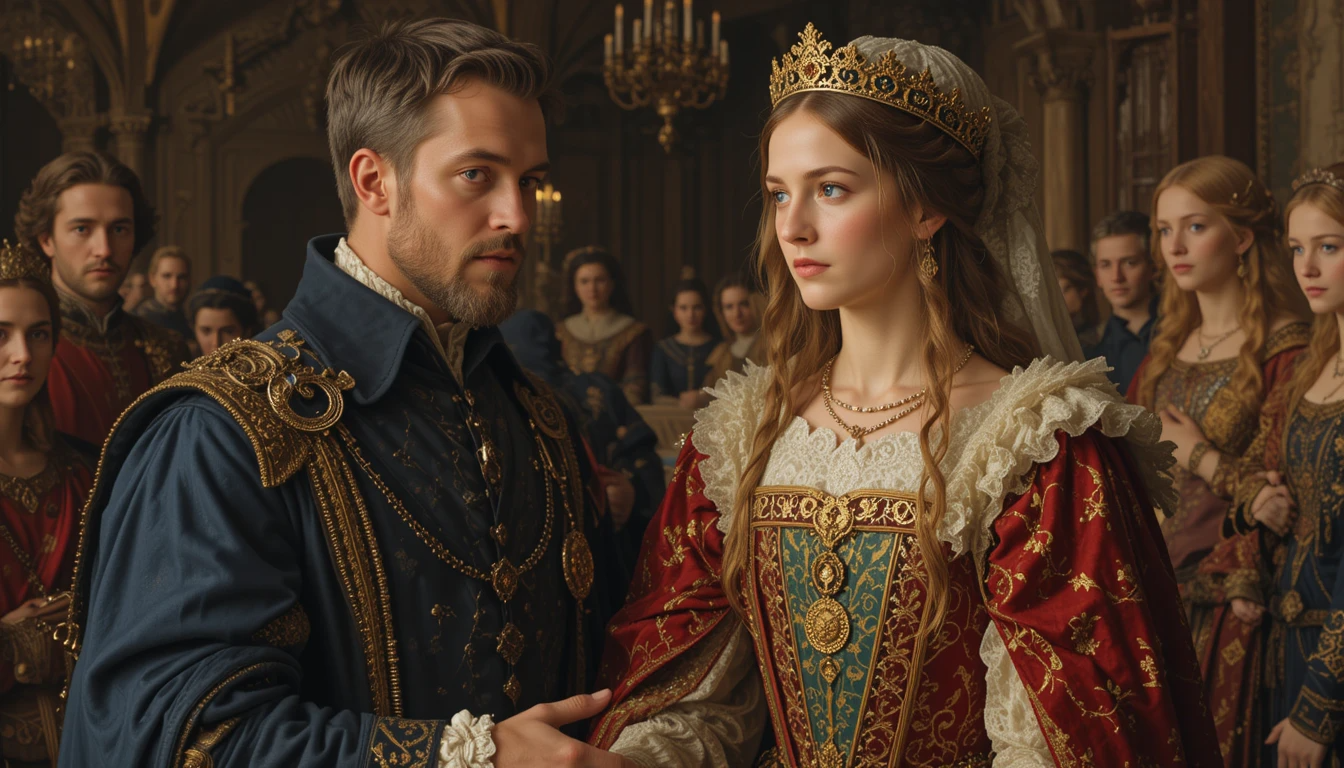
Eleanor of Aquitaine’s 1137 marriage to Louis of France was more than royal ceremony—it embedded French legal, diplomatic, and courtly vocabulary into English. Terms like dower, liege, and queen consort took root, shaping how English describes sovereignty, alliances, and noble identity across centuries of evolving law and literature.
-
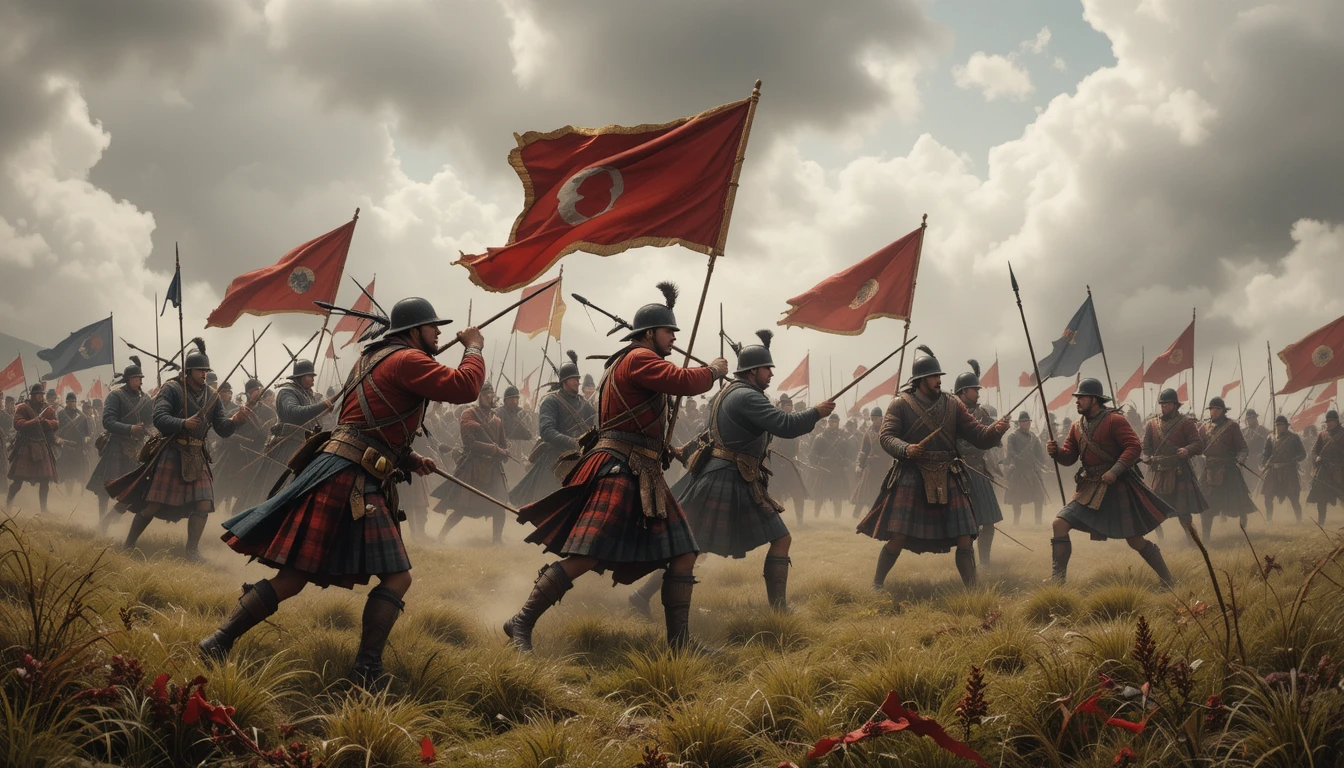
The Battle of Harlaw shaped more than Scottish history—it carved powerful terms into the English lexicon. Words like “Bloody Harlaw,” “clan warfare,” and “Highlander vs. Lowlander” echo centuries later, evoking cultural tension, identity, and valor. Through ballads and chronicles, language absorbed the memory of this fierce and symbolic conflict.
-
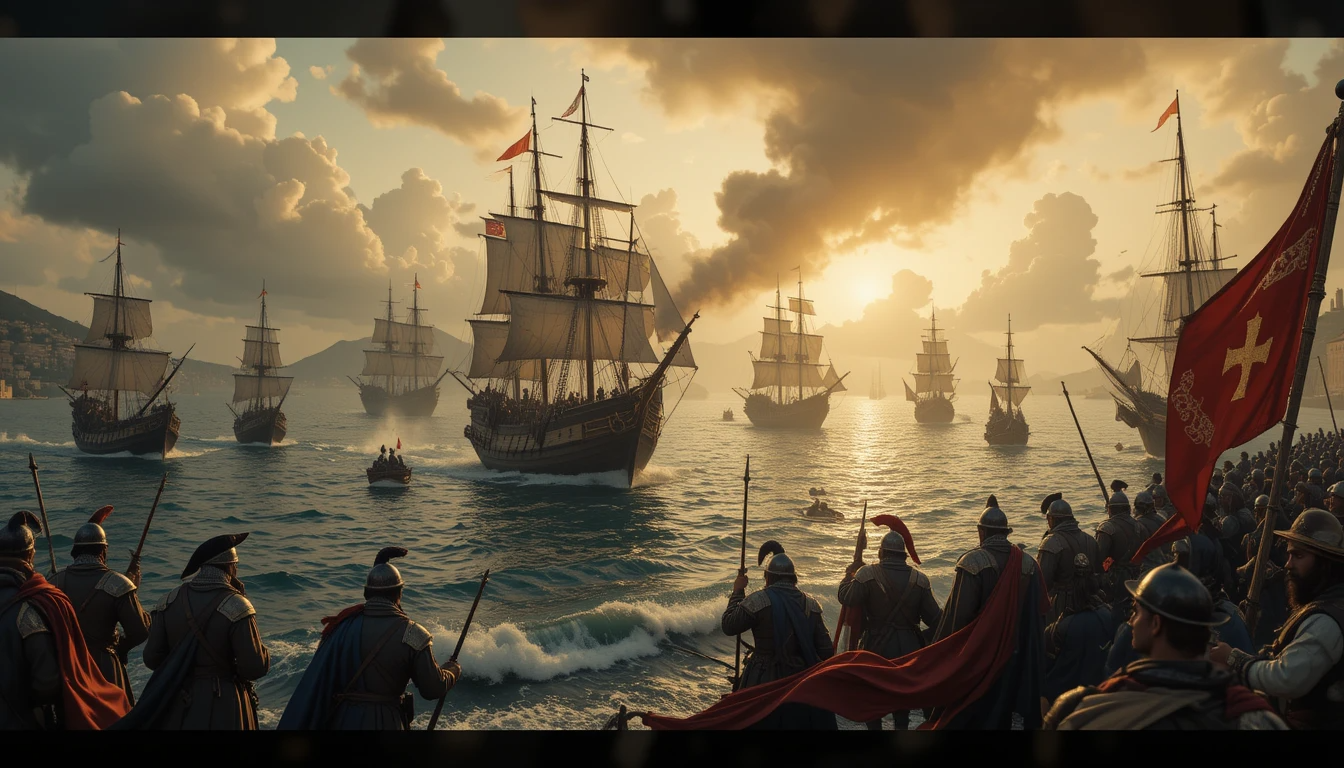
The 1319 naval victory at Chios by the Knights Hospitaller embedded enduring maritime and religious-military terms in English. Phrases like “naval chivalry” and “Aegean campaigns” emerged, shaping how English historiography frames Christian sea power, medieval conflict, and the ethical codes of seaborne warfare.
-
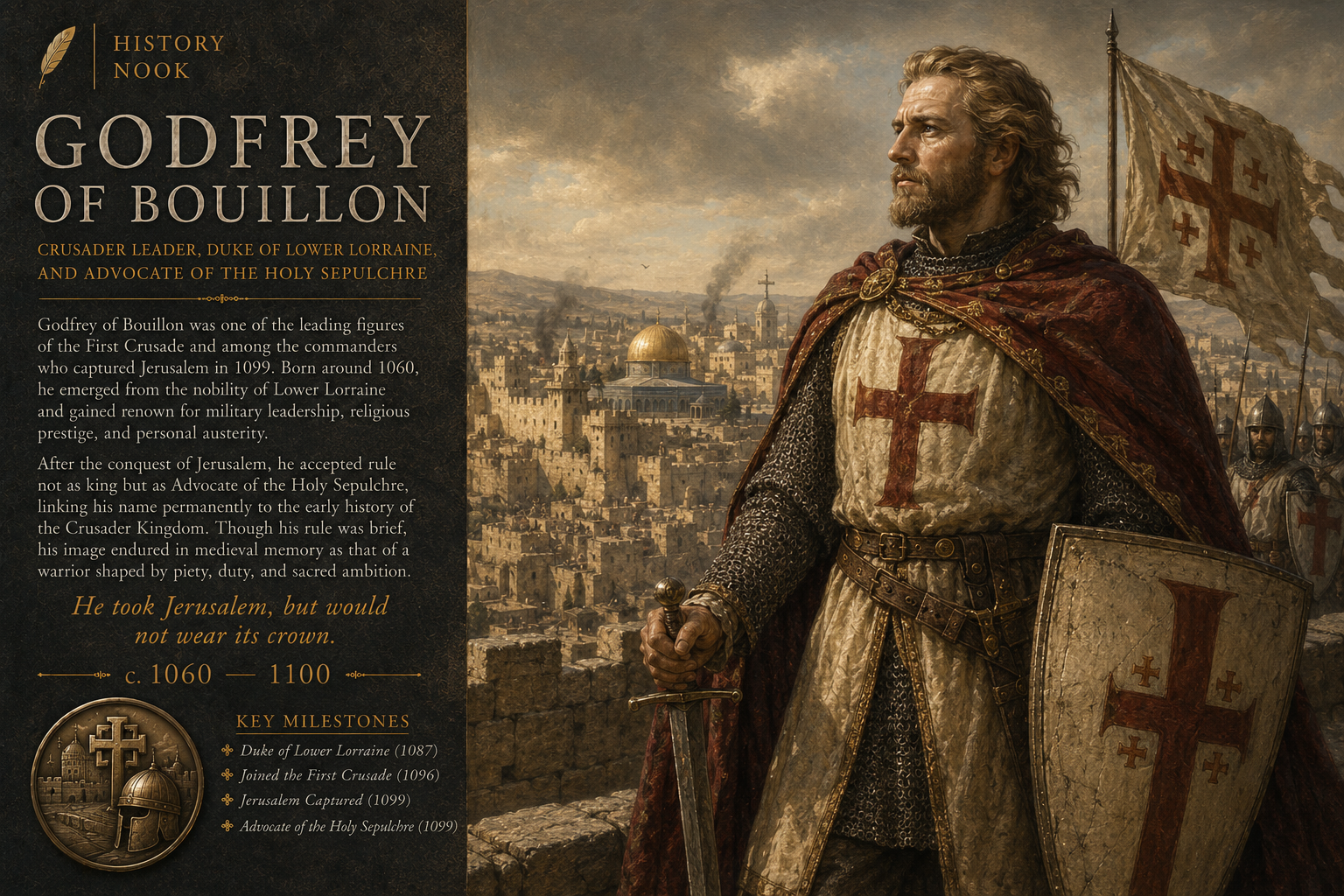
What happens when a ruler refuses a crown and chooses a sacred title instead? Discover how Godfrey of Bouillon’s association with the Holy Sepulchre shaped English Crusade history, religious language, and medieval imagination.