
On October 17, 1859
On October 17, 1859, Wilkie Collins’ The Woman in White began its serialization in Charles Dickens’ popular journal All the Year Round. This groundbreaking novel is widely considered one of the earliest examples of mystery and sensation fiction, and it laid the foundation for the detective genre that would flourish in English literature. Collins’ innovative narrative structure, along with his use of suspense, foreshadowing, and psychological complexity, transformed storytelling and influenced generations of writers who followed.
The significance of The Woman in White extends far beyond its immediate popularity. Collins’ work shaped the development of detective fiction, a genre that continues to be a vital part of English literature. The techniques and vocabulary Collins introduced—such as unreliable narrators, intricate plots, and the gradual revelation of secrets—have become hallmarks of mystery writing, enriching both the language and literary tradition.
The Woman in White: A Pioneer in Sensation Fiction
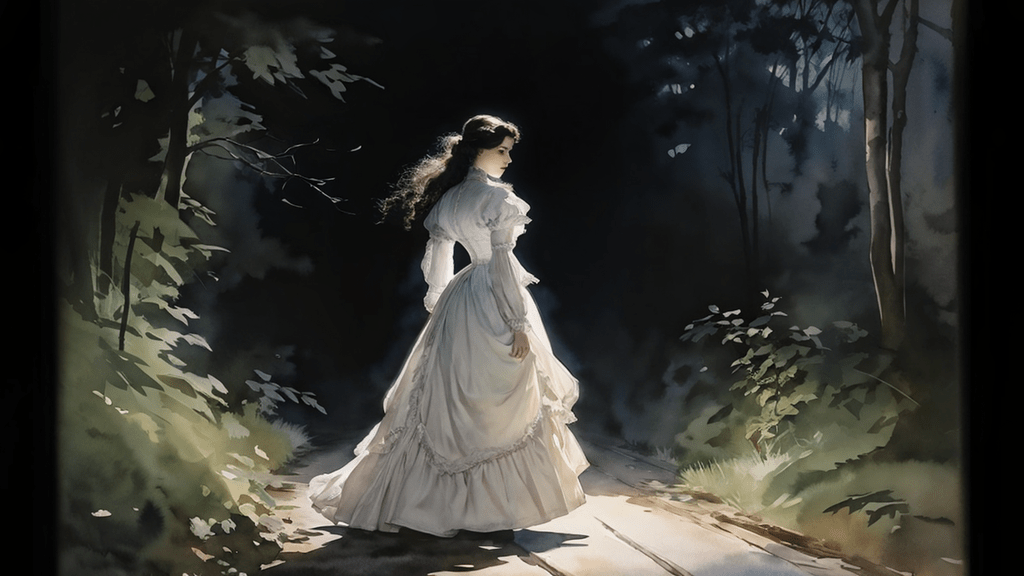
When The Woman in White first appeared, it captivated Victorian readers with its thrilling plot, featuring a young woman’s plight against deceit and a complex conspiracy. The story centers on Walter Hartright, a drawing teacher, who encounters a mysterious woman dressed in white late at night. As the plot unfolds, Hartright becomes entangled in a dark web of identity theft, imprisonment, and injustice, ultimately striving to uncover the truth about the enigmatic woman in white and her connection to the sinister Sir Percival Glyde and Count Fosco.
Collins’ blending of elements from Gothic fiction, crime, and romance created a new literary form known as “sensation fiction.” These novels emphasized dramatic, high-stakes conflicts and often revolved around secrets, crimes, and shocking discoveries. In The Woman in White, Collins introduced psychological tension, mystery, and legal intrigue, setting the stage for the modern detective novel and leaving an indelible mark on the mystery genre.
The Influence on Detective Fiction
While The Woman in White does not feature a professional detective as its protagonist, it laid the groundwork for the genre by emphasizing investigation, suspense, and puzzle-solving. Collins’ method of slowly unraveling the plot through multiple narrators, letters, and documents allowed readers to experience the process of piecing together the mystery. This technique became a staple of detective fiction, where clues and red herrings are often carefully constructed to challenge the reader’s own sleuthing abilities.
Collins’ influence on detective fiction was profound, inspiring later writers like Arthur Conan Doyle, who created Sherlock Holmes, and Agatha Christie, whose intricate plots and attention to detail helped define the genre. Collins’ portrayal of eccentric characters, like the cunning Count Fosco, anticipated the development of memorable villains in later detective novels. The novel’s atmosphere of suspense and impending danger also became a defining feature of detective and mystery stories, contributing to the genre’s lasting appeal.
Narrative Innovation: Multiple Perspectives and Unreliable Narrators
One of the most innovative aspects of The Woman in White is its use of multiple narrators and perspectives to tell the story. Rather than presenting the narrative from a single point of view, Collins alternates between characters, including the protagonist Walter Hartright, the resourceful Marian Halcombe, and the villainous Count Fosco. This multi-narrator approach not only provides different angles on the mystery but also creates a sense of uncertainty and tension as each character reveals fragments of the truth.
Collins also introduced the concept of the unreliable narrator—a figure whose account may be distorted by personal bias, incomplete knowledge, or deliberate deception. This narrative technique became a key tool in mystery and detective fiction, where the reliability of witnesses and narrators is often questioned. The suspense generated by conflicting accounts or deliberately misleading characters helped establish the psychological complexity that defines many modern thrillers.
Enriching English Literature: Vocabulary and Techniques
The Woman in White contributed to the development of a vocabulary associated with mystery and detective fiction. Words and phrases like “clue,” “suspect,” “alibi,” and “red herring” became integral to the language of crime and investigation, shaping the way such narratives were told. Collins’ careful attention to detail, his method of slowly building suspense, and his use of foreshadowing became standard techniques for writers of mystery novels and detective stories.
Collins’ use of serialized publication also had an important impact on the way stories were told in the 19th century. The novel’s installment-based structure kept readers on edge, eagerly awaiting each new chapter. This form of serialized suspense helped to create the “cliffhanger” as a narrative device, which remains a staple of mystery and thriller writing today.
The influence of Collins’ writing can also be seen in the way English literature has approached psychological realism and moral ambiguity. The complex motivations of characters like Sir Percival Glyde and Count Fosco, who are not simply “evil” but driven by personal desires and moral failures, brought a new depth to literary villains. The gradual uncovering of hidden motivations, lies, and secrets in The Woman in White would inspire countless future works that explore the darker aspects of human nature.
The Lasting Legacy of The Woman in White
Wilkie Collins’ The Woman in White continues to be celebrated as one of the first great mystery novels, and its influence on English literature is undeniable. It introduced key elements of what would become the detective fiction genre—complex plots, suspense, legal intrigue, and psychological tension—that are still vital to the genre today.
The novel’s structure, with its emphasis on uncovering hidden truths and its use of multiple perspectives, remains a model for writers exploring similar themes. Collins’ innovative narrative techniques, his careful crafting of suspense, and his ability to keep readers engaged from one installment to the next laid the groundwork for the evolution of serialized storytelling and the detective novel. His creation of a world filled with dark secrets, unexpected twists, and morally ambiguous characters helped to define the conventions of mystery and crime fiction, which continue to captivate readers and writers alike.
Wilkie Collins and the Evolution of the Mystery Genre
The publication of The Woman in White on October 17, 1859, marked a turning point in English literature, as Wilkie Collins introduced many of the narrative techniques and themes that would shape modern mystery and detective fiction. By blending Gothic elements with a focus on psychological complexity, legal intrigue, and suspense, Collins helped to create a new genre that continues to thrive today. His innovative use of multiple narrators and unreliable accounts has influenced countless writers, and his impact on English literature is still felt in the ongoing popularity of mystery and detective novels.
Through The Woman in White, Collins enriched the language of storytelling, providing future generations of writers with the tools to craft engaging, suspenseful, and psychologically rich narratives. The legacy of his work endures in the mystery genre’s exploration of crime, deception, and the hidden corners of human motivation, ensuring Collins’ place as one of the founding figures of detective fiction.
Originally published on October 17, 2024, on The-English-Nook.com.
 What Happened on This Day?
Leave a comment