
October 2024
-
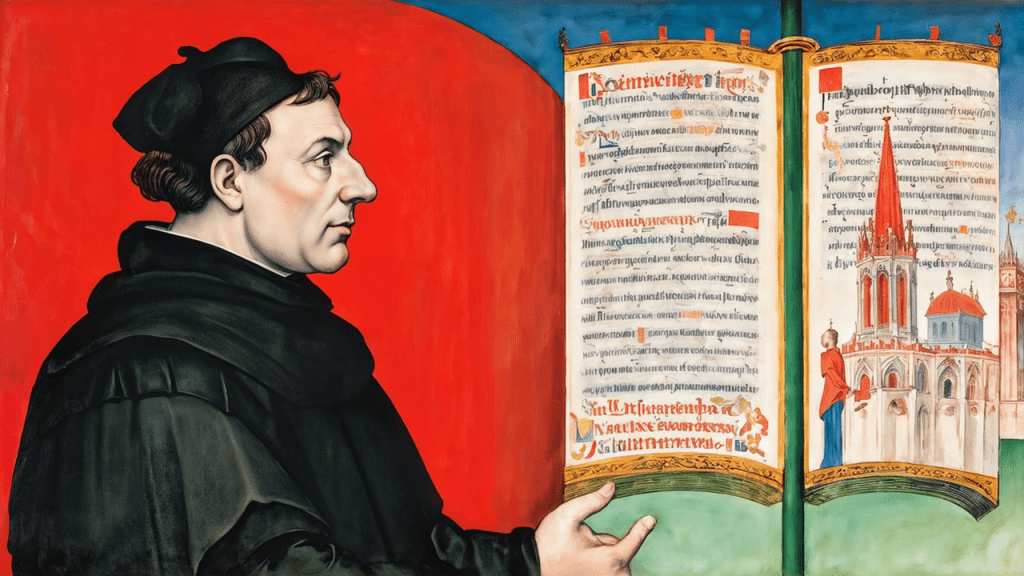
October 31, 1517 On October 31, 1517, Martin Luther’s act of reportedly nailing his Ninety-Five Theses to the door of Wittenberg Castle Church became a defining moment that catalyzed the Protestant Reformation. This event spurred extensive religious upheaval across Europe, which in turn left a significant impact on English language and religious discourse. Key terms…
-

October 30, 1938 On October 30, 1938, Orson Welles and the Mercury Theatre on the Air performed an infamous radio adaptation of H.G. Wells’ The War of the Worlds. Presented as a series of live news bulletins reporting an alien invasion, the broadcast was so realistic that many listeners believed it to be a genuine…
-

October 29, 1929 On October 29, 1929, known as “Black Tuesday,” the Wall Street Crash shattered the U.S. stock market, setting off the Great Depression—a period of profound economic hardship that reshaped global finance and everyday life. The crash introduced a powerful lexicon of economic terms into widespread use, as words like “depression,” “recession,” “bankruptcy,”…
-
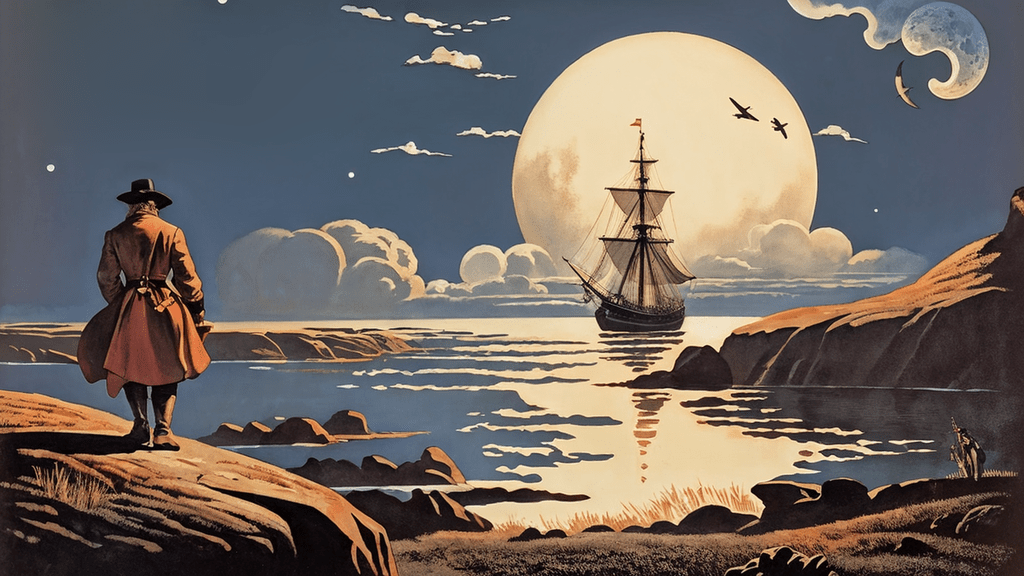
October 28, 1726 On October 28, 1726, Jonathan Swift’s Gulliver’s Travels was published, an instantly popular satirical novel that would become a cornerstone of English literature. Framed as the voyages of Lemuel Gulliver to fantastical lands inhabited by strange societies, the novel used imaginative settings and invented languages to critique human nature, government, and society.…
-
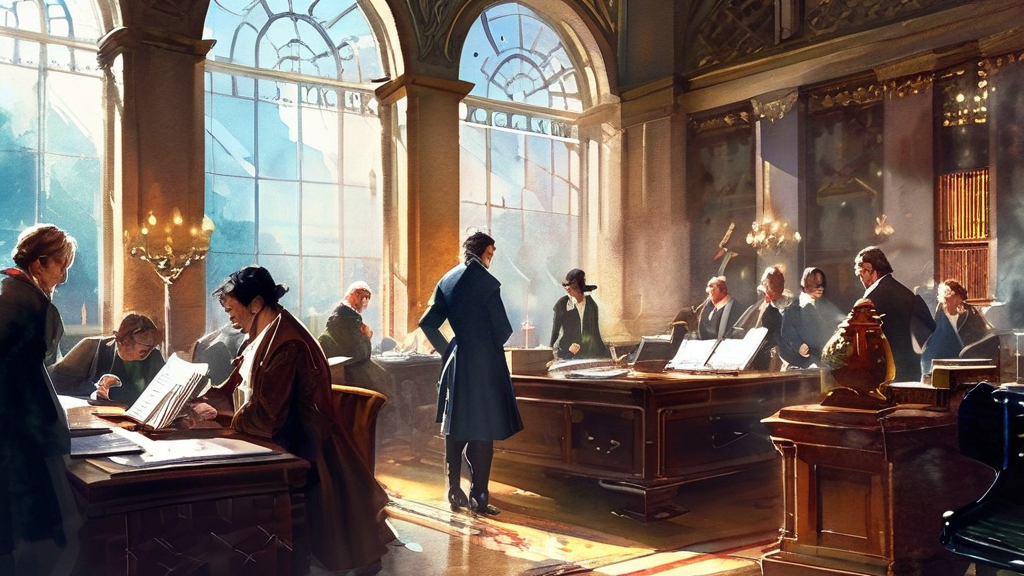
October 27, 1787 On October 27, 1787, the first of the Federalist Papers was published in The Independent Journal, marking the beginning of a series of influential essays that would shape American political philosophy and language. Written by Alexander Hamilton under the pseudonym Publius, along with contributions from James Madison and John Jay, these essays…
-
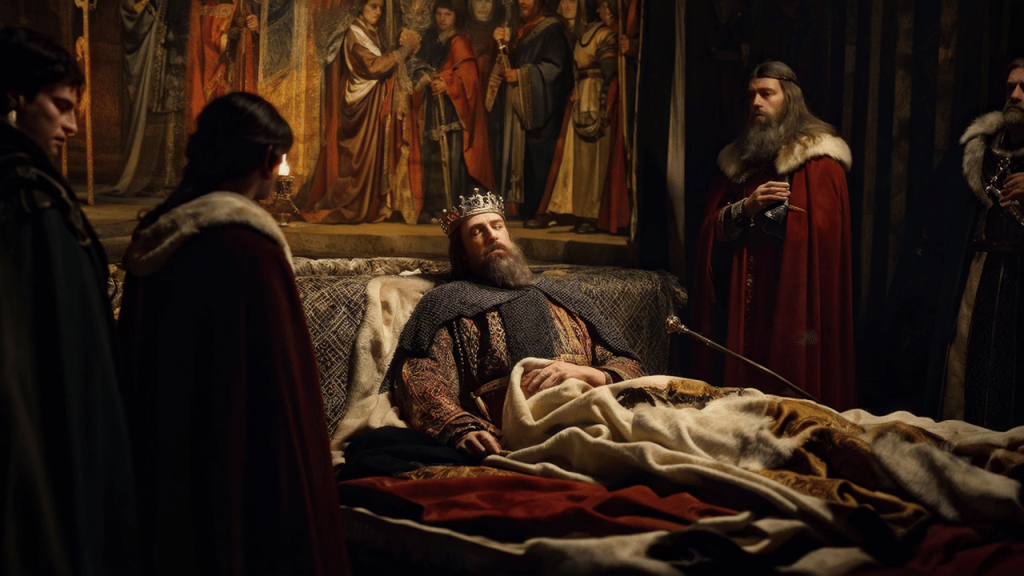
October 26, 899 On October 26, 899, King Alfred the Great of Wessex passed away, leaving a legacy as one of the most influential figures in the early development of the English language. Known as the “father of English prose,” Alfred’s reign marked a pivotal period in which Old English gained status as a language…
-
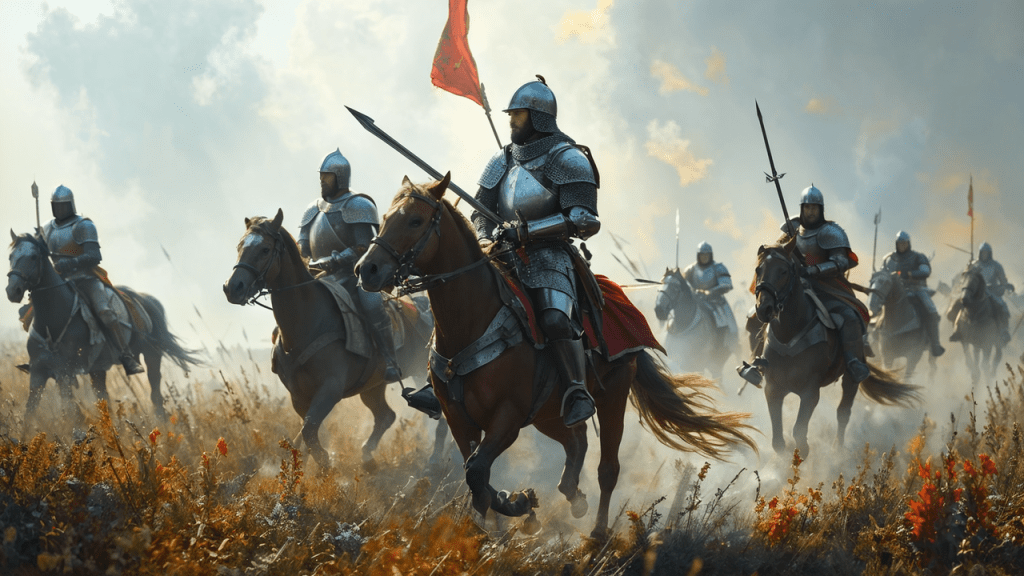
October 25, 1415 The Battle of Agincourt, fought on October 25, 1415, during the Hundred Years’ War between England and France, stands as one of the most celebrated military victories in English history. Led by King Henry V, the English forces, despite being outnumbered and weakened by disease and fatigue, triumphed against the larger French…
-

October 24, 1945 On October 24, 1945, the United Nations (UN) was officially established in the aftermath of World War II, marking a new era in global governance and international diplomacy. Its creation introduced a wealth of new terminology into the English language, reflecting the organization’s mission to promote peace, security, and cooperation among nations.…
-
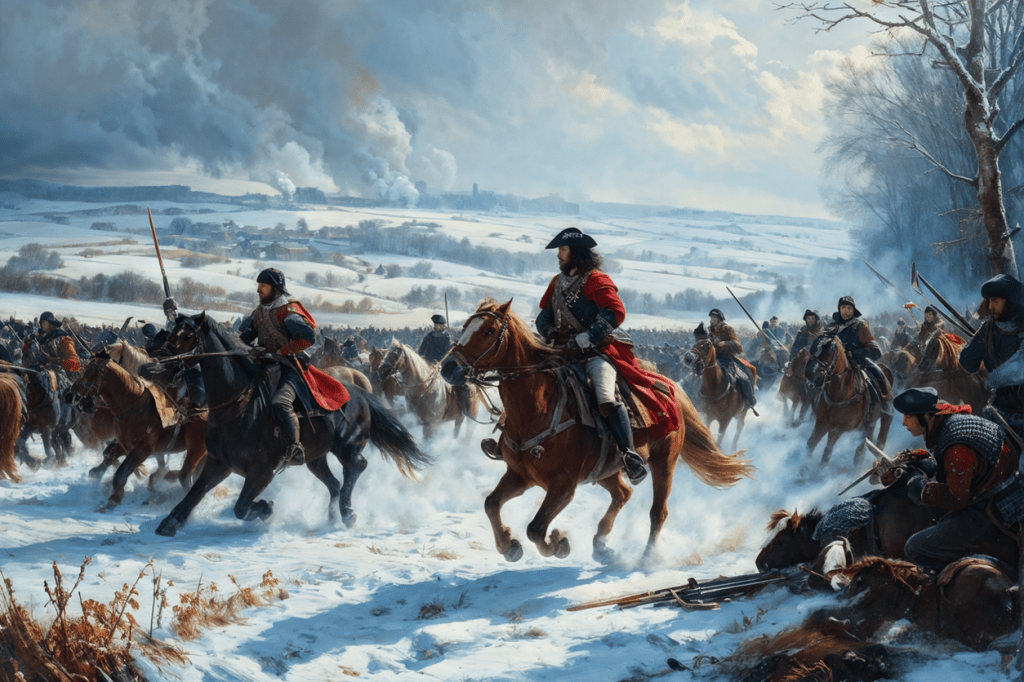
October 23, 1642 On October 23, 1642, the Battle of Edgehill marked the first significant conflict of the English Civil War, a series of battles between forces loyal to King Charles I (the Royalists) and those supporting Parliament. This war had far-reaching consequences, not only for the political landscape of England but also for the…
-

October 22, 1879 On October 22, 1879, Thomas Edison successfully tested the first practical incandescent light bulb, revolutionizing modern life and marking the beginning of an era of rapid technological advancement. This invention not only transformed the way people lived and worked by extending daylight hours with artificial light but also introduced new technical vocabulary…
 What Happened on This Day?