
October 19, 1453
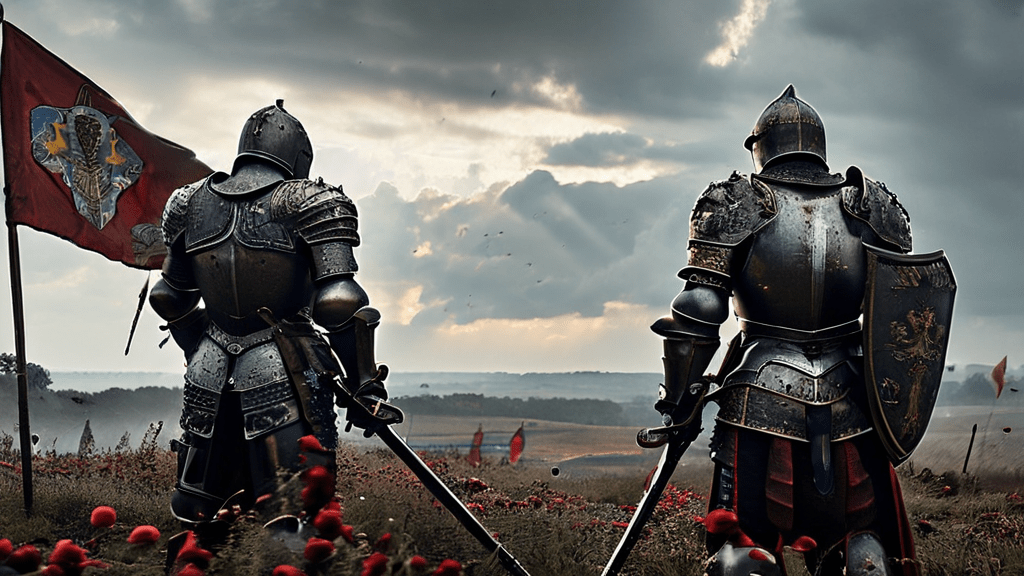
On October 19, 1453, the Battle of Castillon concluded, marking the official end of the Hundred Years’ War between England and France. This conflict, which had lasted over a century, profoundly influenced not only the political and social landscape of England but also its language. With the end of the war, England began to focus more on domestic matters, leading to the gradual decline of Norman French influence and the emergence of early modern English. The war’s conclusion played a critical role in shaping English national identity, and with it, the development of the English language.
Decline of Norman French Influence
One of the most significant linguistic consequences of the Hundred Years’ War was the gradual decline of Norman French as the dominant language of governance and the elite in England. Since the Norman Conquest in 1066, French had been the language of the English court, legal system, and aristocracy. It heavily influenced English, particularly in terms of vocabulary related to governance, law, and military matters. However, by the time the Hundred Years’ War came to a close, the centuries-long conflict with France had fueled a sense of English national pride and identity, which helped accelerate the transition away from French.
The war contributed to the weakening of Norman French’s status as a prestigious language in England. By the mid-15th century, English had already started to replace French in legal and governmental contexts. King Edward III’s decision to address Parliament in English in 1362 had signaled the growing importance of the language. By the end of the Hundred Years’ War, this shift was even more pronounced. The English nobility and ruling class, who had traditionally spoken French, began to adopt English as their primary language, leading to the rise of early modern English and the decline of French as the language of power in England.
Influence on Military and Political Vocabulary
The Hundred Years’ War also had a significant impact on English military and political vocabulary. During the war, many French military terms entered the English lexicon, particularly those related to warfare, chivalry, and diplomacy. Words such as “army,” “navy,” “siege,” “surrender,” “battle,” “guard,” and “soldier” are all of French origin and became permanent parts of English military terminology. Additionally, political terms like “sovereignty,” “allegiance,” and “ambassador” reflect the lasting influence of the Anglo-French relationship during the war.
These words not only shaped how English speakers described warfare but also reflected the political complexities of the period. The conflict with France introduced new diplomatic concepts, strategies, and structures, which required new vocabulary. The influence of French on English military and political language persisted long after the war ended, with many terms still in use today.
Rise of Early Modern English
The end of the Hundred Years’ War coincided with the broader linguistic shift from Middle English to Early Modern English. As the war ended, England turned inward, focusing on domestic issues such as political stability and economic recovery. This internal focus fostered the development of a distinctly English identity, and the language began to evolve in ways that reflected this new sense of nationhood.
During this period, the English language underwent significant changes in grammar, pronunciation, and vocabulary. The Great Vowel Shift, which began in the late 14th century, altered the pronunciation of English vowels and contributed to the transformation from Middle to Modern English. Additionally, as England distanced itself from France politically, the language absorbed fewer French loanwords, and English began to reassert itself as the primary language of governance, law, and literature.
One of the key outcomes of this period was the establishment of English as a national language, distinct from French or Latin. The emergence of English as the language of official documents and literature, as seen in the works of Geoffrey Chaucer and later William Shakespeare, helped to solidify its place as the language of the English people. This process was further cemented by the invention of the printing press in the 15th century, which standardized English spelling and grammar and made literature more accessible to the public.
Shaping English National Identity
The end of the Hundred Years’ War played a vital role in shaping English national identity, and language was a key part of this process. The conflict with France had heightened a sense of Englishness, particularly as the war dragged on and alliances shifted. The loss of most English-held territories in France, including the important region of Aquitaine, marked the end of English ambitions on the Continent and forced England to focus on its own internal affairs.
As England turned inward, English became more than just the language of the common people—it became a symbol of national unity and identity. The decline of French influence was paralleled by a rise in English patriotism, with the language serving as a unifying factor for the people. The sense of pride in being English, and in speaking English, grew during this period, further shaping the development of the language.
The end of the war also marked a turning point in how the English saw themselves in relation to France and Europe. No longer vying for control over French territories, England’s political focus shifted, and its language became a reflection of its new place in the world. This inward focus allowed for the flourishing of English literature and culture, further strengthening the connection between language and national identity.
The End of the Hundred Years’ War and the Evolution of English
The conclusion of the Hundred Years’ War on October 19, 1453, was a pivotal moment in the history of the English language. The war’s end marked the beginning of a period of linguistic transformation, as Norman French influence waned and early modern English began to take shape. The conflict had introduced new military and political vocabulary into the language, while the rise of English as the language of governance and national identity reflected a growing sense of English patriotism.
In the centuries that followed, the English language continued to evolve, but the end of the Hundred Years’ War stands out as a key turning point. It marked the decline of French as the dominant language of the ruling class and the ascendance of English as a symbol of national unity. This linguistic shift helped lay the foundation for the development of the English language as we know it today.
Originally published on October 19, 2024, on The-English-Nook.com.
 What Happened on This Day?
Leave a comment