
December 5, 1933
On December 5, 1933, the ratification of the 21st Amendment to the U.S. Constitution officially ended Prohibition, a 13-year period during which the manufacture, sale, and transportation of alcohol were banned. This landmark event not only reshaped American social and cultural life but also revitalized and expanded the English lexicon, particularly in the realms of alcohol, law, and societal norms. The repeal of Prohibition allowed for the return of a rich vocabulary that had either been suppressed or developed in the shadows during the Prohibition era.
Key Vocabulary Introduced or Popularized
The repeal of Prohibition brought several important terms back into mainstream English, while also giving rise to new ones:
Alcohol-Related Terms
- “Distillery”: A facility where alcoholic beverages like whiskey, gin, and rum are produced. With the revival of legal alcohol production, this term became common once more.
- “Cocktail”: Referring to mixed alcoholic drinks, this word saw a resurgence as bars and clubs reopened. Signature cocktails like the Martini and Manhattan became staples of social gatherings.
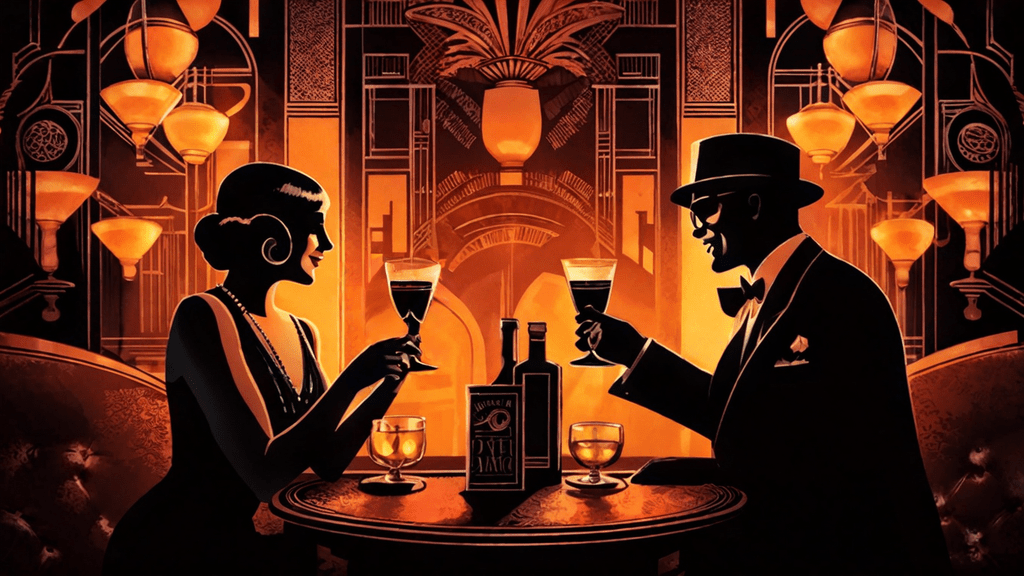
- “Speakeasy”: During Prohibition, this term described secret, illicit bars where alcohol was served. After repeal, it entered the nostalgic lexicon, evoking an era of underground nightlife.
- “Bootlegger”: Originally used to describe those who illegally manufactured or transported alcohol, this term remains in English to characterize any form of illicit trade.
- “Bar” and “Saloon”: With legal establishments reopening, these terms regained their place in everyday speech, symbolizing social hubs where people could gather and drink freely.
Legal and Social Terminology
- “Temperance”: Advocating for moderation or abstinence from alcohol, this movement had been central to the enactment of Prohibition. Post-repeal, it remained a key term in debates about personal and societal responsibility.
- “Dry laws”: Referring to local or state laws that maintained alcohol bans even after Prohibition’s repeal. These laws highlight regional differences in attitudes toward alcohol consumption.
- “Wet” vs. “Dry”: These opposing terms became shorthand for those supporting the sale of alcohol (“wet”) versus those advocating for continued prohibition (“dry”).
- “Amendment”: Specifically, the 21st Amendment, which repealed the 18th Amendment, became a touchstone in discussions about constitutional changes and individual freedoms.
Cultural and Economic Terms
- “Happy hour”: The concept of discounted drinks at specific times gained popularity as bars sought to attract patrons.
- “Prohibition era”: This phrase became a historical reference to the time from 1920 to 1933, encapsulating the cultural and political tensions of the period.
- “Moonshine”: Describing illicitly distilled spirits, often made in rural areas, this term remained a symbol of Prohibition’s legacy and ingenuity in circumventing the law.
Influence on English Language and Society
The repeal of Prohibition deeply impacted both the vocabulary of alcohol and the broader language of social regulation:
Reintegration of Alcohol Vocabulary
The repeal brought alcohol-related terms back into the mainstream. Words like “distillery” and “cocktail”, which had been forced into disuse or carried illicit connotations, regained their legitimacy, reflecting a cultural shift toward the normalization of alcohol consumption.
Evolving Legal and Political Discourse
The 21st Amendment introduced new frameworks for discussing government regulation, personal freedom, and public morality. Terms like “temperance” and “dry laws” became central to debates about the role of law in shaping societal behavior.
Cultural Lexicon of Celebration and Nostalgia
The language of Prohibition’s repeal also fostered a sense of nostalgia. Terms like “speakeasy” evoke the clandestine glamour of the era, while phrases such as “Prohibition era” serve as historical markers in discussions of social reform and resistance.
Broader Impact on English Discourse
Social and Economic Language
The resurgence of legal alcohol sales led to a boom in the hospitality industry, giving rise to terms like “happy hour” and solidifying the use of “bar culture” as a social phenomenon. These expressions have since become staples in discussions of leisure and lifestyle.
Metaphorical Use of “Prohibition” and “Crusade”
Metaphorical Use of “Prohibition”
In contemporary English, the term “prohibition” has taken on a broader metaphorical usage, describing attempts to restrict or ban other substances or behaviors. For example:
- “Prohibition on drugs” refers to policies aimed at banning narcotics.
- “Tech prohibition” might describe resistance to emerging technologies.
Legacy in Media and Literature
The language of Prohibition and its repeal continues to shape narratives in film, literature, and television. Terms like “bootlegger” and “speakeasy” are frequently used to romanticize the era, while the phrase “repeal of Prohibition” is often cited in discussions of regulatory change.
Metaphorical Use of “Crusade”
The term “crusade” has been used metaphorically to describe intense campaigns for social or legal reforms, often invoking the same fervor seen during the Prohibition era. For example:
- “The anti-smoking crusade” refers to modern efforts to reduce smoking rates, drawing parallels to the moral and social mission of Prohibition.
- “The modern-day crusade against illegal drinking” might describe the ongoing fight against underage drinking or the illegal sale of alcohol, echoing the moral campaigns of the 1920s.
These metaphorical uses connect contemporary social movements with the passionate and often puritanical zeal that characterized the Prohibition era’s drive to outlaw alcohol.
A Linguistic Legacy of Liberation and Regulation
The repeal of Prohibition on December 5, 1933, not only restored the legality of alcohol but also reinvigorated the English lexicon with a dynamic vocabulary reflecting the social, legal, and cultural dimensions of the era. From “cocktail” to “temperance”, the language born out of Prohibition continues to frame discussions about freedom, regulation, and societal norms.
This pivotal moment in U.S. history underscores the power of language to adapt and evolve in response to significant cultural shifts, ensuring that the words and phrases of Prohibition’s rise and fall remain integral to English-speaking discourse.
Originally published on December 5, 2024, on The-English-Nook.com.
 What Happened on This Day?
Leave a comment