
January 31, 1606
Treason, Conspiracy, and the Words They Left Behind
On January 31, 1606, several key figures in the infamous Gunpowder Plot, including Guy Fawkes, were publicly executed for their role in attempting to assassinate King James I by blowing up the Houses of Parliament on November 5, 1605. Their failed attempt to overthrow the Protestant monarchy in favor of a Catholic ruler left an indelible mark on British history, law, and language.
The Gunpowder Plot and its aftermath introduced enduring expressions and vocabulary into English, shaping how political dissent, treason, and rebellion were discussed. The phrase “Remember, remember the Fifth of November”, originating from a 17th-century folk poem, became a symbol of national vigilance against conspiracy and treachery. Additionally, the name “Guy”, initially used to refer specifically to Guy Fawkes, evolved over centuries into a general term for any male person in English.
Beyond linguistic influence, the failed plot solidified the use of anti-Catholic rhetoric, reinforced laws against sedition, and contributed to the development of state surveillance and counterterrorism efforts. The language of treason and conspiracy that emerged from this era remains relevant in political discourse today.
Political and Legal Terms Popularized by the Gunpowder Plot
The trial and execution of the conspirators introduced and reinforced several key political and legal terms in English:
- Treason – Already in use, but the Gunpowder Plot reinforced its association with extreme betrayal against the state. The phrase “high treason” became widely used to differentiate crimes against the monarch from ordinary betrayal.
- Conspiracy – The word “conspiracy” (from Latin conspirare, meaning “to breathe together”) gained prominence as a term for secretive plots against the government. The Gunpowder Plot is one of history’s most famous conspiracies, giving weight to the idea of “conspirators” as shadowy figures working in the dark.
- Jesuit Treason – This phrase, used by anti-Catholic propagandists, framed the plot as part of a broader international Catholic conspiracy against Protestant England, reinforcing religious divisions in political discourse.
- Plot – Though the word already existed, “plot” became more strongly associated with government overthrow and treasonous schemes. “Gunpowder Plot” set a precedent for naming political conspiracies, influencing later terms like the Rye House Plot (1683) and the Popish Plot (1678).
- State Security – The event reinforced the importance of protecting Parliament and the monarchy, leading to stricter security measures. The term “state security” gained relevance as governments worked to prevent similar attacks.
- Bonfire Night – The annual commemoration of the foiled plot led to the popularization of “Bonfire Night”, referring to the tradition of burning effigies of Guy Fawkes and lighting fireworks in celebration of the government’s survival.
Iconic Phrases and Expressions That Emerged
The Gunpowder Plot inspired several phrases, poems, and slogans that continue to influence English language and culture:
- “Remember, remember the Fifth of November” – The opening line of an old English folk rhyme, this phrase remains a popular expression, reminding people to be wary of political treachery. The full version reads:Remember, remember the Fifth of November,
Gunpowder, treason, and plot,
I see no reason why gunpowder treason
Should ever be forgot.
The phrase has since been referenced in literature, films, and political activism. - “A penny for the Guy” – Originating from the practice of children asking for money to buy fireworks or make an effigy of Guy Fawkes for Bonfire Night, this phrase solidified “guy” as a reference to Fawkes before evolving into the modern casual term for a man.
- “Gunpowder, treason, and plot” – A phrase that became synonymous with any political conspiracy or planned overthrow of government.
- “Guy” – Originally referring only to Guy Fawkes, “guy” gradually shifted in meaning, first referring to grotesque or ragged-looking people (in reference to the effigies burned on Bonfire Night) before evolving into the generic term for any man.
Impact on Literature, Pop Culture, and Political Discourse
The Gunpowder Plot and its conspirators have remained a significant source of inspiration in literature, films, and political symbolism:
- Shakespeare and Political Betrayal – The atmosphere of political paranoia following the plot influenced contemporary works like Shakespeare’s Macbeth (1606), which explores themes of treachery, assassination, and the consequences of political ambition.
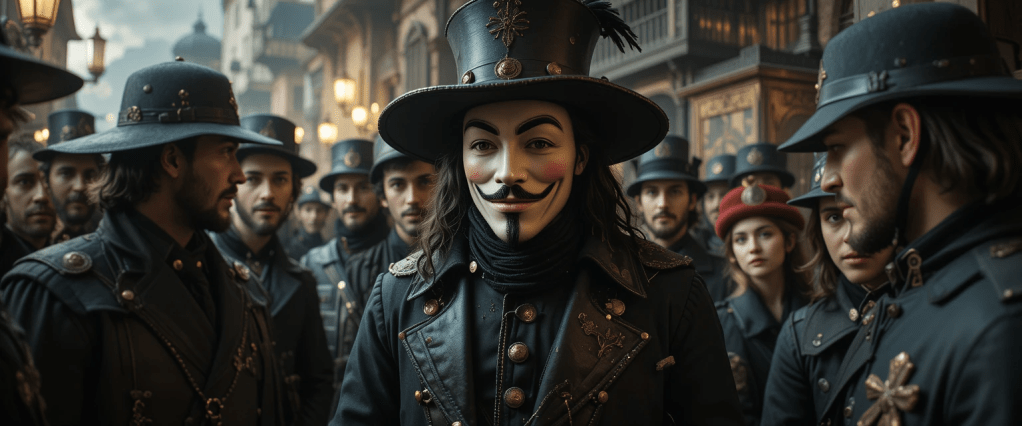
- “V for Vendetta” and the Guy Fawkes Mask – The iconic Guy Fawkes mask, popularized by Alan Moore’s graphic novel V for Vendetta (1982) and its 2005 film adaptation, transformed Fawkes into a symbol of resistance against oppression. The mask is now widely used in protests by groups like Anonymous, reinforcing the connection between Guy Fawkes and political rebellion.
- Bonfire Night and Cultural Traditions – Every year on November 5, Bonfire Night is celebrated across Britain, keeping the legacy of the Gunpowder Plot alive in English cultural memory. The continued burning of effigies and firework displays serves as a reminder of the importance of political stability and vigilance.
A Linguistic and Cultural Legacy of Treason and Rebellion
The execution of the Gunpowder Plot conspirators on January 31, 1606, marked the brutal end of one of England’s most infamous conspiracies, but the event’s influence on language and culture endured. From legal and political terminology such as “treason,” “plot,” and “state security”, to widely recognized expressions like “Remember, remember the Fifth of November”, the Gunpowder Plot left an indelible imprint on English discourse.
Perhaps most fascinating is the evolution of “guy”, a word that started as a reference to a single conspirator and became a universal term for men in English. The story of Guy Fawkes, whether viewed as a symbol of rebellion or a cautionary tale of political extremism, remains a potent reminder of the power of language in shaping history, identity, and political thought.
From gunpowder to language: how a failed conspiracy ignited expressions that still echo today.
Originally published on January 31, 2025, on The-English-Nook.com.
Visit my page to find out what happened on this day and learn the word of the day—you’ll find it here first and all in one place!
If you’re a language enthusiast, you’ll have access to a variety of resources, including interesting readings, vocabulary, and much more—not just for English, but also for Spanish. Come check it out!
 What Happened on This Day?
Leave a comment