
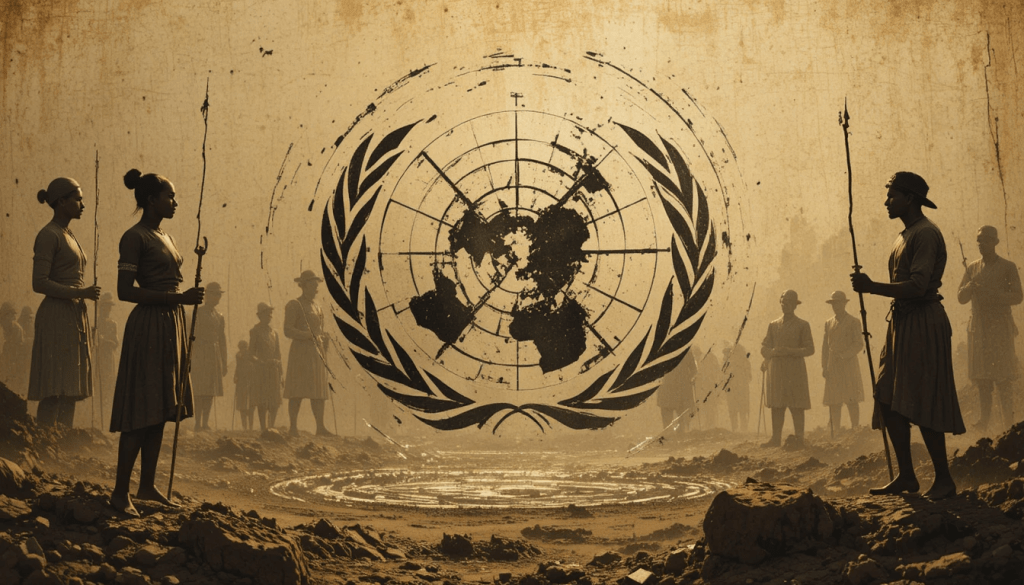
December 2
A Global Human-Rights Commemoration That Continues to Shape Modern English Discourse
Established by the United Nations, the International Day for the Abolition of Slavery focuses on eradicating contemporary forms of exploitation — including human trafficking, forced labor, child labor, and other violations of human freedom. Although not a literary anniversary, it directly influences English-language public writing, particularly in the fields of human rights, global policy, moral philosophy, and activism.
Significant in shaping the vocabulary and moral framework through which English speakers discuss injustice, dignity, and freedom.
1. A Day Rooted in Global Justice and Human Dignity
The UN established this observance to highlight the ongoing fight against modern slavery worldwide. The day generates yearly waves of English-language:
- reports
- policy briefings
- news coverage
- NGO publications
- educational materials
These writings reinforce a shared global lexicon for discussing exploitation and human rights.
While not directly tied to creative literature, the day functions as a moral reference point that shapes how English encodes ethical responsibility and social critique.
2. How This Day Influences English-Language Discourse
a. Expands and reinforces human-rights vocabulary
The observance helps standardize key terms in English such as:
“forced labor,” “modern slavery,” “human trafficking,” “exploitation,” “dignity,” “freedom,” “liberation,” “human rights violations,” and “restorative justice.”
These terms appear in journalism, advocacy, law, and academic writing — and the global attention on December 2 helps circulate them widely.
b. Shapes moral and legal rhetoric in English
English-language discourse around this day tends to adopt a tone of:
- ethical urgency
- global responsibility
- historical awareness
- legal precision
This influences how policymakers and journalists construct arguments in English about justice, vulnerability, and state accountability.
c. Influences essays, journalism, speeches, and activism writing
On and around December 2, English-language media produces:
- editorials on global justice
- reports from NGOs and UN agencies
- speeches by political leaders
- essays on the historical legacy of slavery
- op-eds calling for policy reform
These materials shape the public conversation and model specific rhetorical strategies — appeals to international law, moral reasoning, and universal human dignity — that echo through later activism writing.
d. Reinforces globalized, inclusive English
Because the day is observed internationally, it contributes to a shared global English vocabulary for discussing:
- cross-border human trafficking
- migrant labor abuse
- economic exploitation
- systemic injustice
The language used on this day becomes part of the larger linguistic infrastructure supporting global collaboration.
3. Lasting Linguistic and Cultural Significance
Though not a literary anniversary, the International Day for the Abolition of Slavery has a measurable, ongoing impact on English:
- It sustains and updates a human-rights lexicon used worldwide.
- It influences the tone and ethical framing of English-language advocacy.
- It reinforces the role of English as a medium for global justice discourse.
- It affects journalism, commentary, and policy writing more than creative literature.
When English speaks of freedom, December 2 gives it a sharper, stronger voice.
Curious about what happened today in history? Want to learn a new word every day?
You’ll find it all—first and in one place—at The-English-Nook.com!
If you love languages, this is your space.
Enjoy bilingual short stories, fun readings, useful vocabulary, and so much more in both English and Spanish.
Come explore!
 What Happened on This Day?
Leave a comment