
2025 November
-

Born December 26, 1891, Henry Miller shattered the boundaries of modern English prose. By challenging censorship, embracing radical autobiography, and reshaping sentence rhythm, he expanded what English could legally, morally, and stylistically express. His work transformed prose into a vehicle of personal freedom, intensity, and unapologetic subjectivity.
-
Observed on December 2, the International Day for the Abolition of Slavery strengthens the global English vocabulary of justice, dignity, and human rights. Through reports, journalism, and advocacy, it shapes how English speakers discuss exploitation, accountability, and the ongoing fight against modern slavery in a shared, ethical public language.
-
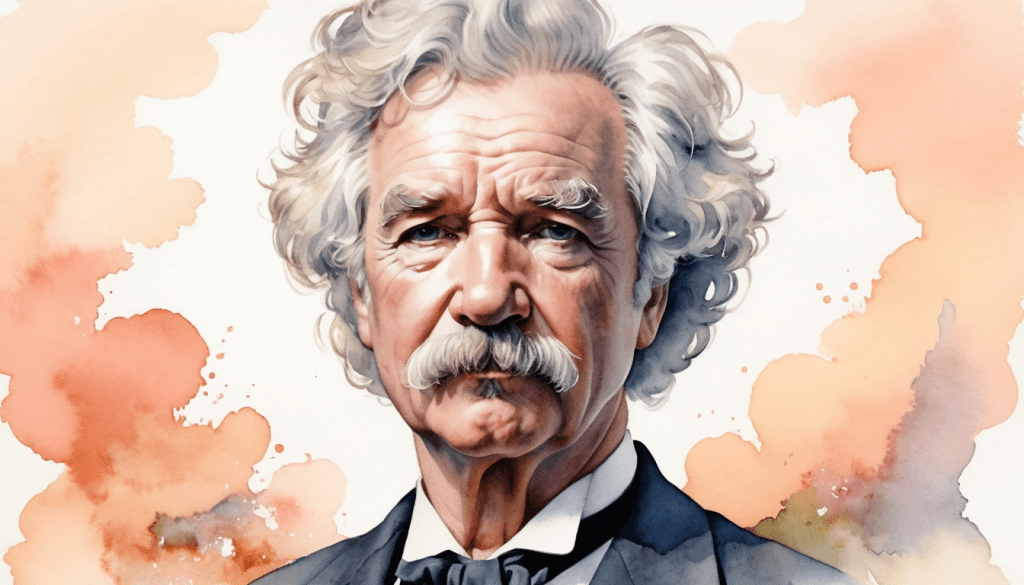
Mark Twain, born November 30, 1835, transformed English by elevating American vernacular, capturing authentic dialects, and shaping modern narrative voice. His humor, satire, and linguistic innovation broadened the expressive power of English, making everyday speech a vehicle for depth, critique, and lasting literary influence.
-
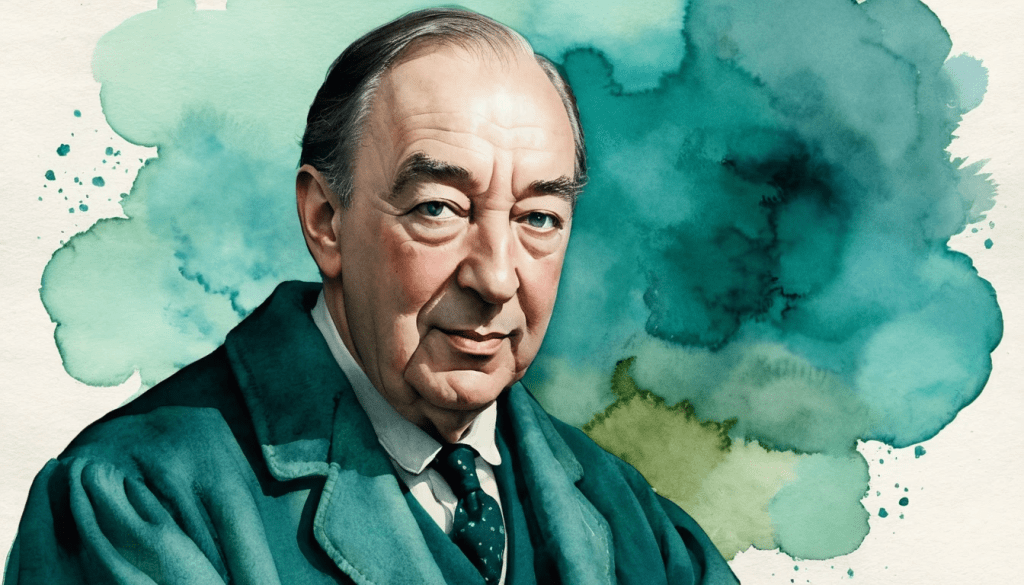
Born on November 29, 1898, C. S. Lewis united scholarship, imagination, and moral clarity in prose that shaped modern English. From Narnia to Mere Christianity, his lucid style, mythic vision, and narrative warmth expanded how English can express wonder, truth, and the inner life for readers across generations.
-
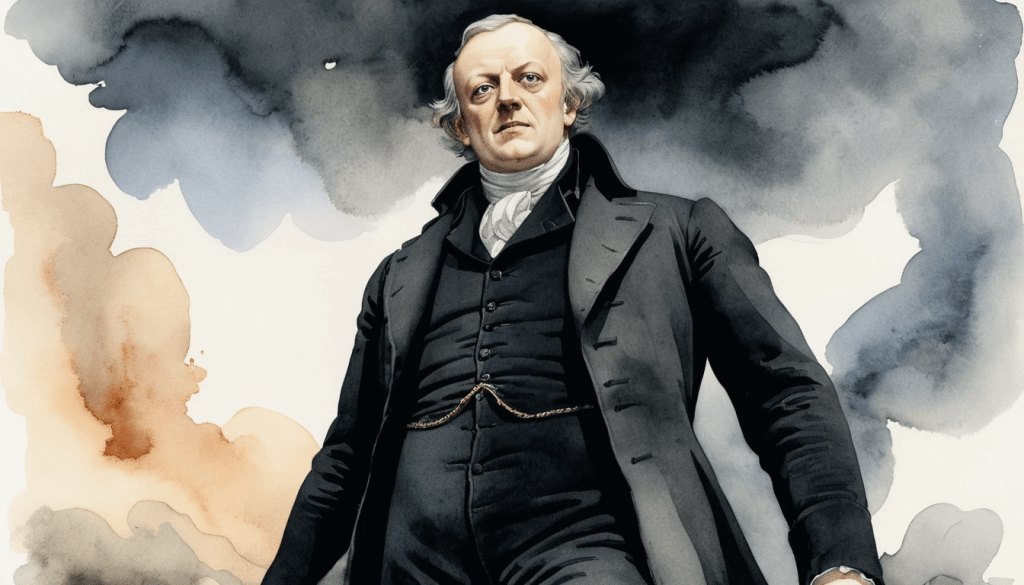
William Blake, born on November 28, 1757, transformed English poetry through visionary imagery, symbolic language, and prophetic intensity. His fusion of lyric clarity and mythic imagination reshaped Romanticism, expanded English’s expressive power, and left a linguistic legacy that continues to influence literature, art, philosophy, and modern cultural discourse.
-
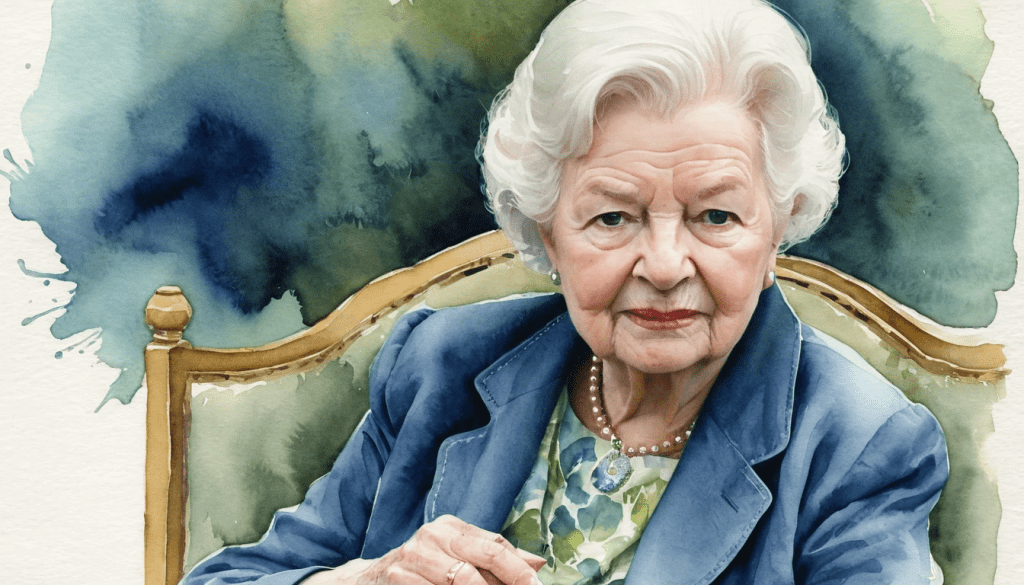
P. D. James transformed crime fiction through elegant prose, moral depth, and psychologically rich storytelling. Her work elevated the genre, blending literary precision with compelling suspense. Even after her passing on November 27, 2014, her stylistic clarity and narrative rigor continue to influence modern English-language fiction.
-
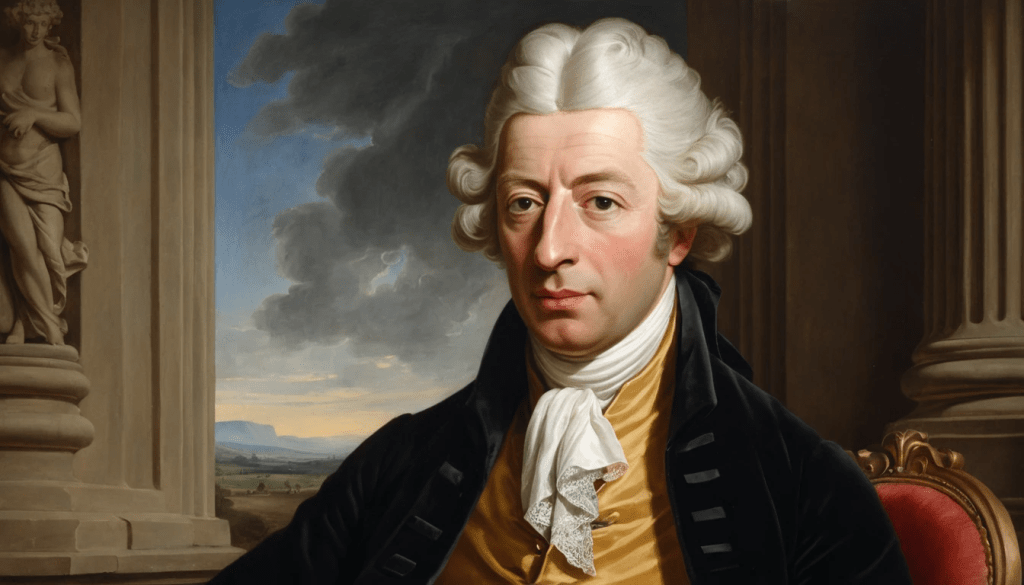
Born on November 26, 1731, William Cowper reshaped English poetry by replacing Augustan formality with plain, humane language. His gentle humor, emotional candor, and conversational style bridged the gap to Romanticism, proving that poetry could speak quietly, personally, and in the natural rhythms of everyday life.
-
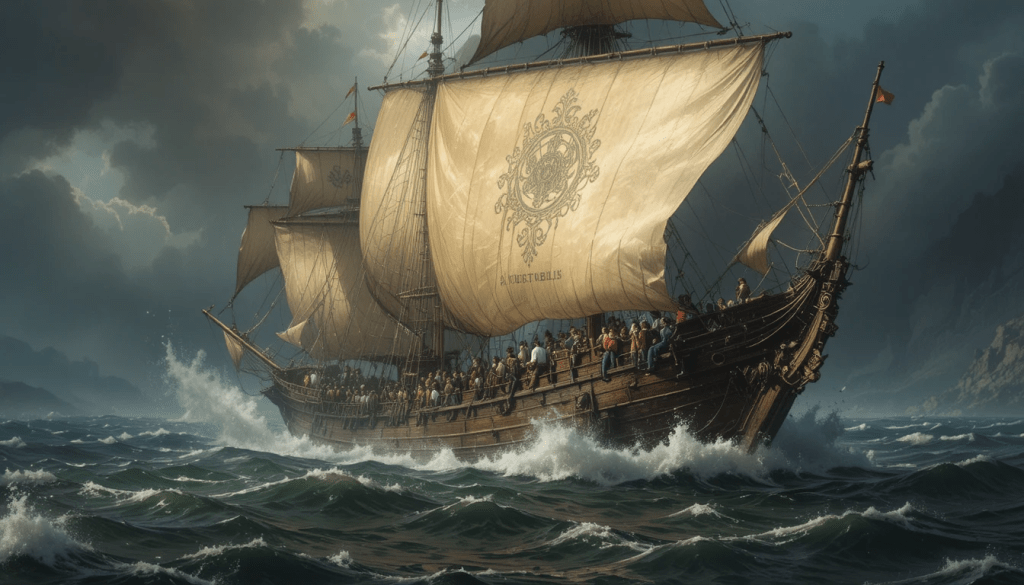
The sinking of the White Ship on November 25, 1120 killed England’s heir, triggered a succession crisis, and plunged the kingdom into The Anarchy. This political chaos reshaped power, law, and cultural authority, creating conditions that ultimately shifted linguistic prestige and helped pave the way for the rise of Middle English.
-
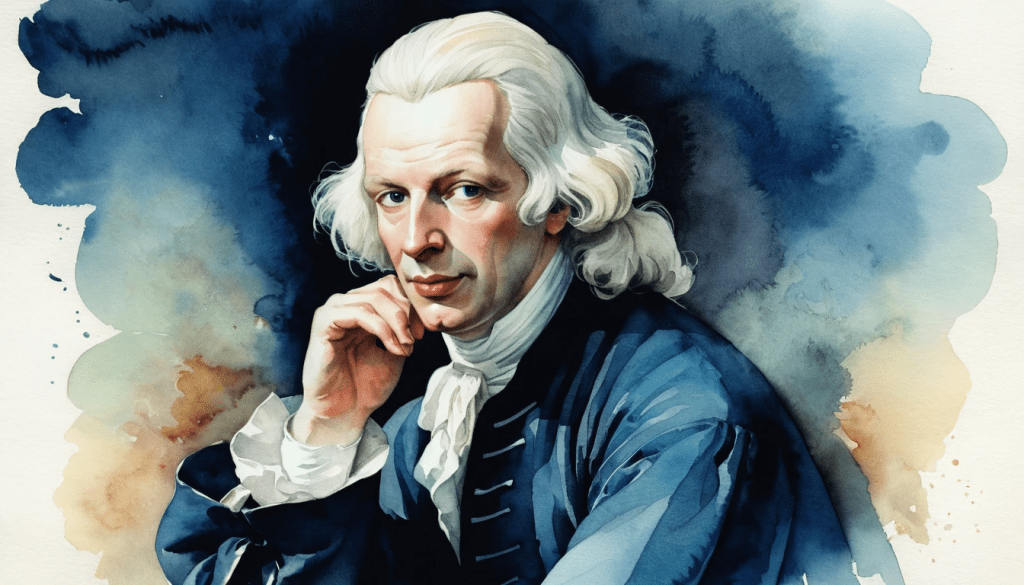
Born on November 24, 1713, Laurence Sterne revolutionized English fiction through playful experimentation. With Tristram Shandy and A Sentimental Journey, he transformed digression, irony, and typographical humor into narrative art, redefining how stories could move, think, and joke. His innovations shaped modernism, metafiction, and the comic novel.
-
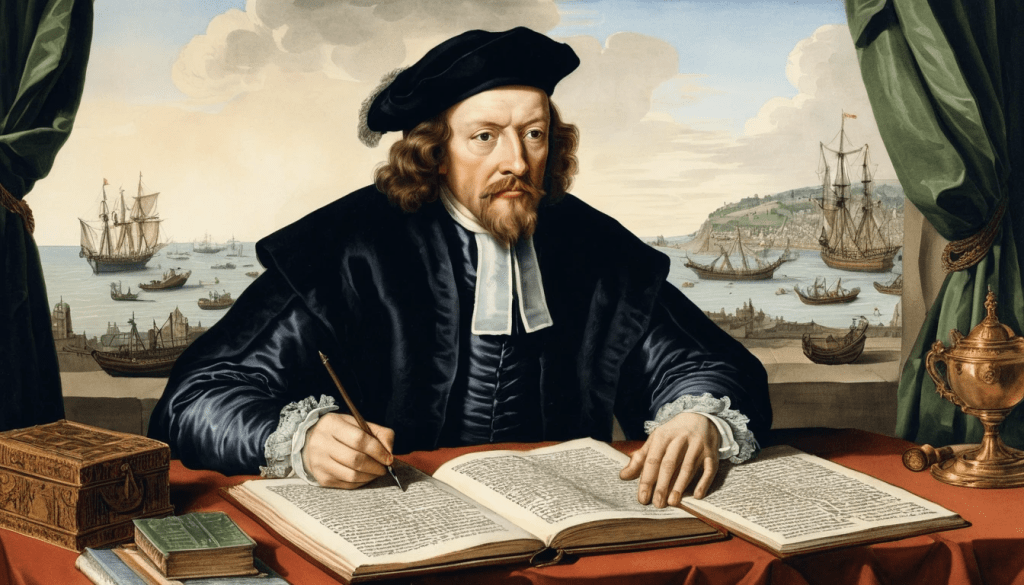
Richard Hakluyt, who died on November 23, 1616, shaped early English exploration literature and the rise of English as a global language. Through vast compilations of voyages and persuasive arguments for colonization, he preserved sailors’ voices, guided imperial policy, and expanded the imaginative and linguistic horizons of English readers.
 What Happened on This Day?