
2025 August
-
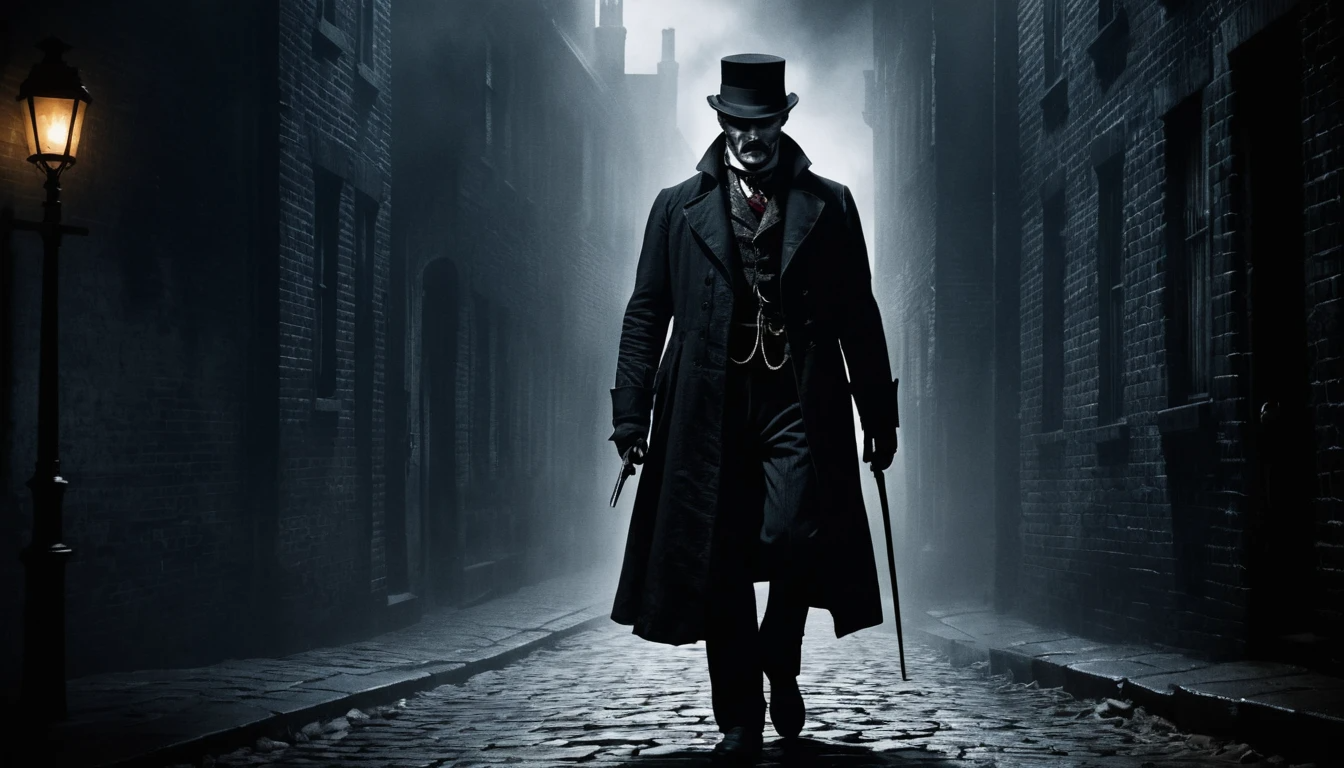
On August 31, 1888, Mary Ann “Polly” Nichols was murdered in Whitechapel, London—a crime now recognized as Jack the Ripper’s first canonical killing. Beyond its brutality, the case transformed English crime vocabulary, shaping the language of journalism, criminology, and Gothic imagination that still defines how we narrate mystery and violence.
-
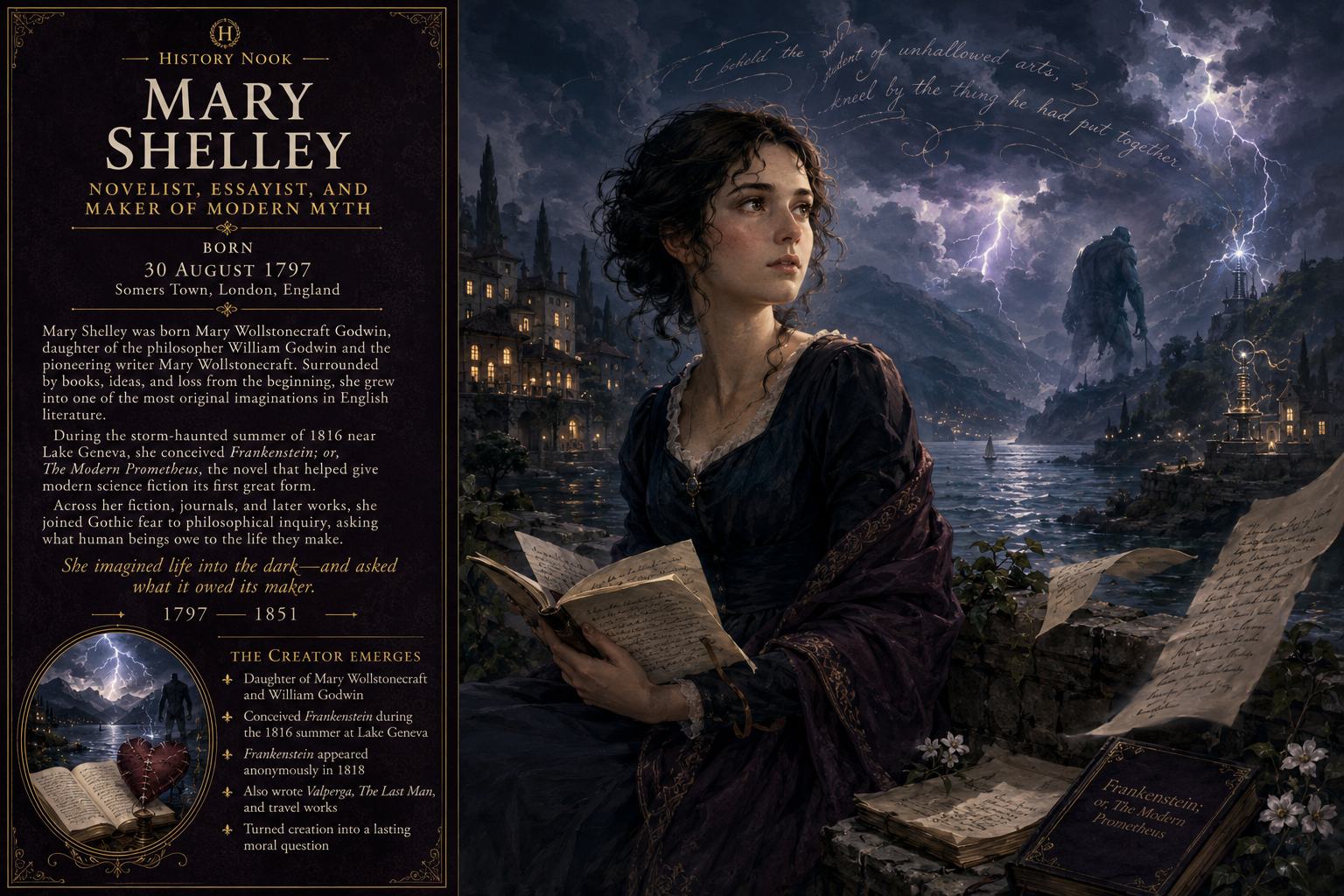
Mary Shelley’s birth marks the arrival of the writer who gave English Frankenstein: a modern myth of creation, responsibility, abandonment, science, and consequence.
-
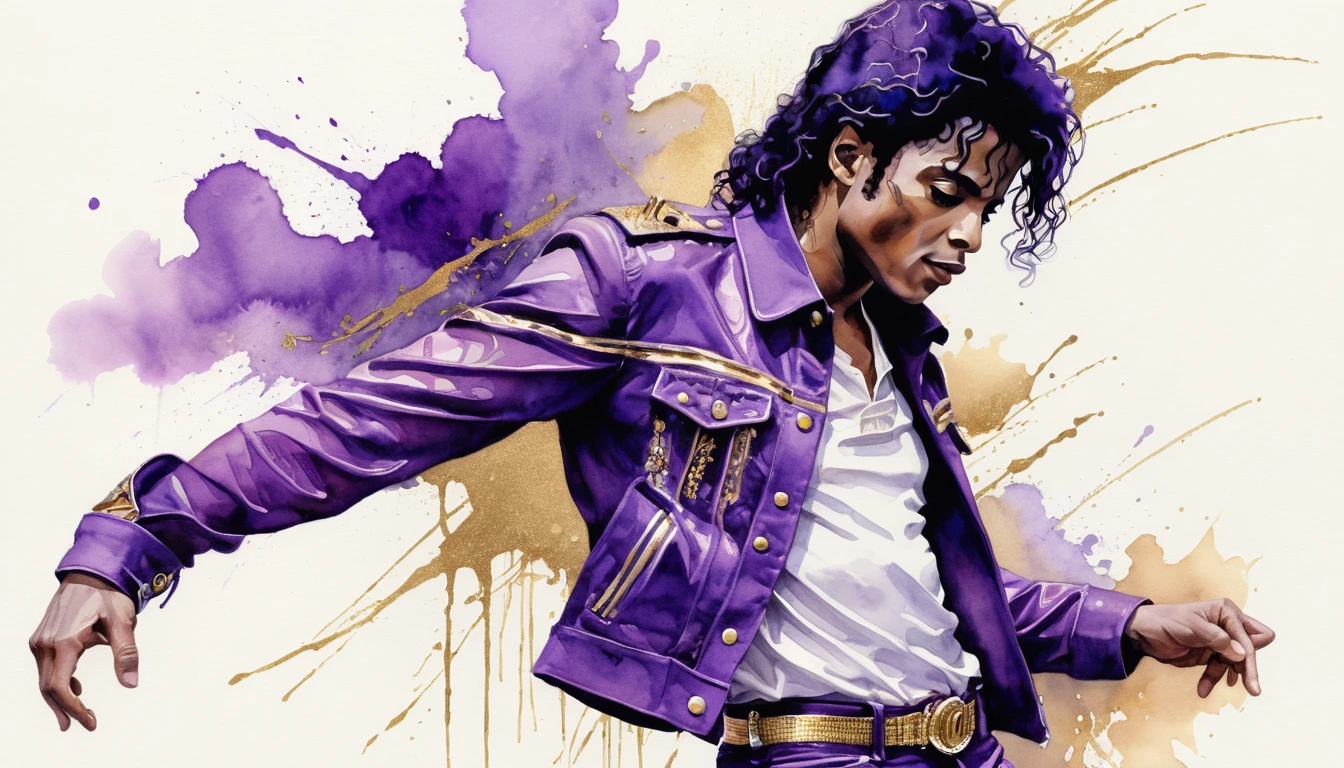
Michael Jackson, born August 29, 1958, was more than the King of Pop—he was a wordmaker. From “moonwalk” to “Thriller” and “Jackson mania,” his artistry reshaped the English of music, dance, and celebrity. His vocabulary innovations endure as cultural markers of spectacle, fame, and performance.
-

The first issue of Scientific American (1845) transformed how science spoke to the public. By simplifying terminology, using vivid metaphors, and diffusing key expressions like “innovation” and “applied science,” it bridged specialist discourse and common English, shaping the very language of modern scientific communication for generations.
-
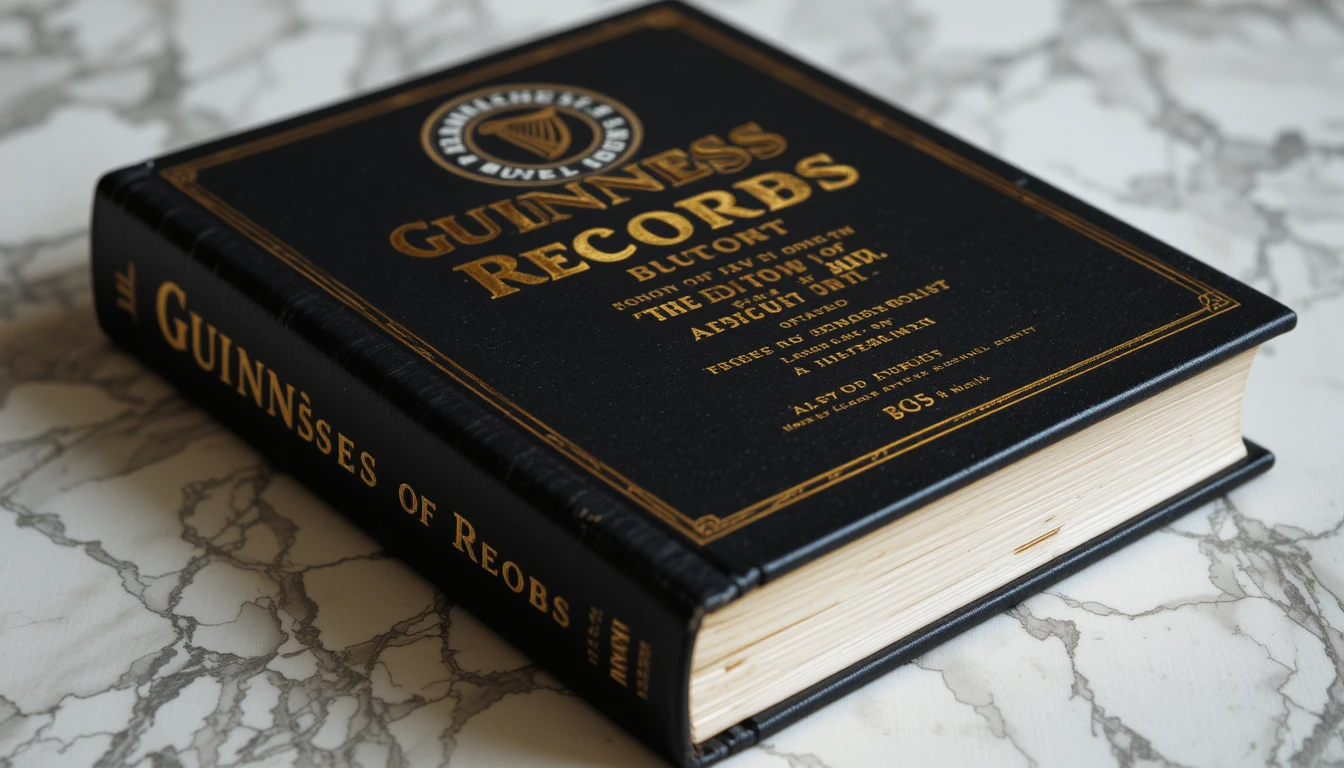
On August 27, 1955, the first Guinness Book of Records was published in the UK. Originally a brewery giveaway to settle trivia disputes, it grew into a global phenomenon, reshaping culture and language. Guinness introduced phrases like “world record” and “record-breaking,” embedding the vocabulary of achievement into everyday English.
-
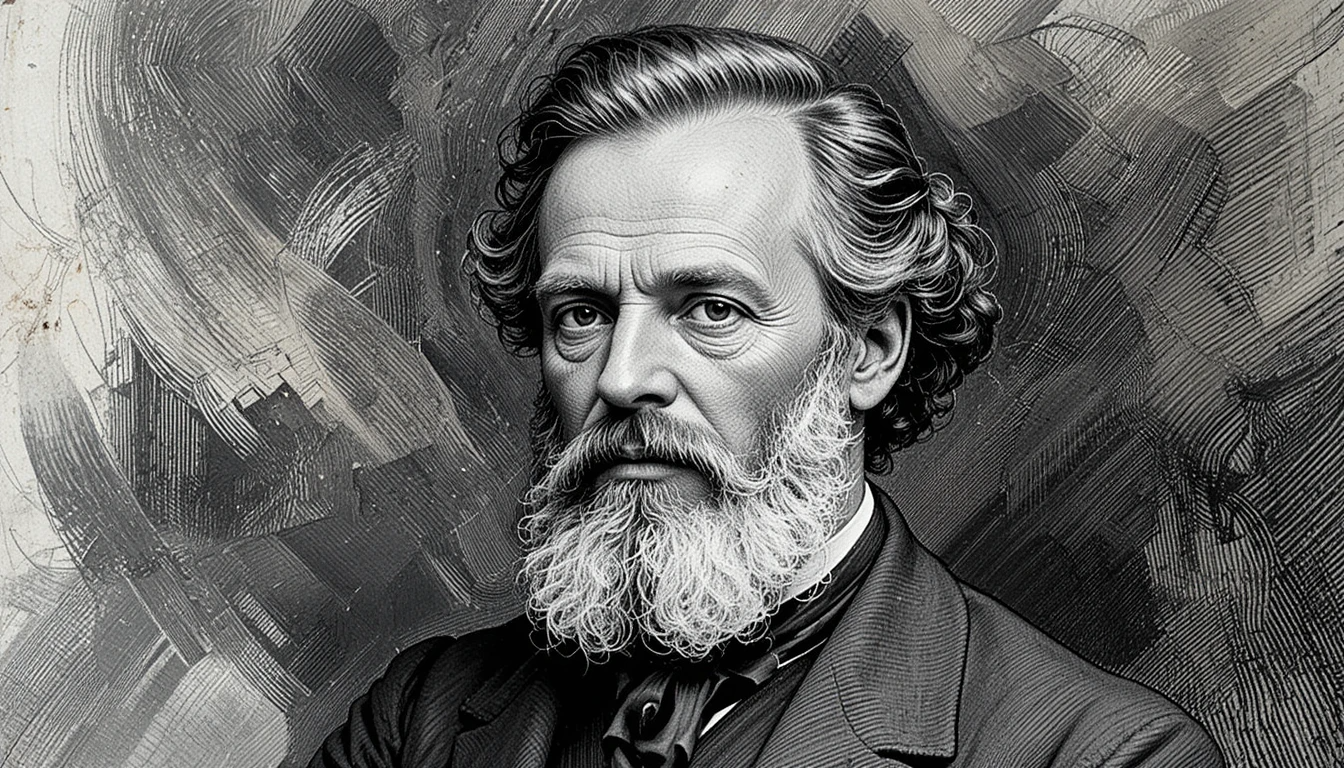
William James, the “father of American psychology,” died on August 26, 1910, leaving more than philosophy—he left a living vocabulary. From “stream of consciousness” to “pragmatism,” his words reshaped English, influencing psychology, literature, religion, and everyday speech. His linguistic legacy endures as much as his intellectual achievements.
-

Sean Connery, born August 25, 1930, transformed cinema and English vocabulary alike. From “Bondian” sophistication to “Connery gravitas,” his presence shaped how critics and audiences describe style, masculinity, and authority. Beyond Bond, his legacy lives in language itself, proving that an actor’s influence can outlast the screen.
-
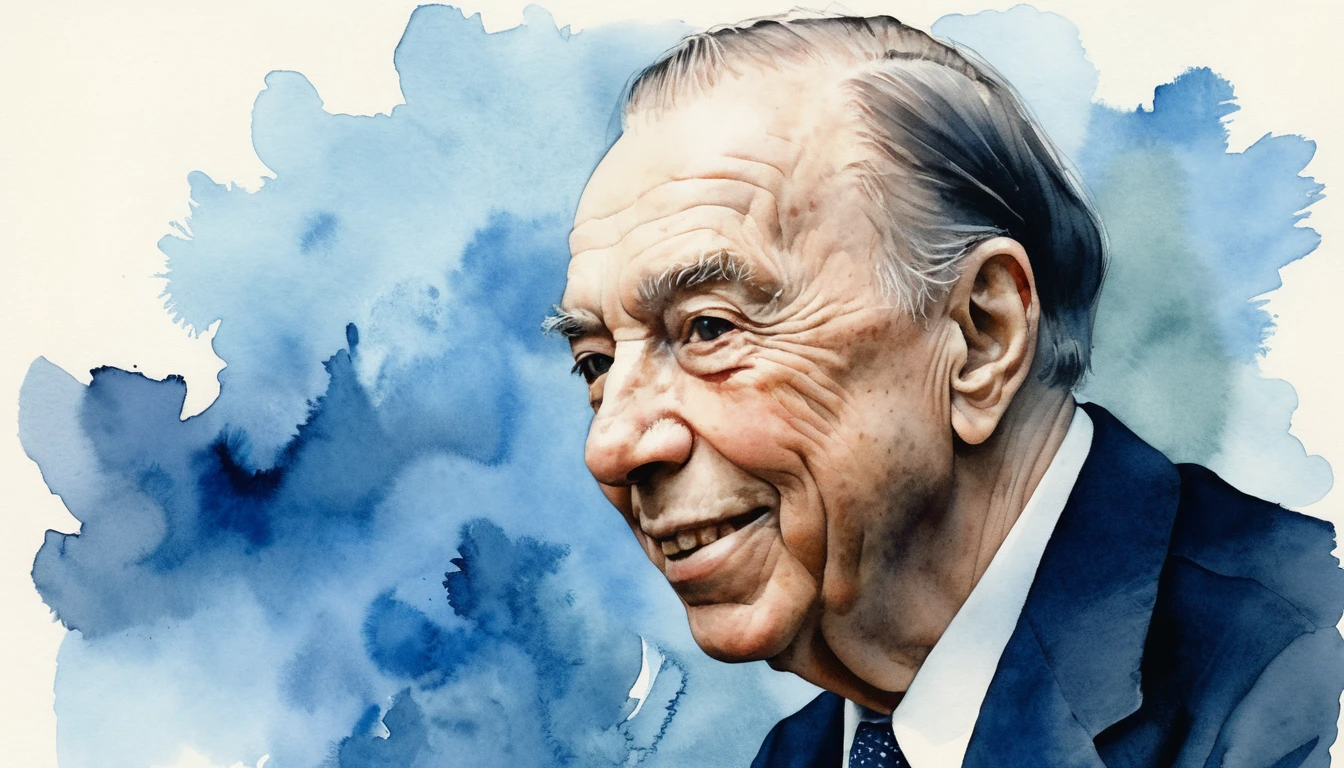
Jorge Luis Borges, born August 24, 1899, reshaped both Spanish and English literature. His metaphors—labyrinths, mirrors, infinite libraries—became critical vocabulary in English. Terms like “Borgesian,” “Library of Babel,” and “Aleph” entered global discourse, ensuring Borges’ imagination continues to define how we speak of infinity, recursion, and literary possibility.
-

On August 23, 1305, William Wallace, the Scottish knight and freedom fighter, was executed in London for treason against King Edward I. Though condemned, his brutal death transformed him into a legendary symbol of Scotland’s struggle for independence, inspiring centuries of chronicles, literature, and popular imagination.
-
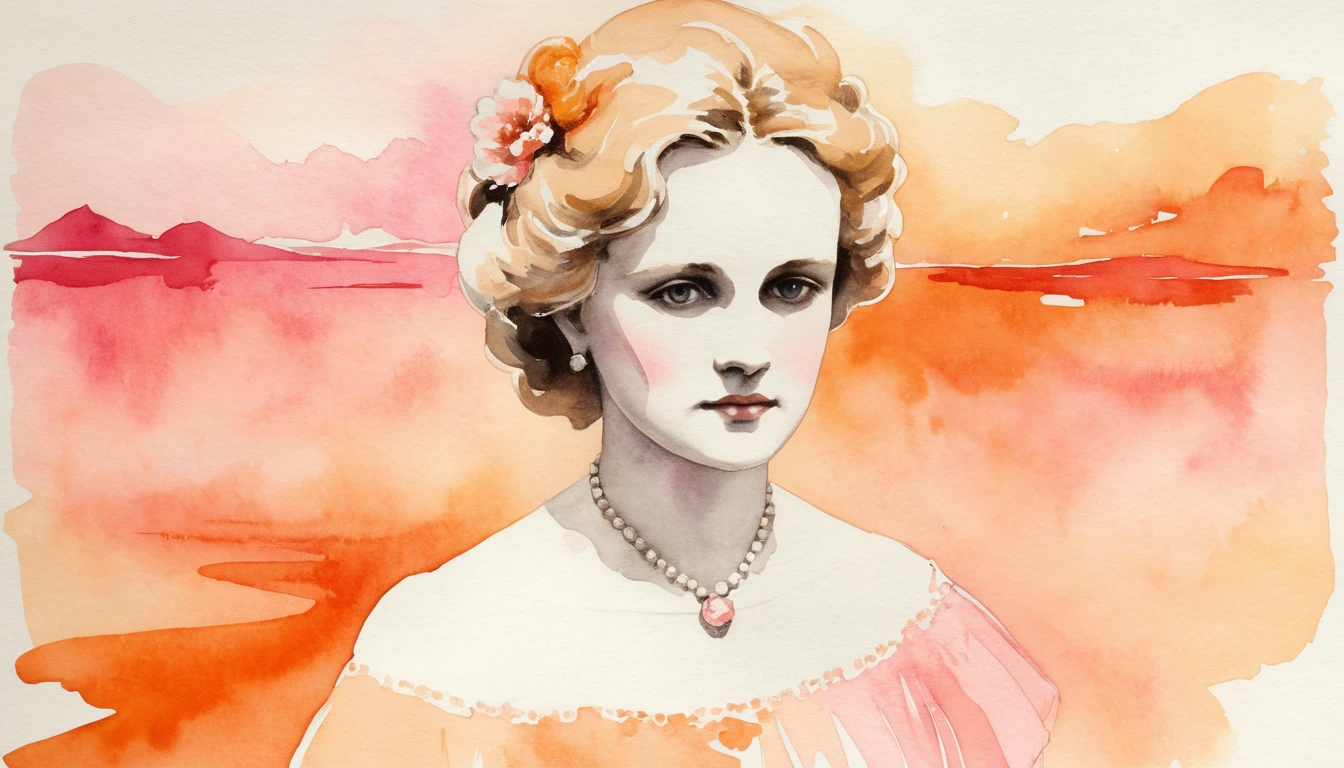
Kate Chopin, who died in 1904, was first remembered as a regional Louisiana writer. Her novel The Awakening faced rejection for its bold themes of sexuality and freedom, yet later feminist critics revived her legacy. Today, Chopin stands as a pioneer of modern feminist literature and cultural identity.