
2025 May
-
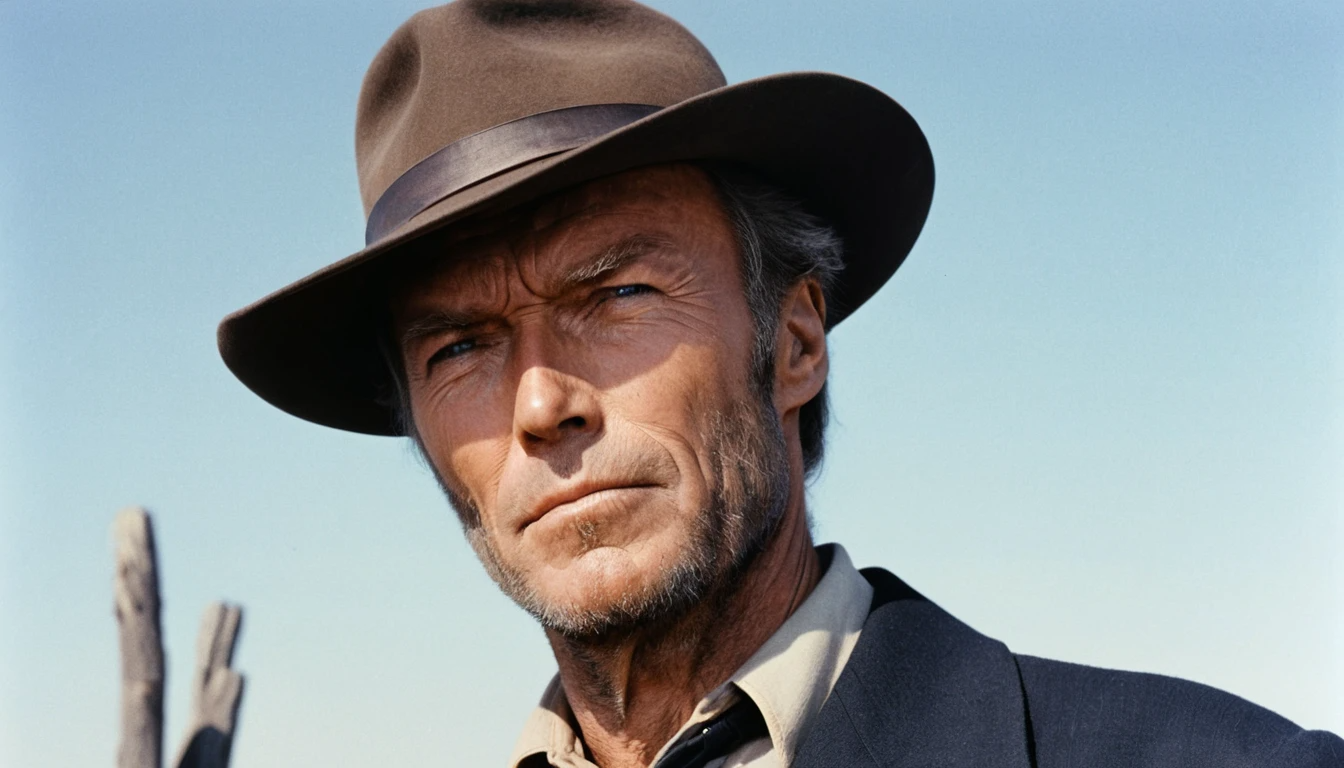
Clint Eastwood transformed American cinema with his minimalist dialogue, stoic delivery, and unforgettable one-liners. His iconic phrases reshaped the sound of American English, creating a new lexicon of cinematic cool—where silence spoke volumes and a single sentence could define a generation’s attitude, grit, and quiet, unshakable resolve.
-

Boris Pasternak’s death on May 30, 1960, echoed far beyond Russia. His legacy—through Doctor Zhivago—reshaped the English language of dissent, embedding words like dissident, samizdat, and moral courage into public discourse. Even in silence, his poetic voice continues to define the language of resistance and the soul of the artist.
-
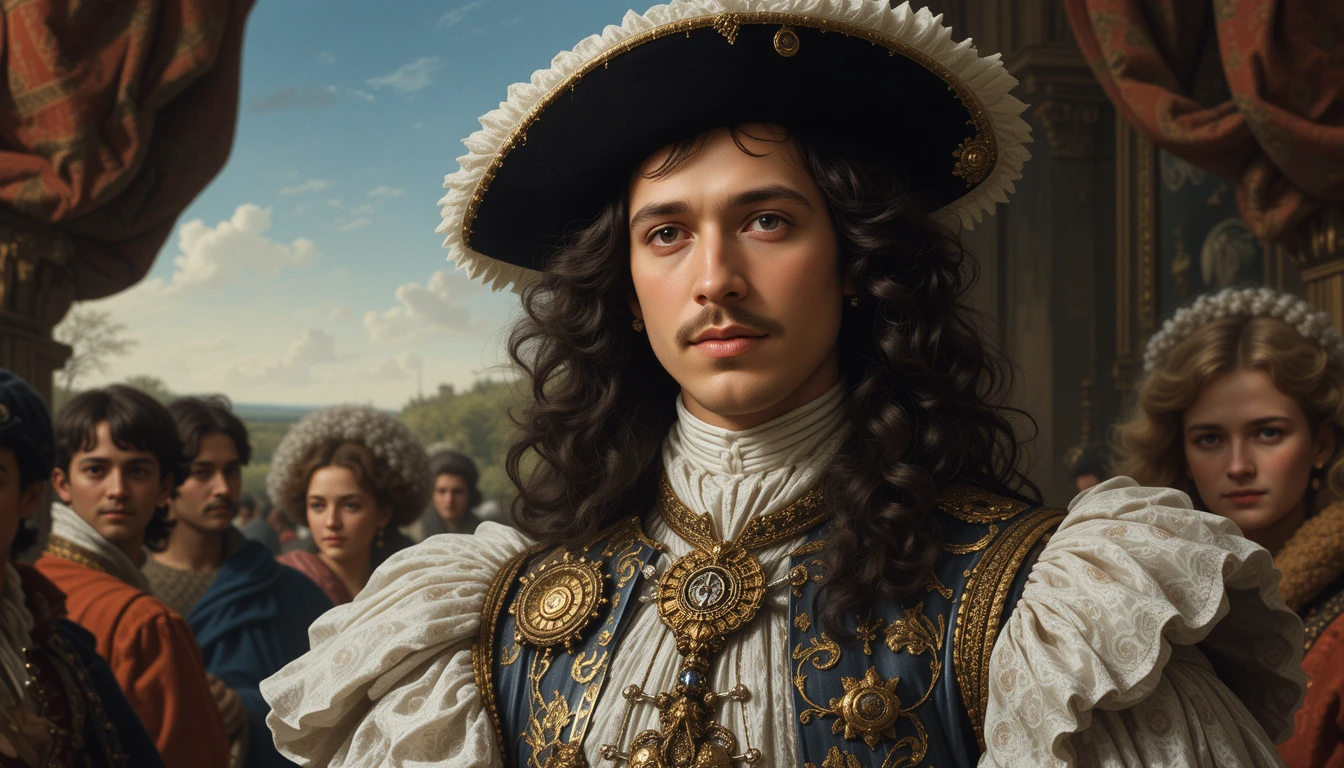
On May 29, 1660, Charles II’s return revived more than monarchy—it reawakened English expression. The Restoration ushered in bold theater, courtly wit, and a liberated language. From satire to sensuality, prose to poetry, English found new energy, reflecting a nation reclaiming joy, identity, and the art of eloquent rebellion.
-

In May 1588, the Spanish Armada set sail to invade England—but its failure did more than preserve a throne. It ignited English national identity and elevated English from a local dialect to a global literary force, giving birth to a language of empire, defiance, and poetic ambition.
-

On May 27, 1963, Casino Royale debuted in the U.S., launching James Bond into American consciousness. With it came a new lexicon—“license to kill,” “007,” “shaken, not stirred”—redefining how English speaks of espionage, danger, and cool. Bond didn’t just arrive; he infiltrated the language with flair and finesse.
-
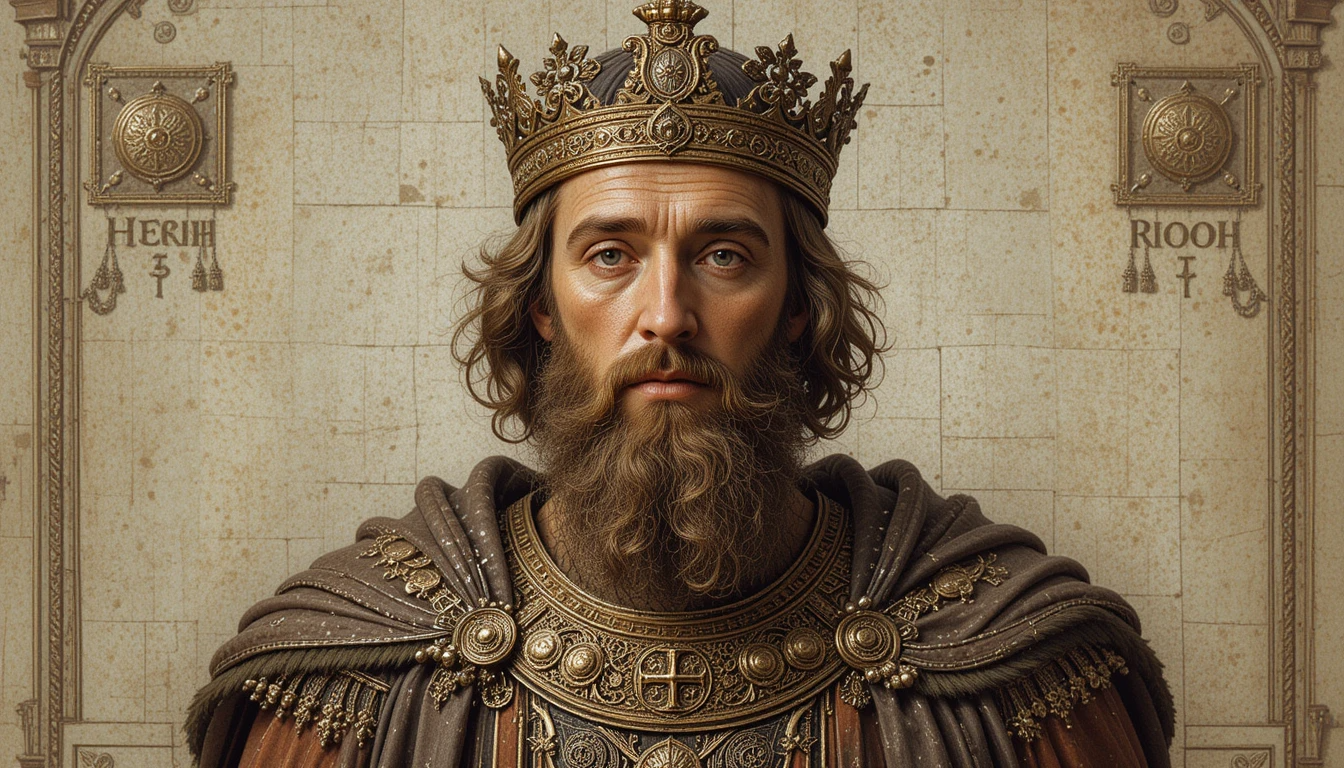
The assassination of King Edmund I on May 26, 946, was more than a royal tragedy—it became a cornerstone in the evolution of English political language. Chroniclers transformed his death into a moral and linguistic narrative, shaping how future generations would record kingship, justice, and the ever-precarious balance of power.
-

On May 25, 1977, Star Wars didn’t just premiere—it transformed English. Words like “Jedi,” “the Force,” and “droid” entered everyday speech. The film reshaped not only science fiction but language itself, embedding myth, metaphor, and cosmic cadence into how we talk about power, morality, identity, and storytelling.
-
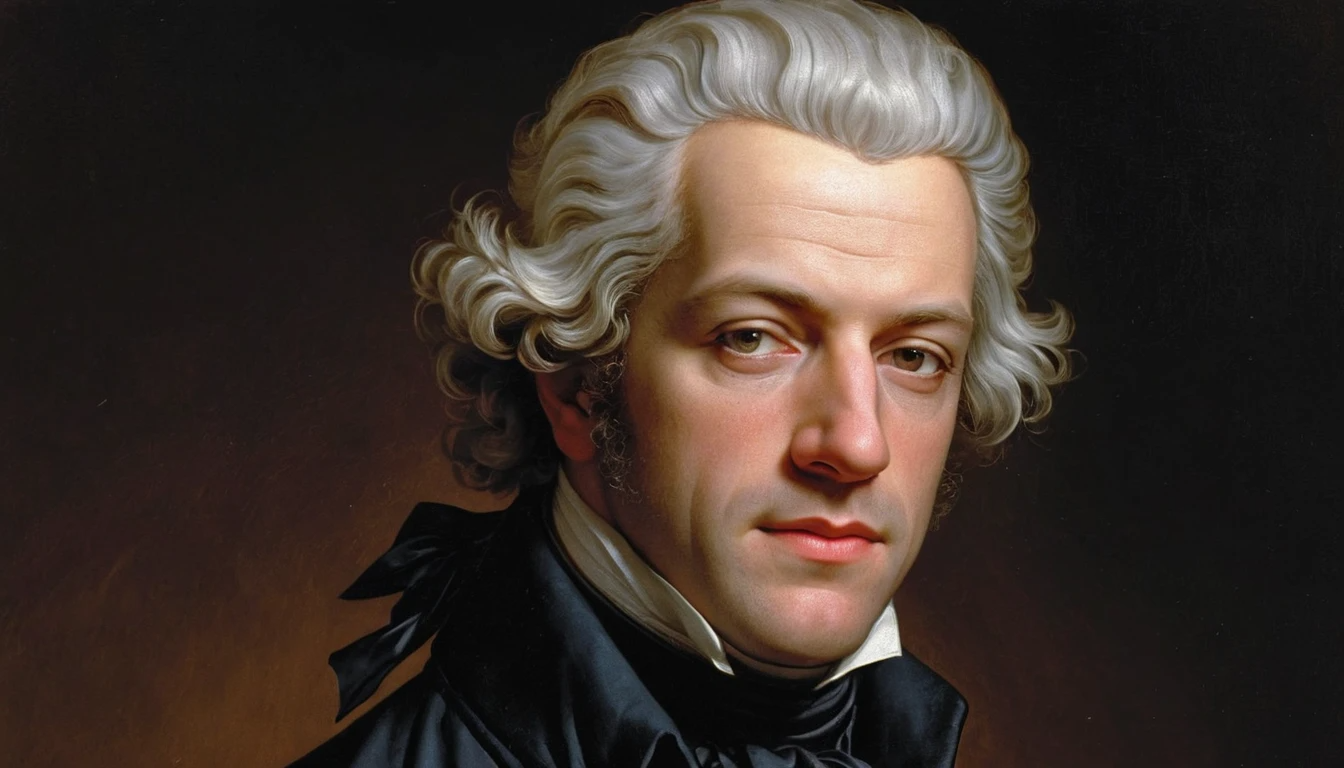
On May 24, 1686, Gabriel Fahrenheit was born, bringing clarity to how English speakers measure temperature. His scale introduced precise reference points and shaped scientific vocabulary, making “Fahrenheit” a lasting symbol of accuracy, standardization, and linguistic influence that endures in weather reports, medical charts, and everyday English.
-
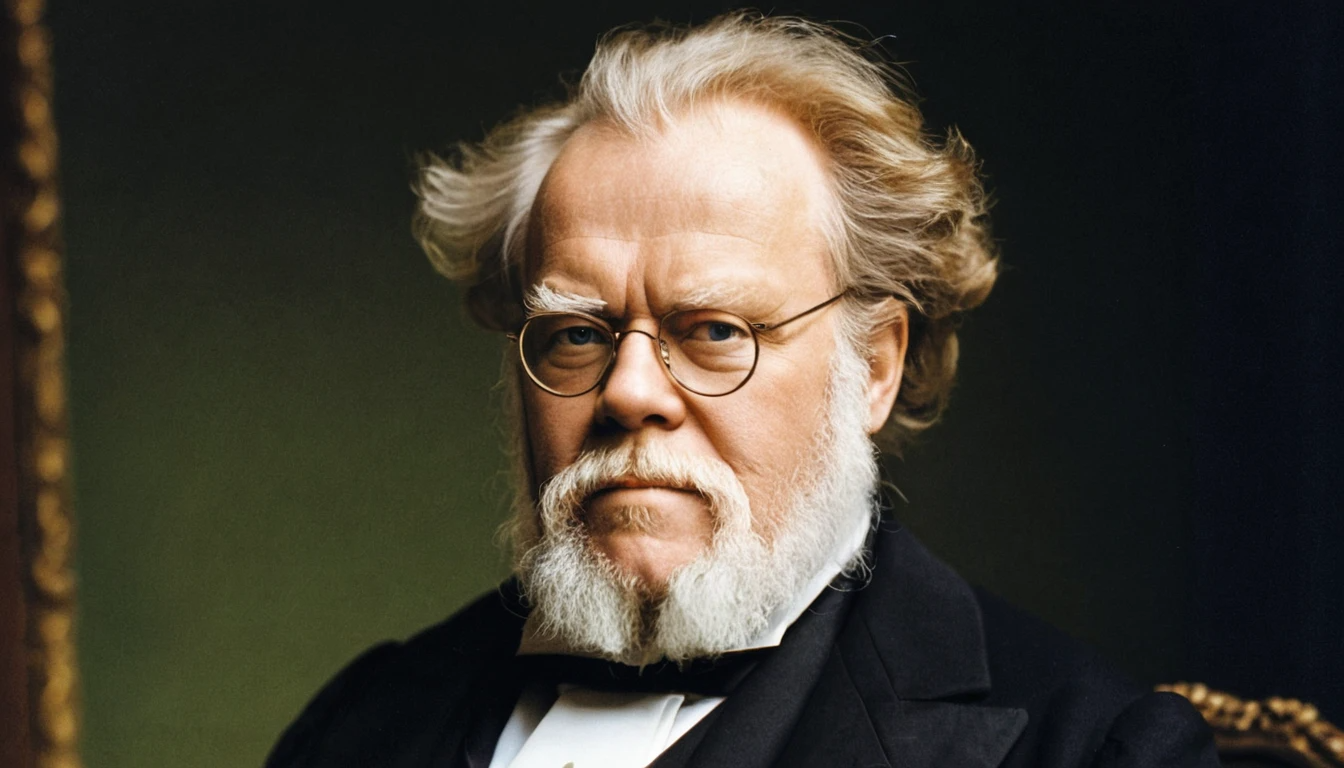
Henrik Ibsen’s death on May 23, 1906, marked not just the loss of a playwright, but the rise of a new English voice. His works taught English to express inner revolt, moral tension, and social truth—transforming silence into speech, and the theatre into a mirror of the modern soul.
-
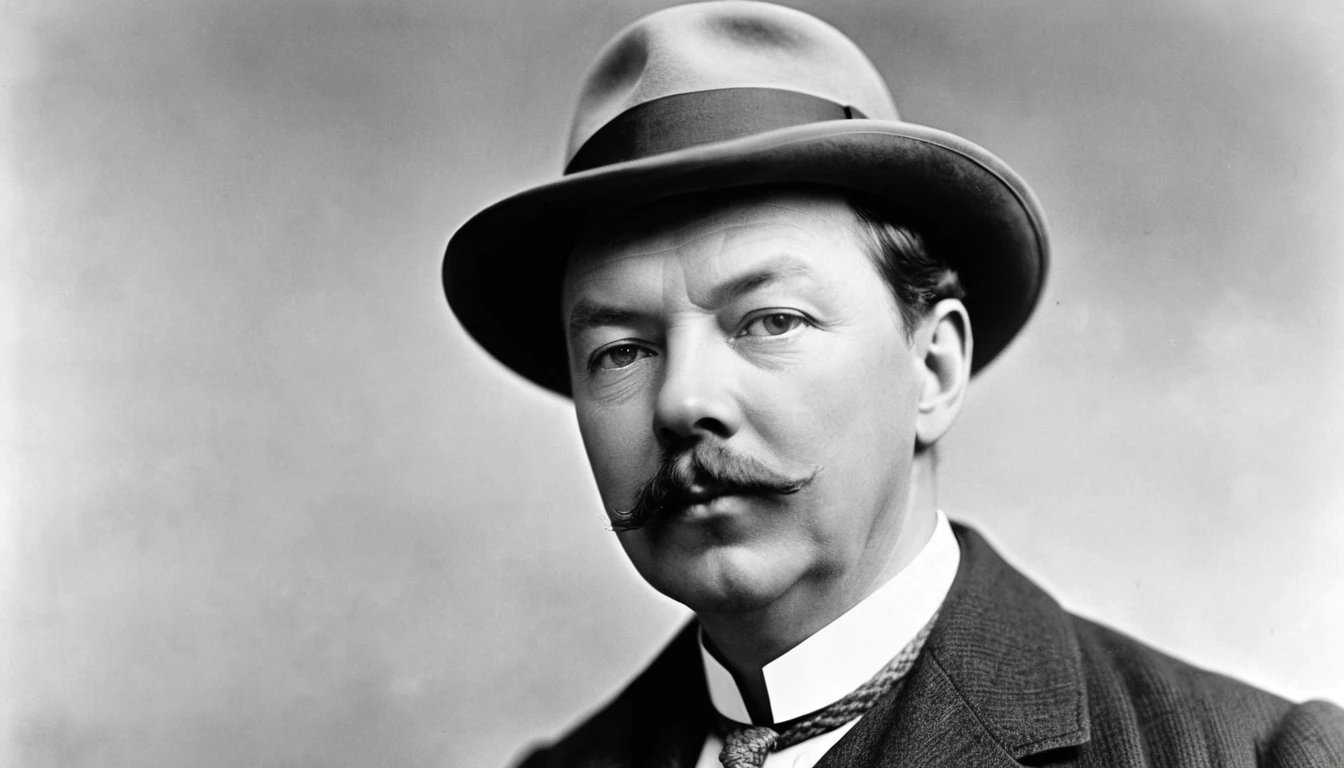
On May 22, 1859, Arthur Conan Doyle was born—and with him, the seeds of a linguistic revolution. Through Sherlock Holmes, he introduced a new vocabulary of logic, deduction, and inquiry that reshaped not only detective fiction but how English speakers discuss truth, evidence, and the pursuit of understanding itself.