
2025 May
-
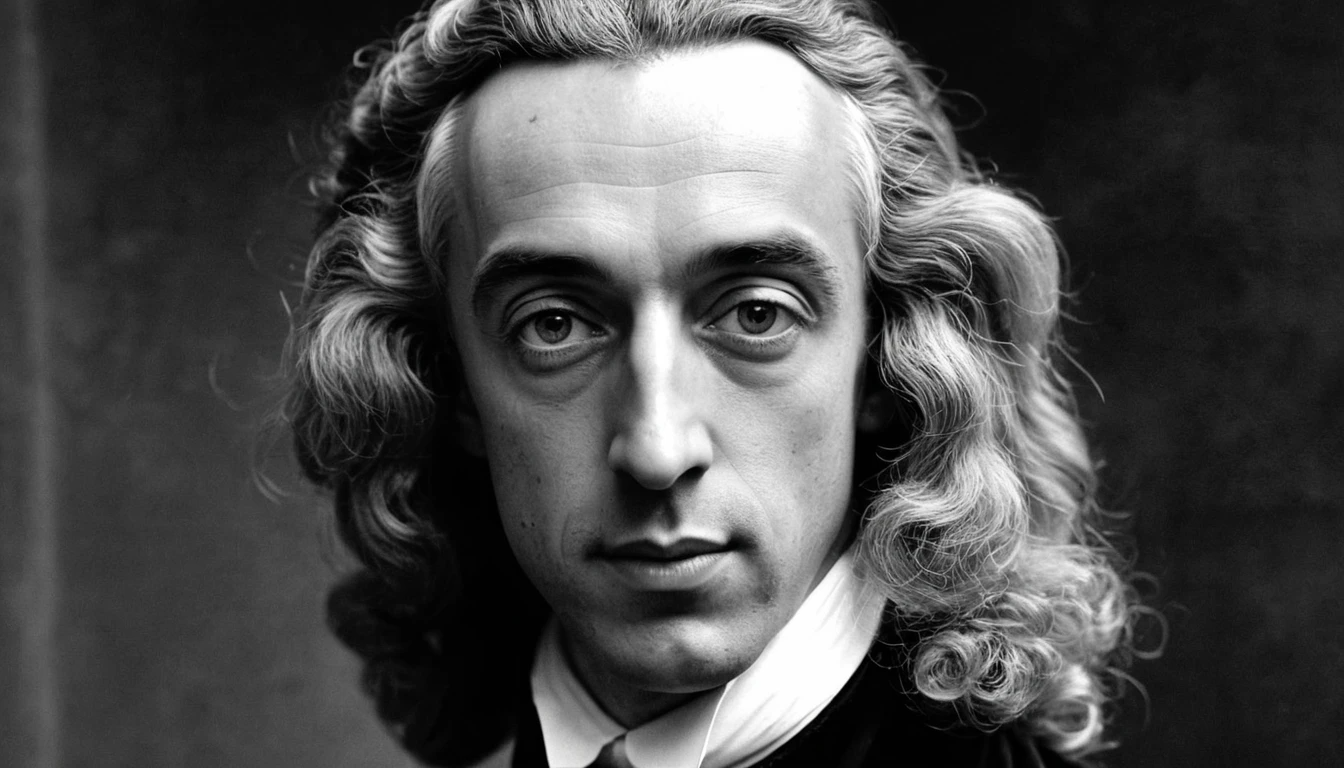
Born on May 21, 1688, Alexander Pope became a defining voice of Augustan literature. Through his elegant heroic couplets, sharp satire, and influential criticism, he transformed English poetry. Despite health struggles and religious prejudice, Pope’s literary brilliance set lasting standards in poetic form, diction, and the art of eloquent expression.
-
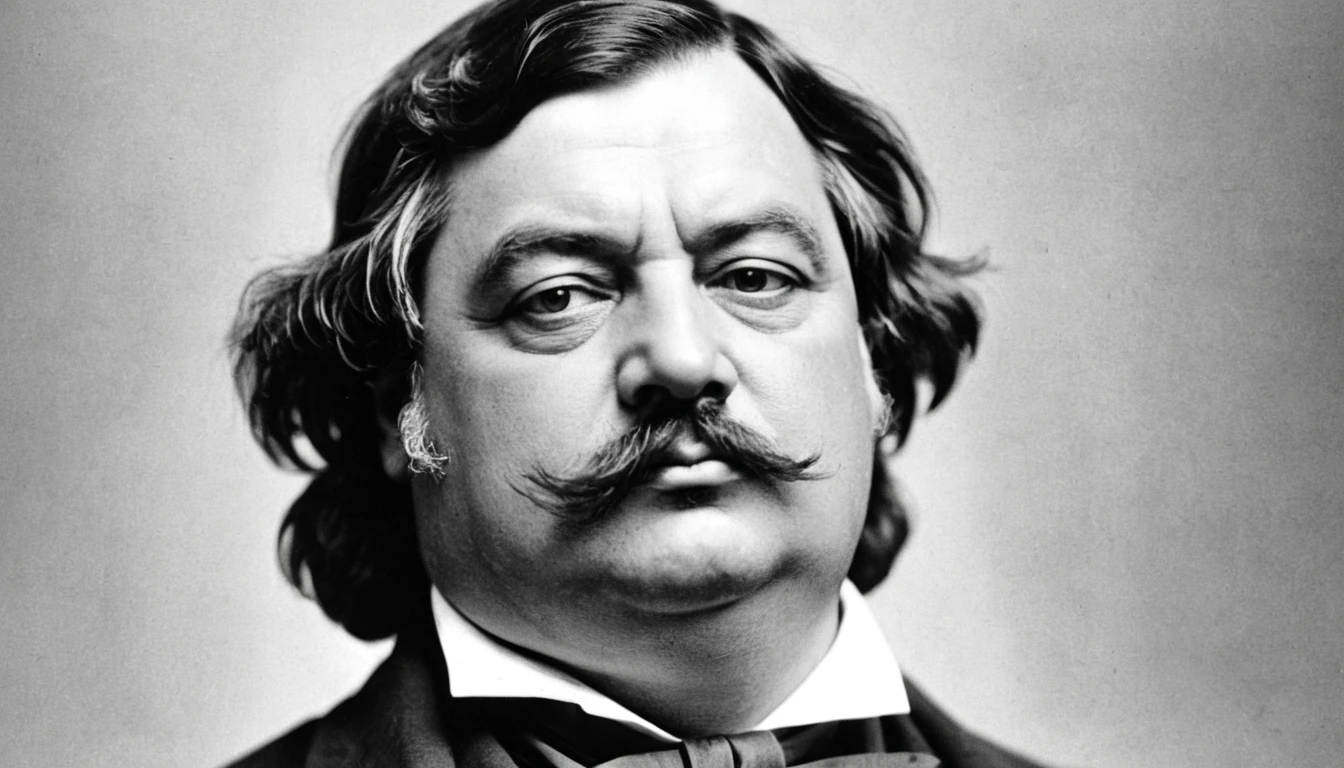
Honoré de Balzac, born in 1799, revolutionized literature with La Comédie Humaine. His vivid realism and psychological depth reshaped English narrative style, vocabulary, and critical discourse, bridging two literary worlds.
-

On May 19, 1962, Marilyn Monroe’s sultry “Happy Birthday” to President John F. Kennedy became a cultural landmark. Her breathy performance redefined how we talk about fame, spectacle, and charisma, embedding phrases and vocal styles into English that still echo through media, politics, and celebrity discourse today.
-
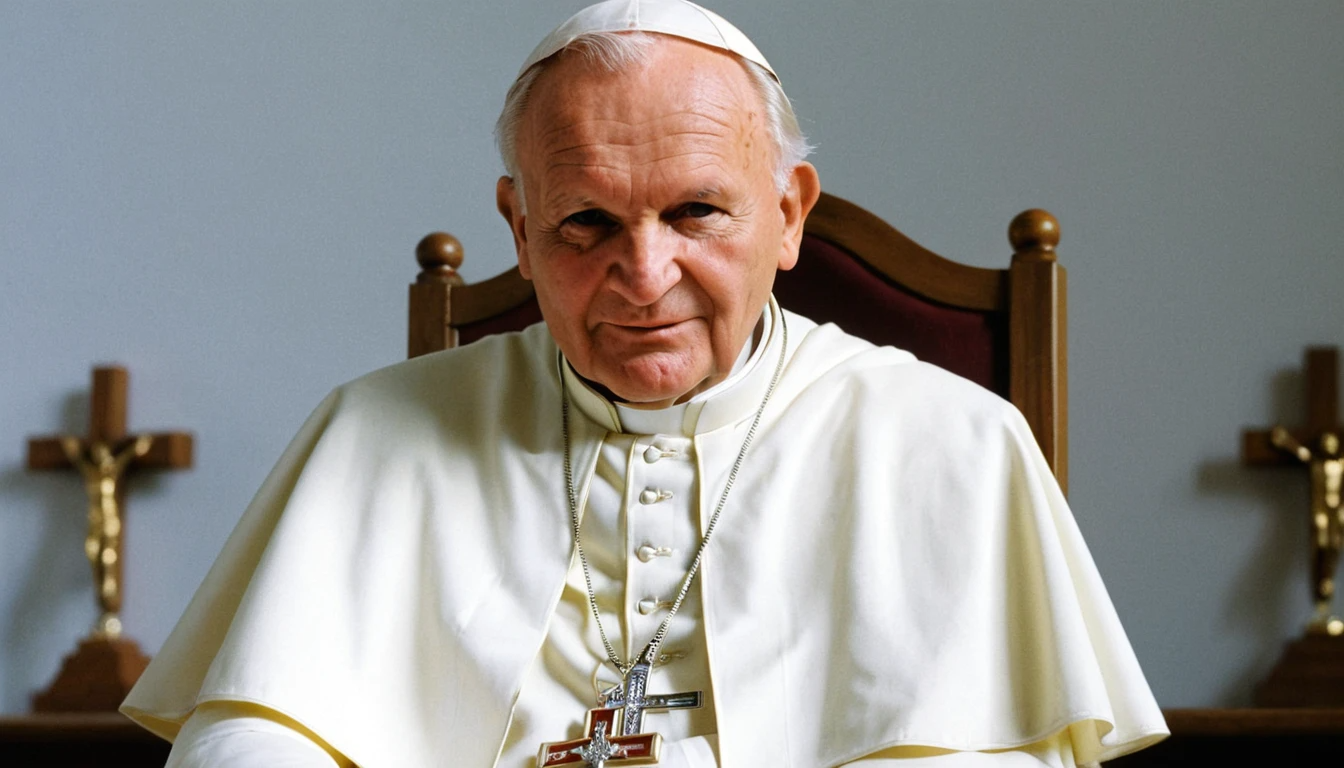
Pope John Paul II’s eloquent use of English reshaped religious and moral discourse worldwide. Through speeches, encyclicals, and poetic works, he introduced powerful terms like “solidarity” and “freedom of conscience,” making Catholic teachings accessible. His legacy remains a testament to language’s power in promoting human dignity, unity, and spiritual truth.
-
The 1954 Brown v. Board of Education ruling didn’t just end legal segregation—it redefined the language of justice. Terms like “inherently unequal” and “equal protection” transformed legal, cultural, and activist discourse, embedding powerful moral vocabulary into everyday English and marking a pivotal shift in how America spoke about race and rights.
-
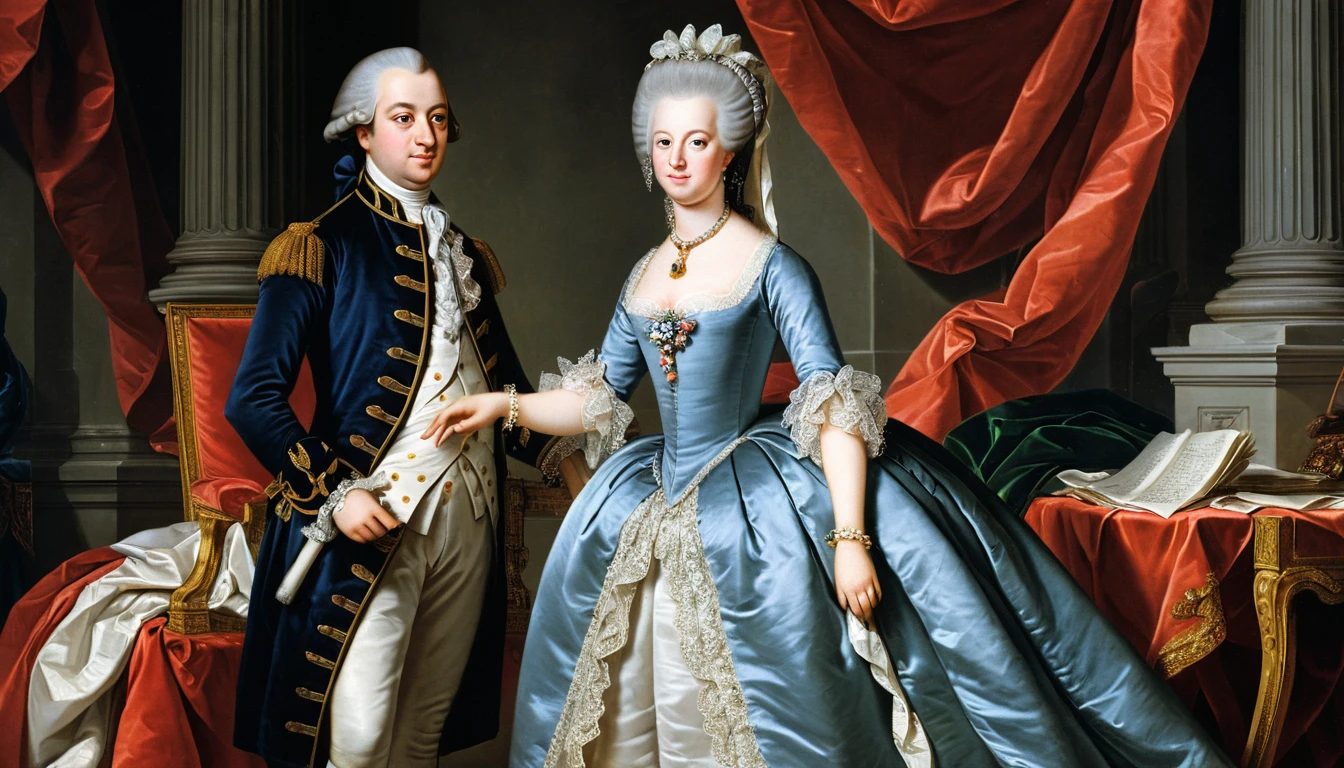
The 1770 marriage of Marie Antoinette and Louis XVI symbolized dynastic unity, but its collapse fueled revolutionary rhetoric. From “let them eat cake” to “gilded cage,” their legacy reshaped English, embedding metaphors of excess, rebellion, and downfall into everyday language. Their story still echoes in political and cultural discourse today.
-
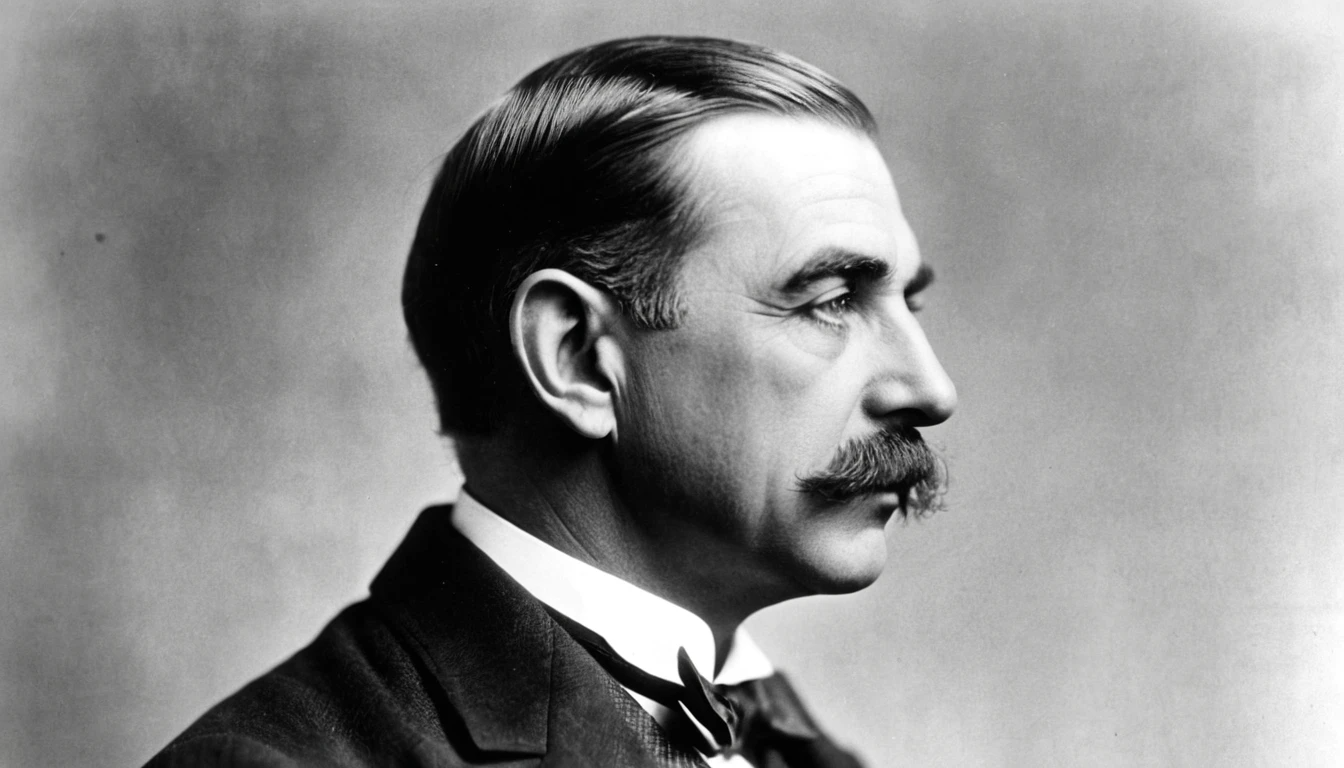
L. Frank Baum, born May 15, 1856, redefined American fantasy with The Wonderful Wizard of Oz. More than a storyteller, he gave English enduring metaphors like “yellow brick road” and “there’s no place like home.” His legacy shaped both imagination and idiom, embedding Oz into the heart of cultural language.
-
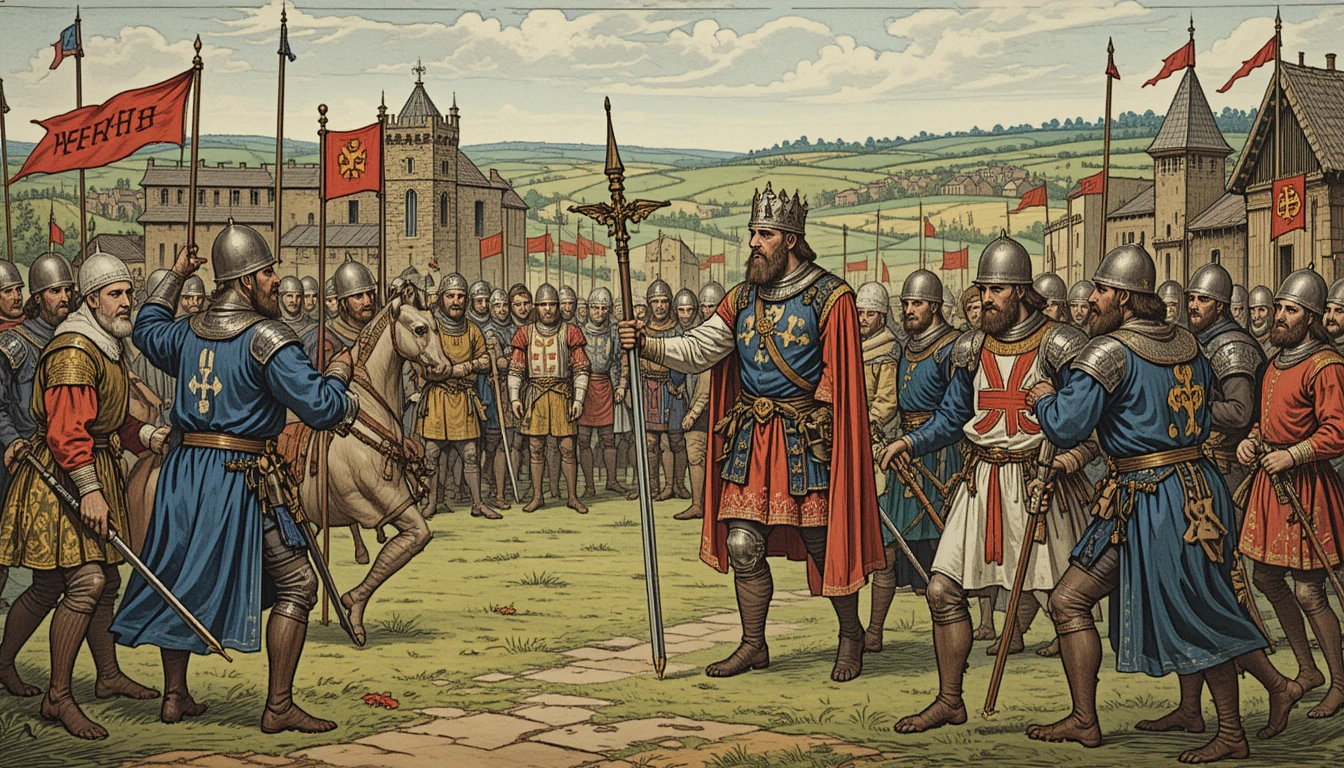
The Battle of Lewes in 1264, led by Simon de Montfort, reshaped English constitutional language. Terms like mise, rebellion, and parliament emerged from the conflict, redefining power, reform, and representation. Though brief, this baronial victory marked a lasting linguistic and political turning point in England’s march toward parliamentary governance.
-
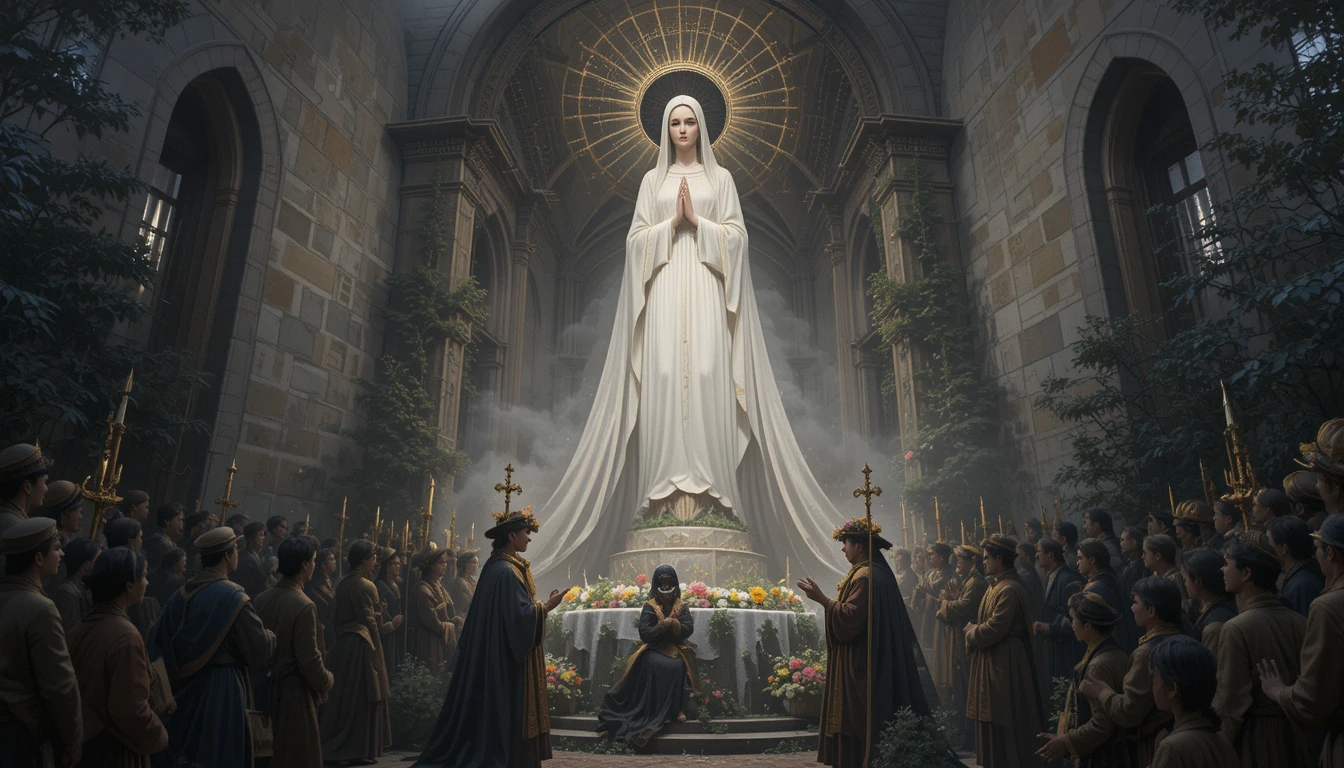
The first apparition at Fátima on May 13, 1917, not only moved hearts but transformed language. From “Marian devotion” to “pilgrimage,” the event seeded a sacred lexicon that reshaped English religious discourse, embedding Portuguese spirituality into global vocabulary with enduring theological, cultural, and political resonance.
-
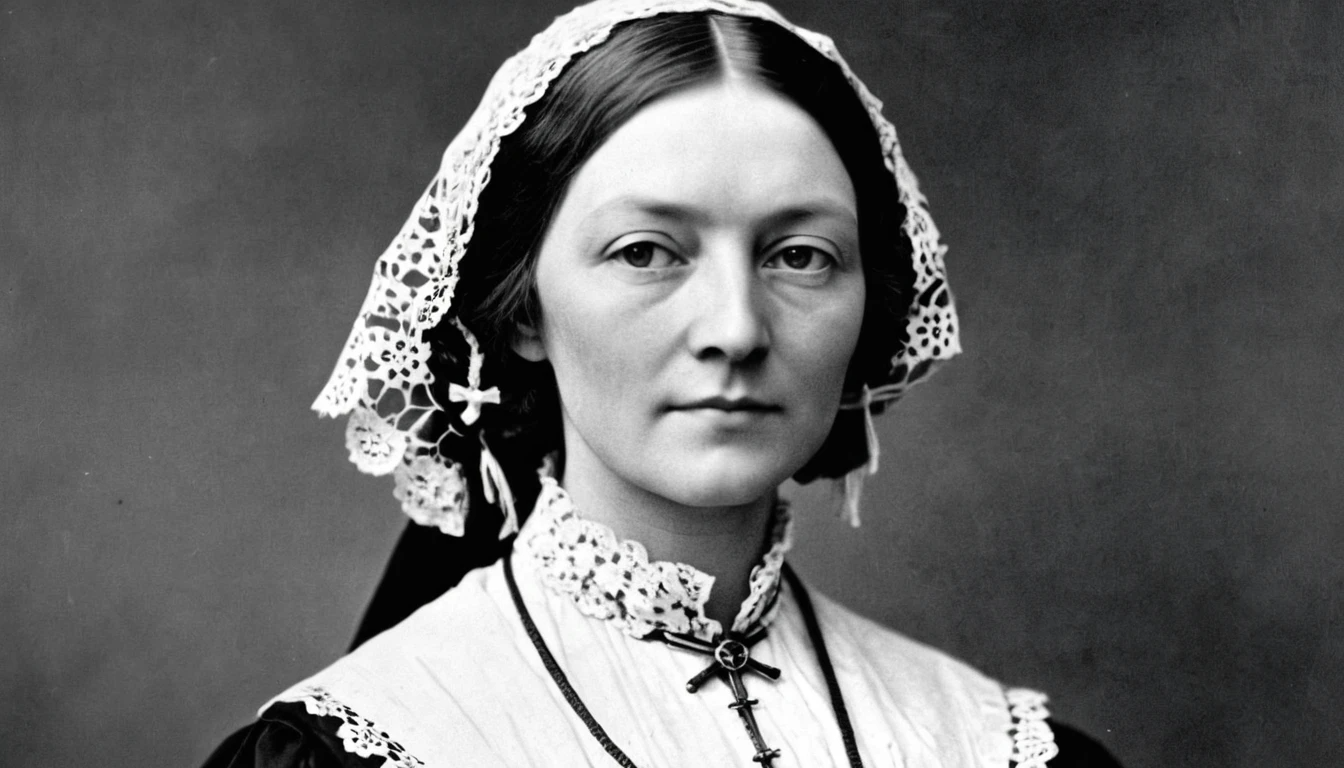
Florence Nightingale transformed not just hospitals, but the English language. By redefining nursing as a profession, she introduced clarity, compassion, and scientific precision into healthcare vocabulary. Her writing, rich in moral urgency and didactic elegance, continues to influence how we speak about care, responsibility, and public health in English today.