
2025 May
-
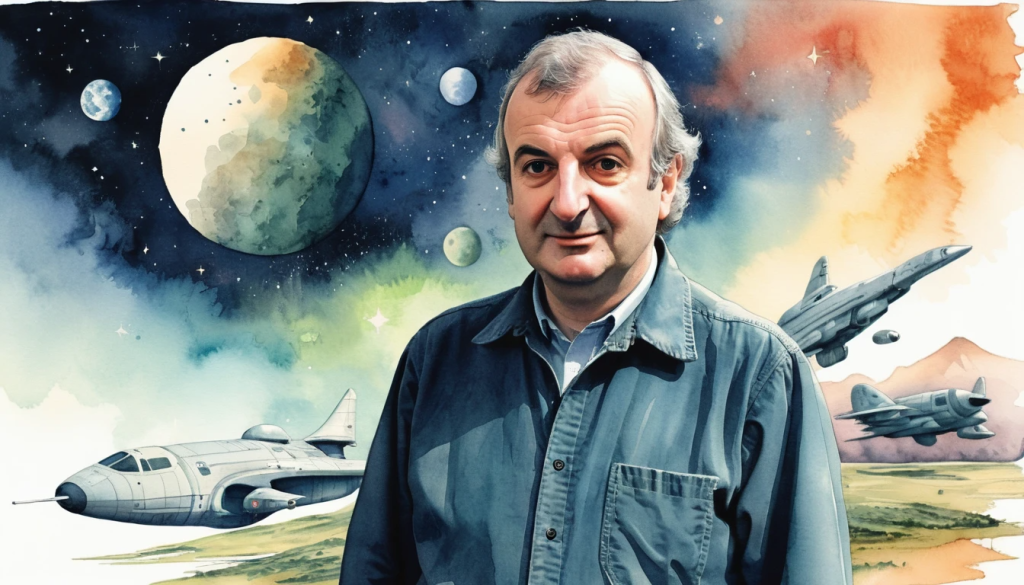
Douglas Adams redefined science fiction with wit, whimsy, and philosophical depth. Through The Hitchhiker’s Guide to the Galaxy, he showed that humor could probe the cosmos, bureaucracy, and meaning itself—often all at once. His playful language reshaped English, proving that absurdity and insight can share the same towel.
-
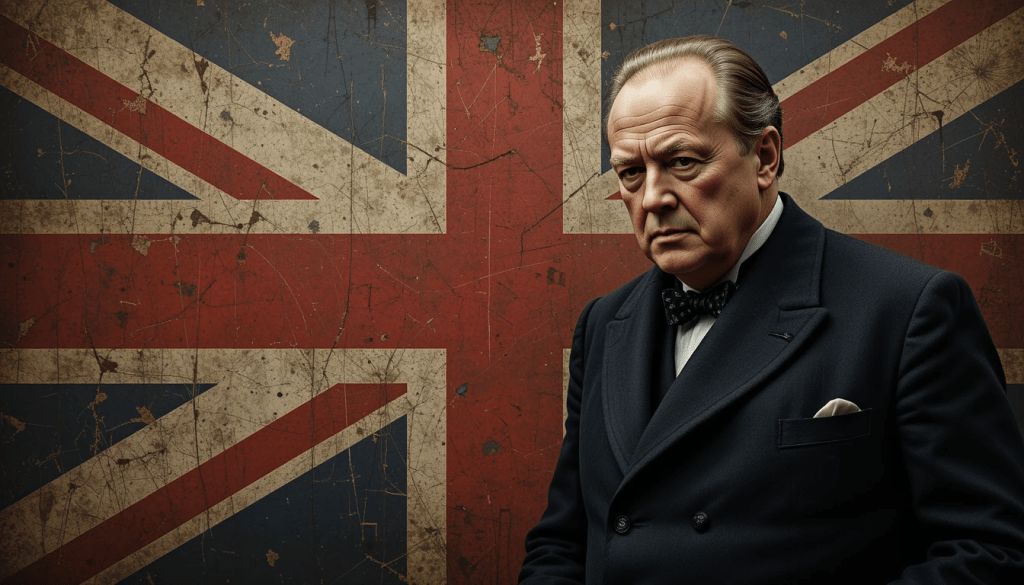
On May 10, 1940, Winston Churchill became Prime Minister and forged a legacy through language. His wartime speeches stirred defiance, hope, and unity. With each phrase, he fortified a nation, proving that in the darkest hours, words—sharp, resolute, and poetic—could rally millions, shape identity, and define the language of leadership.
-

J.M. Barrie, born May 9, 1860, gave the world Peter Pan—a timeless symbol of youth and wonder. His lyrical prose, emotional depth, and whimsical invention shaped children’s literature and fantasy forever, blending joy with introspection and crafting a language where belief, imagination, and eternal childhood continue to thrive across generations.
-
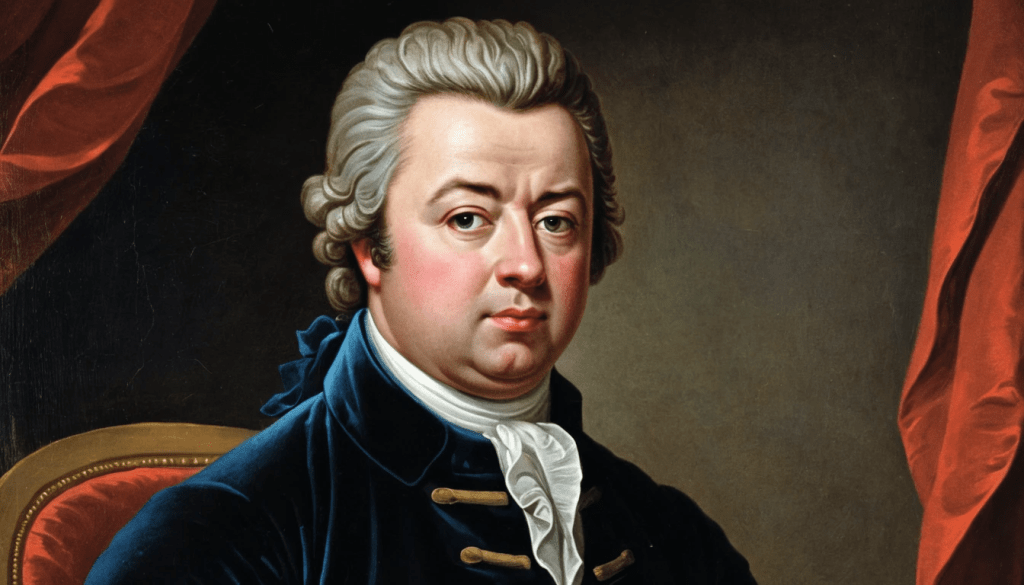
Edward Gibbon revolutionized historical writing with The Decline and Fall of the Roman Empire, blending scholarly rigor, Enlightenment reasoning, and literary elegance. His critical method, eloquent prose, and fearless inquiry helped redefine history—not merely as a record of facts, but as a profound exploration of civilization’s rise and fall.
-
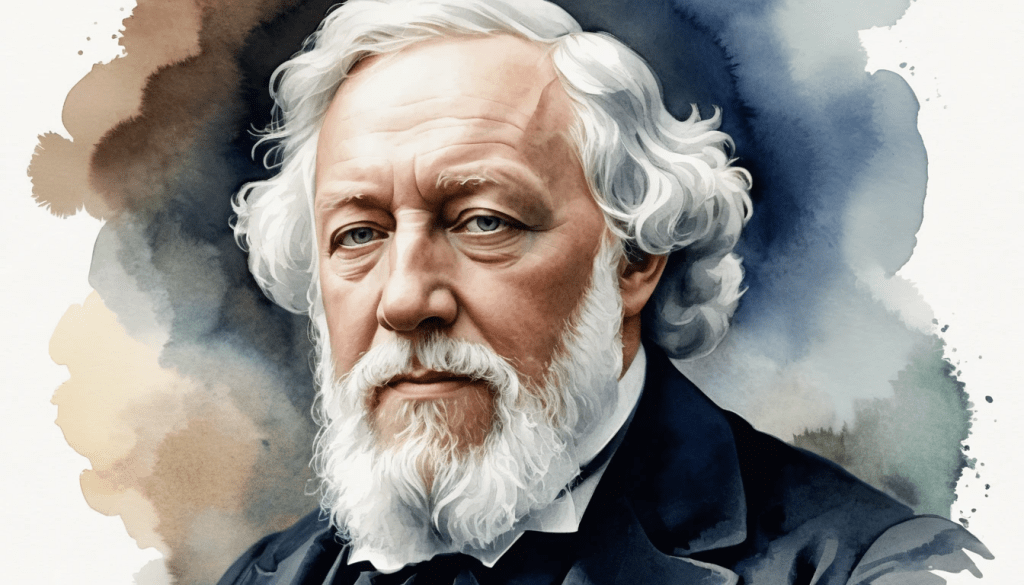
Robert Browning revolutionized English poetry with his bold dramatic monologues and psychological depth. His works, rich in introspection and formal innovation, gave voice to complex inner lives and moral ambiguity, leaving an enduring impact on literary culture and shaping the way language captures the intricacies of human thought and emotion.
-

Yaeko Nogami, born in 1885, reshaped modern Japanese literature with her introspective prose and subtle feminist voice. Her novels and essays explored social change, women’s roles, and cultural identity, bridging Japanese and Western literary worlds. Through quiet brilliance, she carved a space for women in a traditionally male-dominated literary sphere.
-
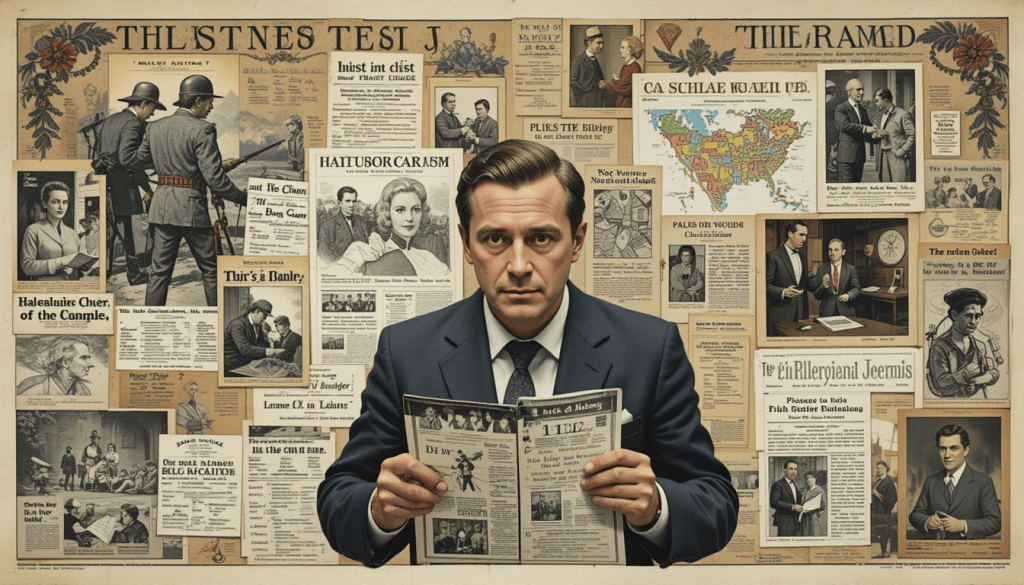
Christopher Morley (1890–1957), a celebrated American journalist and novelist, is remembered for his charming tributes to the literary world. His novels Parnassus on Wheels and The Haunted Bookshop showcase a deep affection for books, blending wit, warmth, and insight into the lives of readers and booksellers.
-
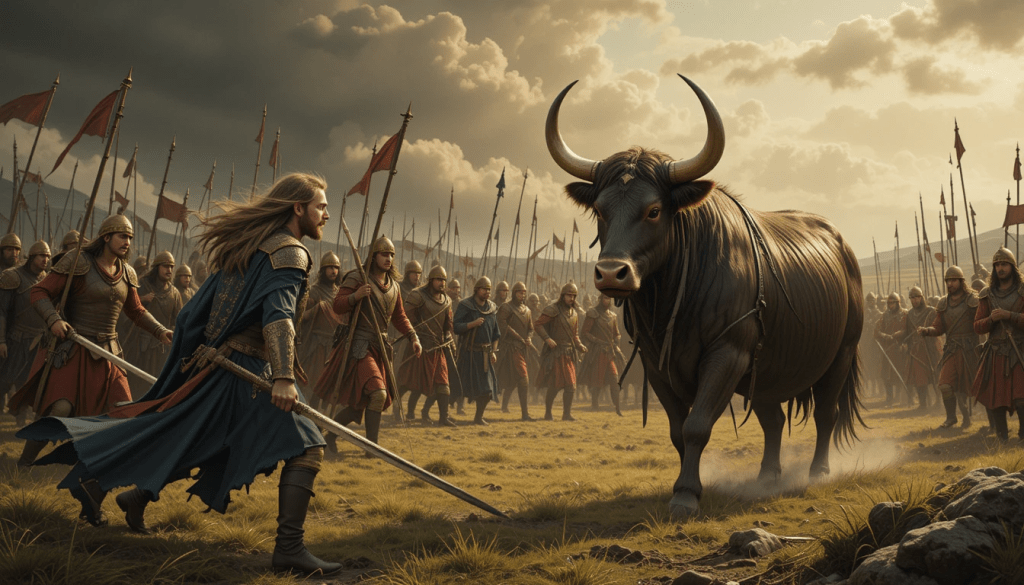
Thomas Kinsella, born in 1928, reshaped Irish poetry with introspective depth, modernist innovation, and political resonance. His translation of The Táin and original works forged a bridge between myth and modernity, making Irish-English a profound medium for exploring identity, memory, and national trauma across both local and global landscapes.
-
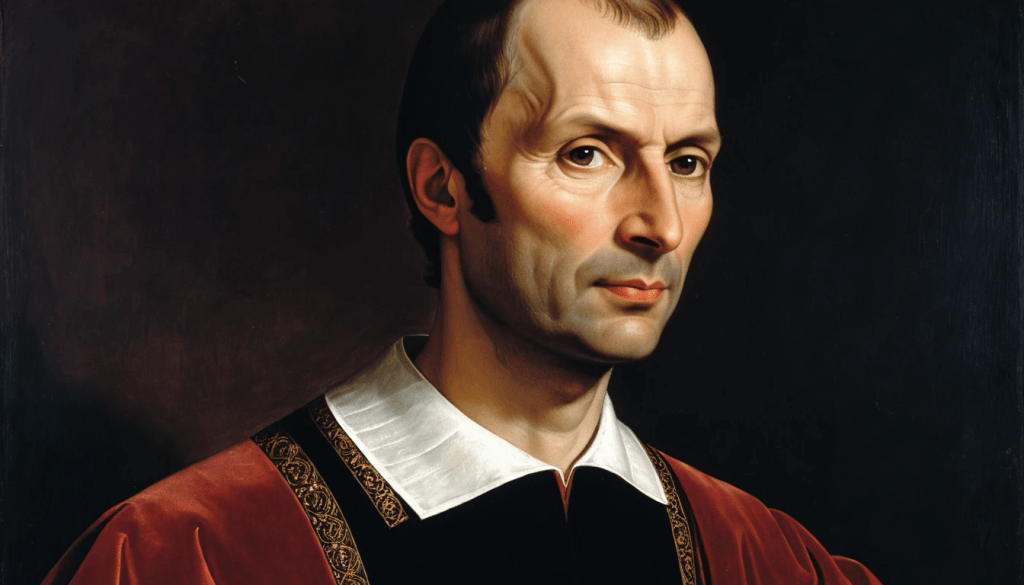
Born in 1469, Niccolò Machiavelli shaped political thought with The Prince, redefining power, leadership, and ethics. His name lives on in terms like “Machiavellian,” enriching English with a vocabulary for realpolitik, manipulation, and strategic rule—making his influence felt in both modern politics and literature centuries later.
-
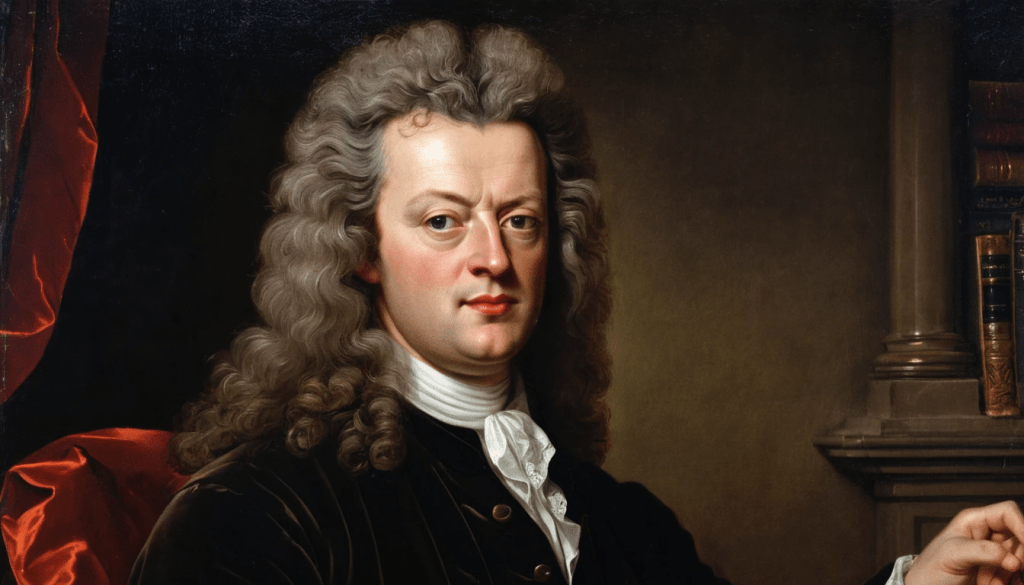
Born on May 1, 1672, Joseph Addison revolutionized English prose through The Spectator, co-founded with Richard Steele. His elegant, moral essays defined journalistic clarity, civic responsibility, and literary style, shaping not only public discourse in 18th-century England but also the language and values of generations of English writers and thinkers.
 What Happened on This Day?