
2026 September
-

W. S. Merwin transformed American poetry through silence, memory, translation, environmental attention, and a spare style that allowed the living world room to speak.
-
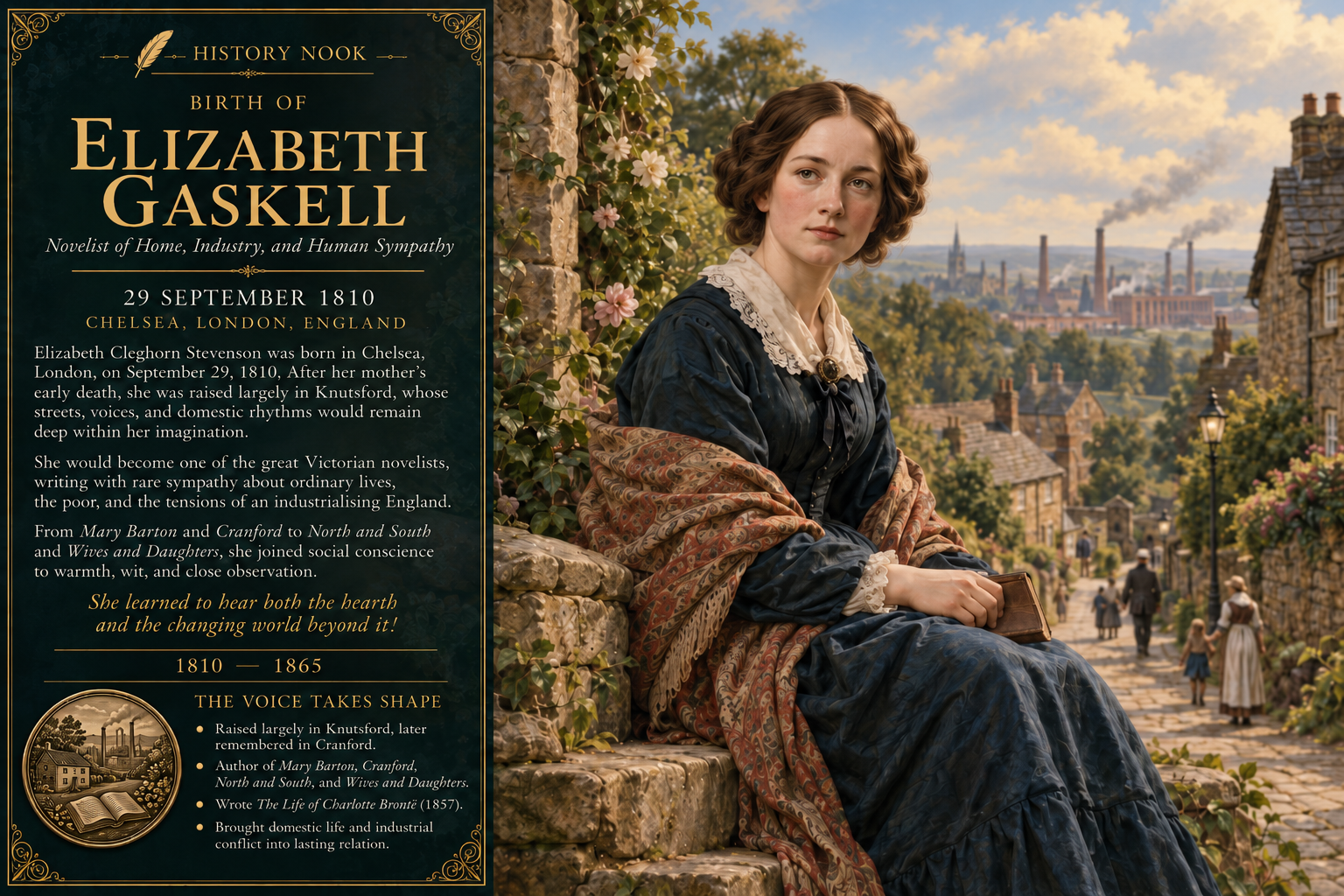
Elizabeth Gaskell turned industrial Manchester, class conflict, domestic life, women’s experience, and social misunderstanding into some of Victorian fiction’s most humane novels.
-

William Empson transformed literary criticism by showing how ambiguity, contradiction, multiple meanings, and close attention to language could reveal the complexity of literature.
-
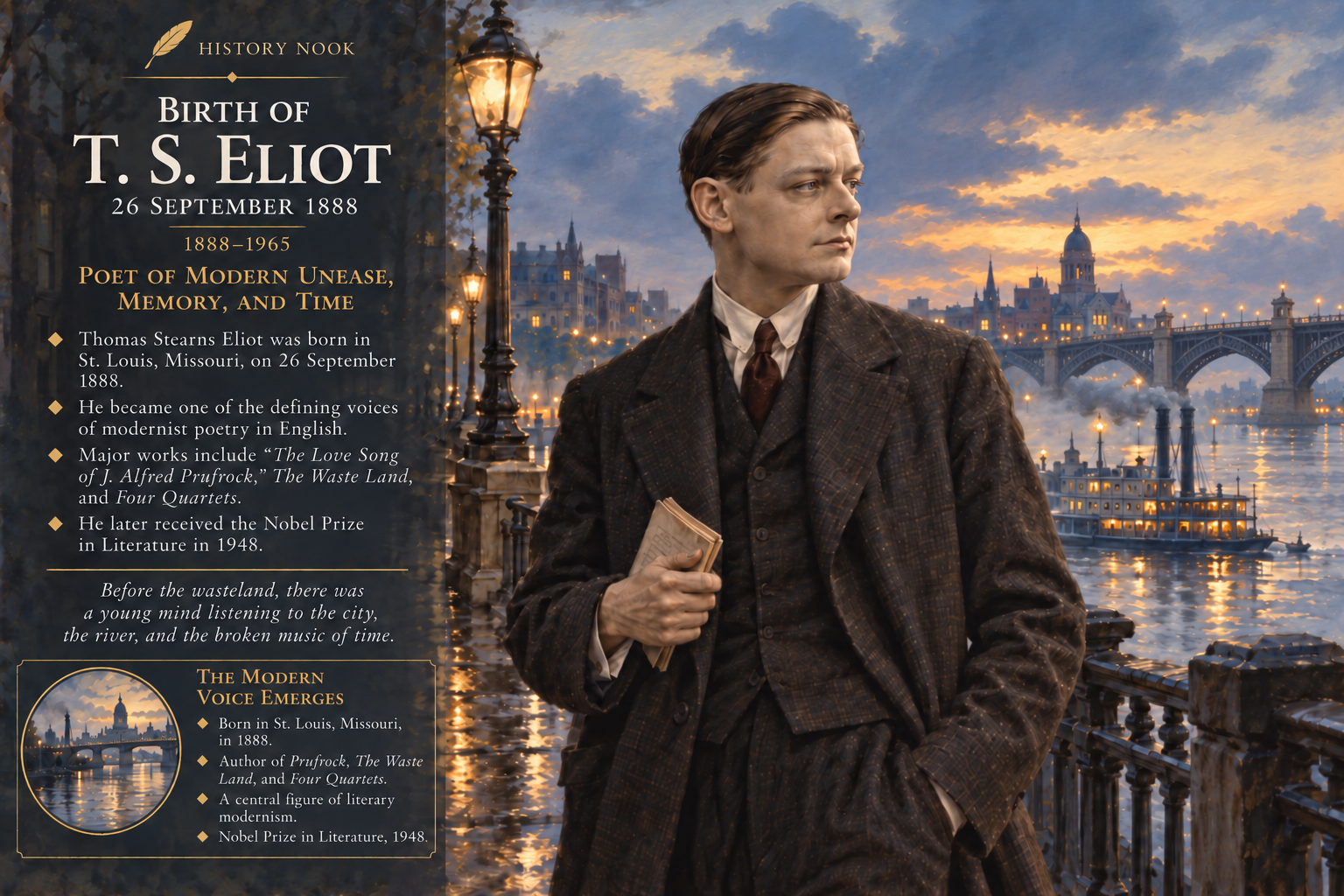
T. S. Eliot transformed modern poetry through fractured voices, urban experience, literary memory, spiritual doubt, and a new understanding of how the past survives inside the present.
-
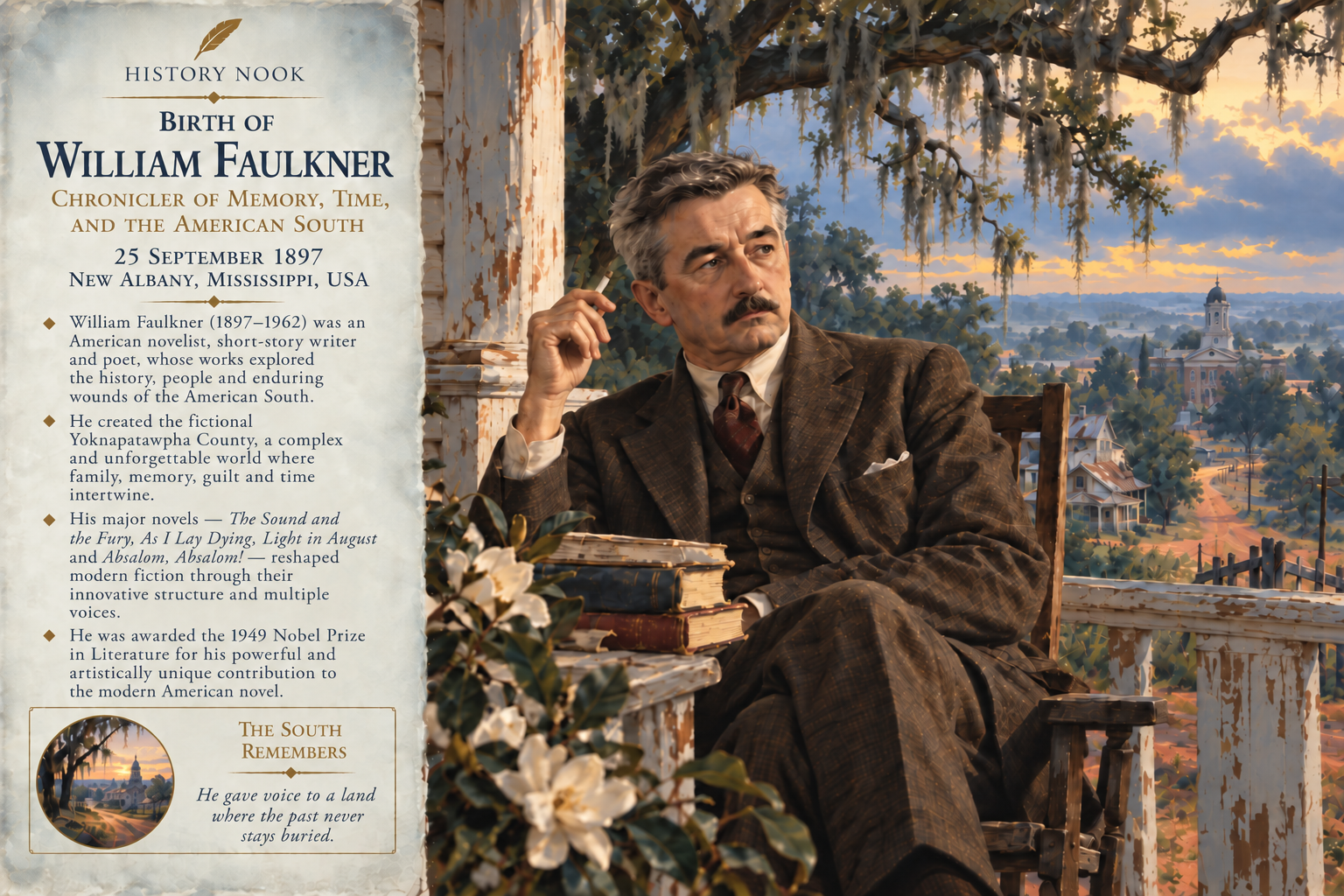
William Faulkner transformed Mississippi into Yoknapatawpha County, using memory, fractured time, multiple voices, family history, and the burden of the past to reshape modern fiction.
-
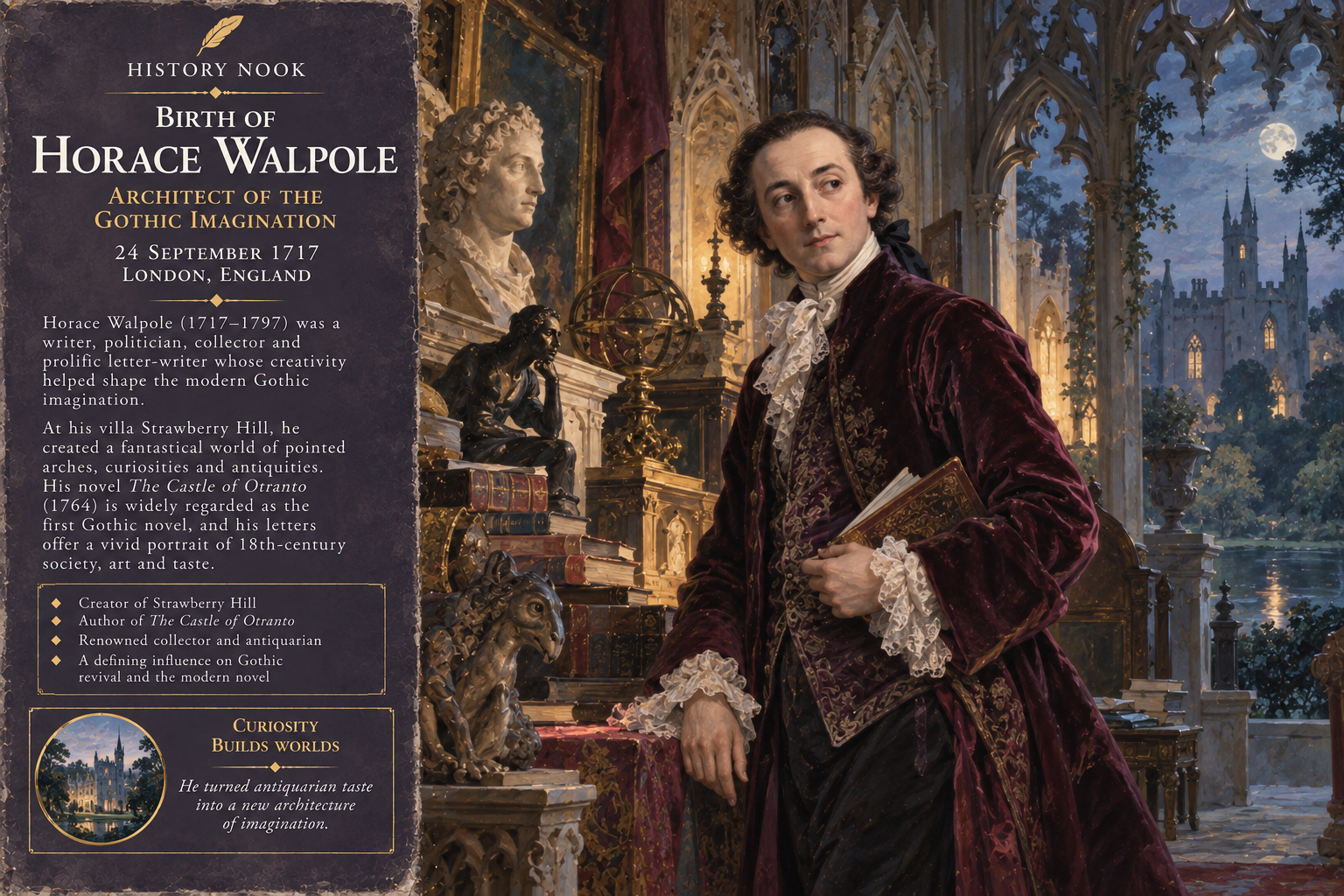
Horace Walpole turned medieval architecture, collecting, dreams, and the supernatural into Strawberry Hill and The Castle of Otranto, helping give birth to Gothic fiction.
-

Wilkie Collins transformed Victorian sensation fiction through secrets, evidence, conflicting witnesses, legal identities, and mysteries that taught readers to distrust appearances.
-
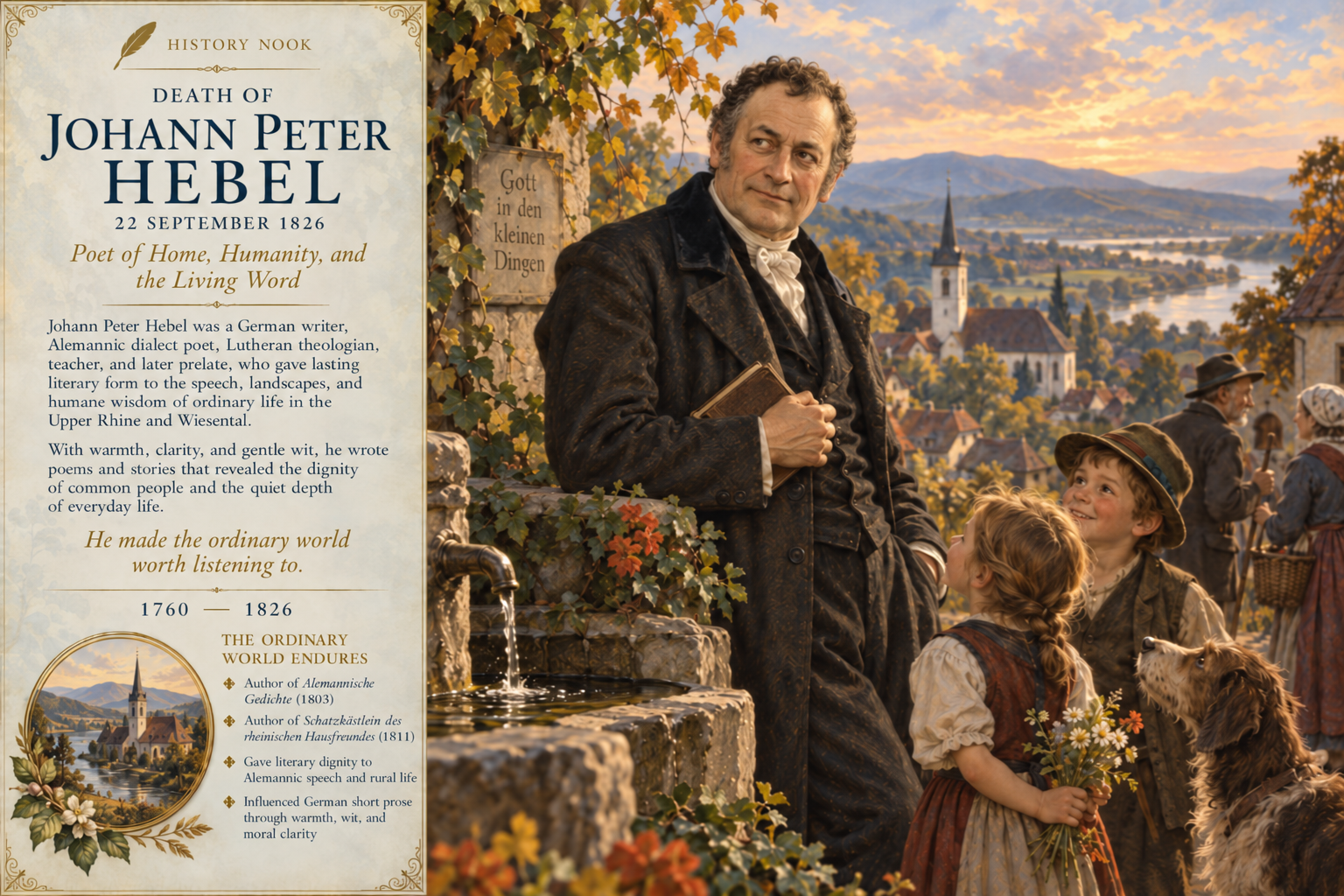
Johann Peter Hebel transformed Alemannic dialect and the humble calendar story into enduring literature shaped by humour, clarity, brevity, and everyday wisdom.
-

H. G. Wells transformed scientific possibility into stories about time, evolution, technology, class, invasion, and the consequences hidden inside humanity’s imagined future.
-
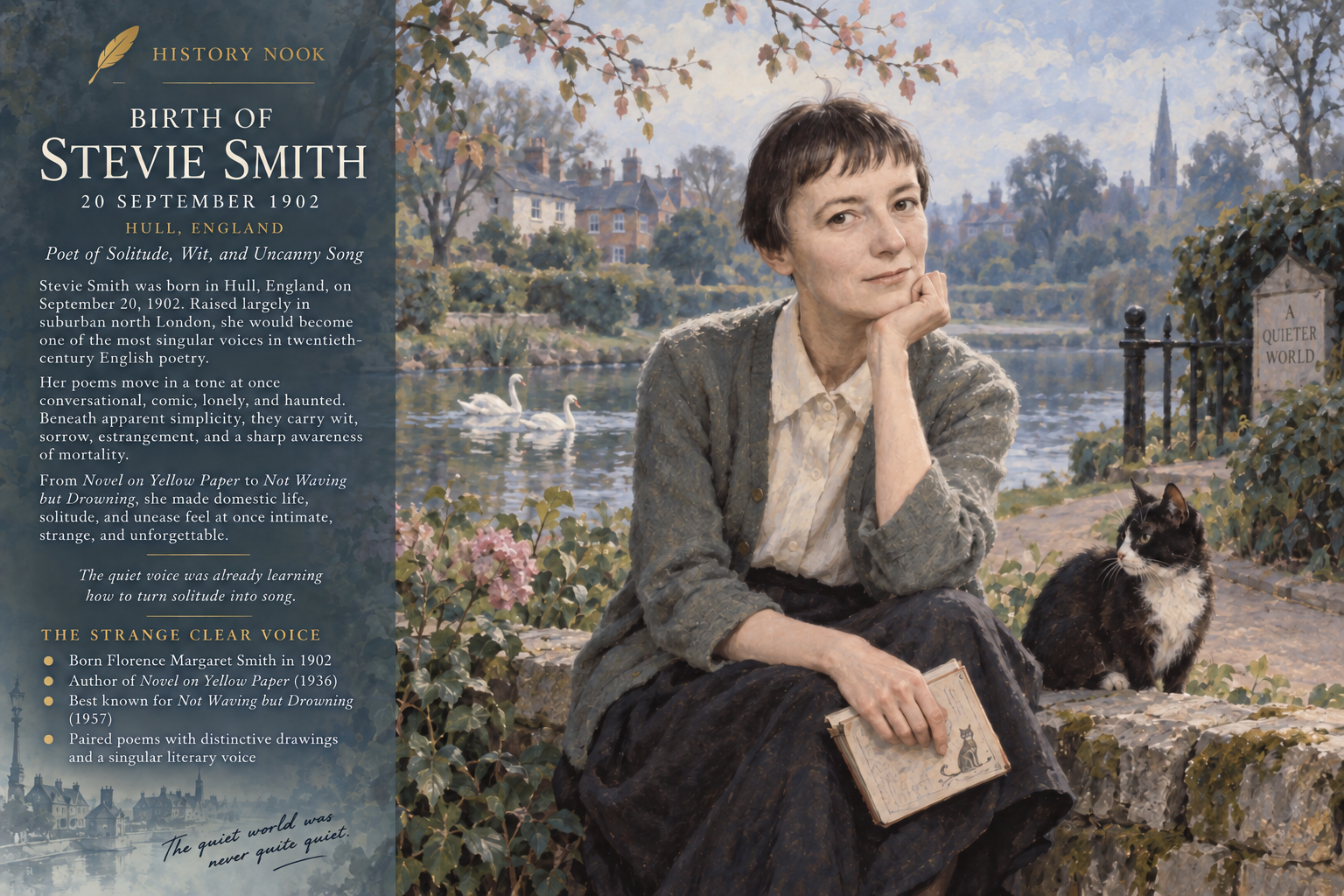
Stevie Smith turned nursery-rhyme rhythms, wit, doodles, suburbia, loneliness, and death into poetry whose lightness made its darkest meanings sharper.