
What Happened on This Day?
-
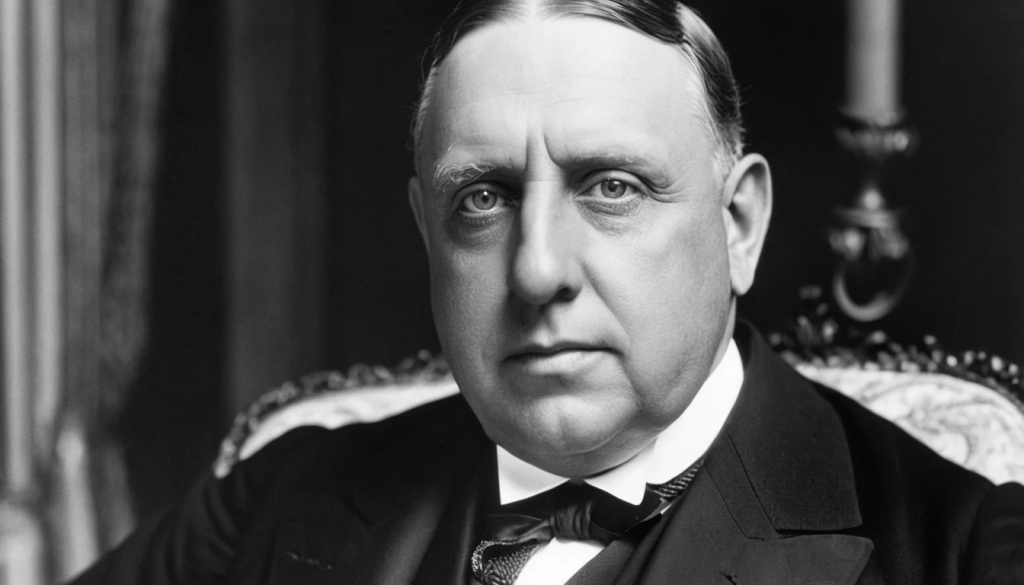
William Randolph Hearst reshaped journalism with bold headlines, emotional storytelling, and sensational content that redefined public discourse. His media empire gave rise to terms like “yellow journalism” and “scoop,” leaving a lasting linguistic imprint. Hearst’s influence still echoes in modern news, media ethics, and how we understand power through language.
-
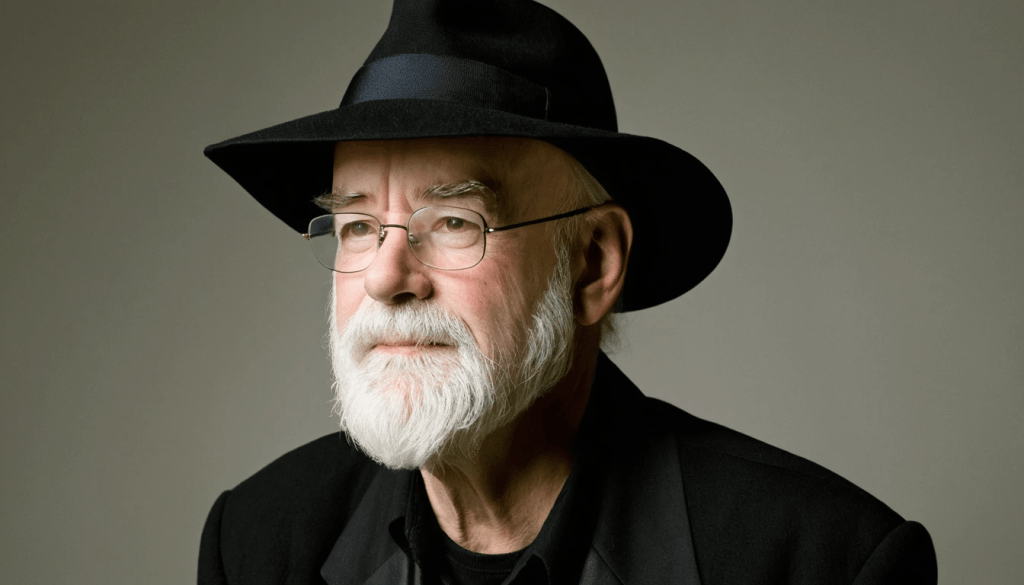
Born April 28, 1948, Sir Terry Pratchett transformed fantasy fiction with wit, insight, and linguistic creativity. His Discworld series redefined storytelling, blending humor with profound reflection. Through playful neologisms, sharp metaphors, and vivid dialogue, Pratchett revitalized English, leaving a timeless legacy of imagination, empathy, and brilliant satire.
-
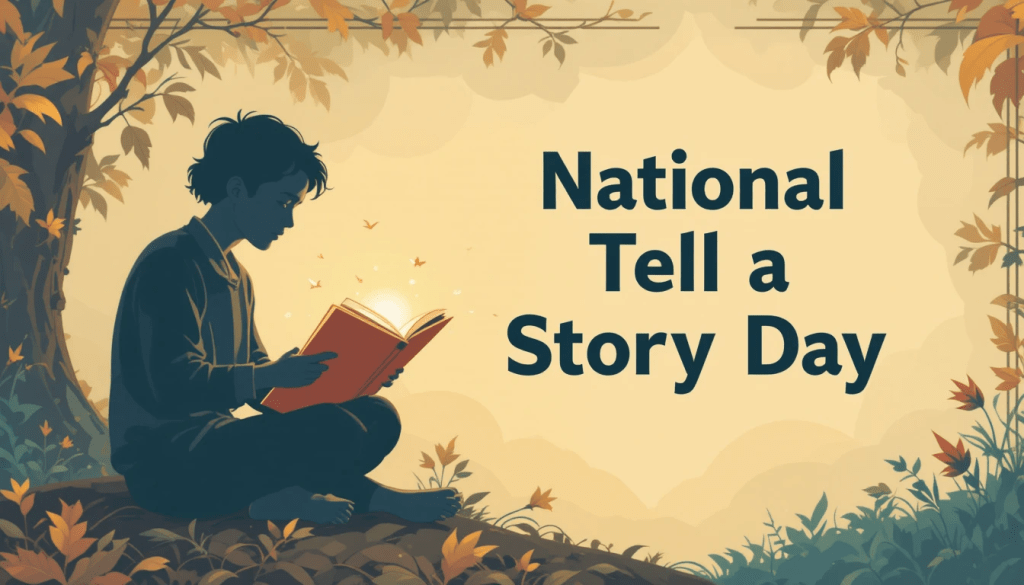
Observed every April 27, National Tell a Story Day celebrates the timeless art of storytelling. From ancient myths to digital narratives, storytelling shapes how we think, feel, and communicate. It enriches English with vibrant vocabulary, powerful expressions, and new media forms, keeping the language dynamic and deeply human.
-
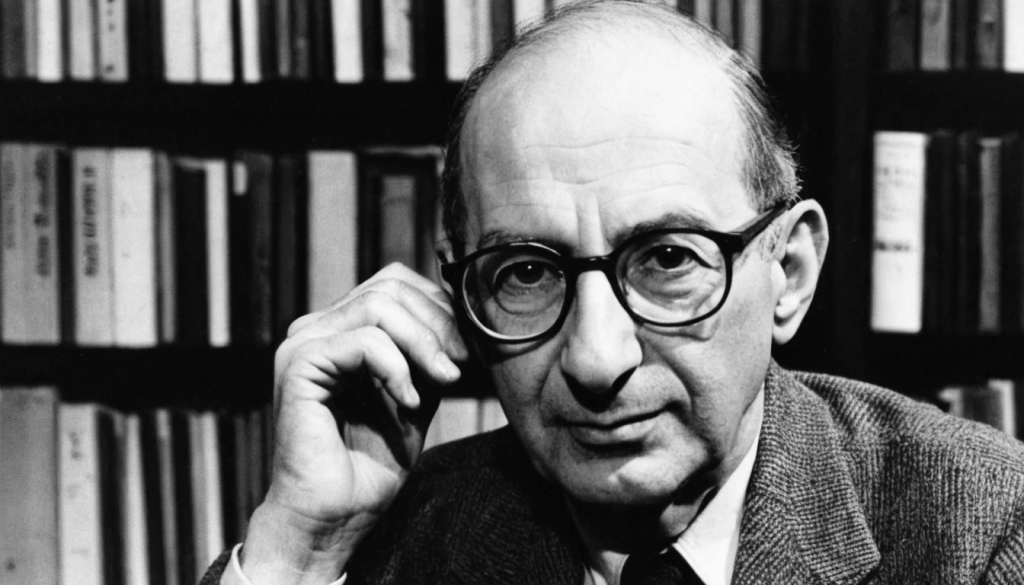
Bernard Malamud transformed American literature by blending European Jewish tradition with American realism. Through his simple yet symbolic prose, he expanded the expressive power of English fiction, giving voice to marginalized figures and making moral redemption a central theme that continues to resonate across generations.
-
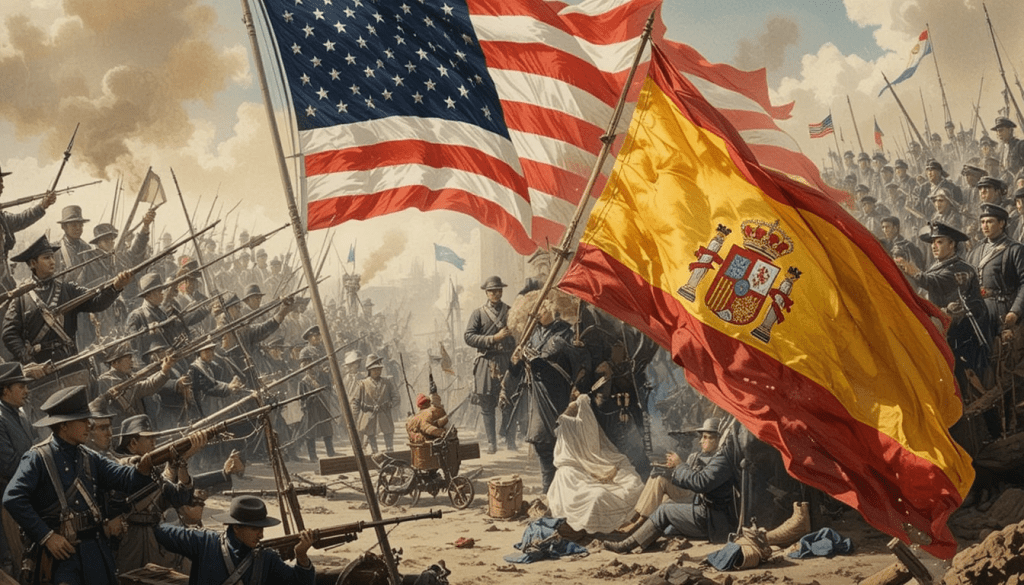
On April 25, 1898, the U.S. declared war on Spain, launching a short yet transformative conflict. The Spanish-American War not only signaled America’s global rise, but also expanded English vocabulary with terms like yellow journalism, Rough Riders, and imperialism, reshaping the language of war, media, and foreign policy.
-
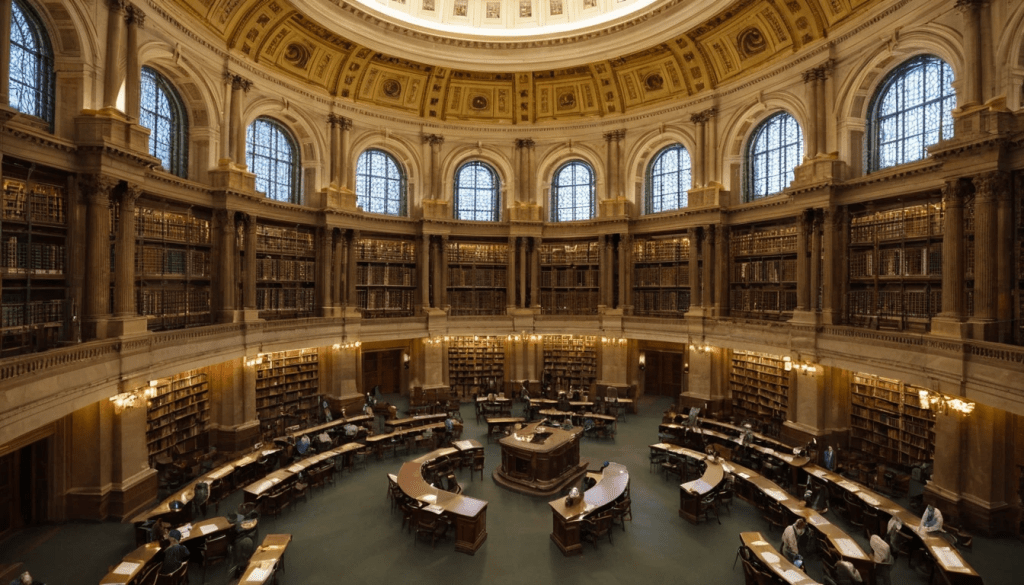
Founded on April 24, 1800, the Library of Congress began as a small resource for lawmakers and grew into the largest library in the world. It now preserves and promotes the English language through historic texts, modern media, educational outreach, and digitized archives—shaping how English is studied, spoken, and shared globally.
-
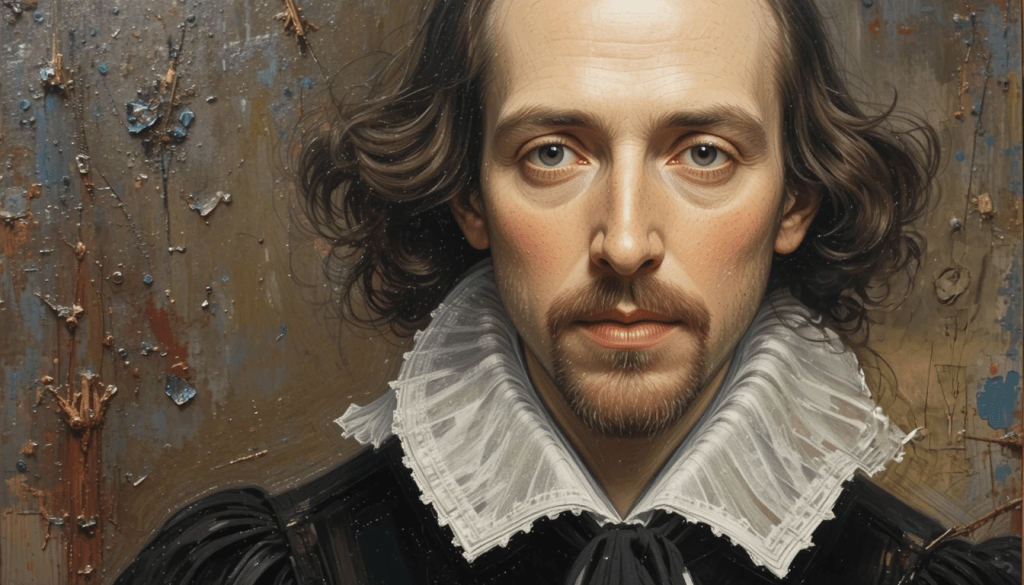
April 23rd marks both the traditional birth and death date of William Shakespeare, the literary giant who transformed English forever. His coinage of words like lonely, swagger, and eyeball enriched the language, while timeless phrases like break the ice still echo in everyday speech, affirming his enduring cultural and linguistic impact.
-
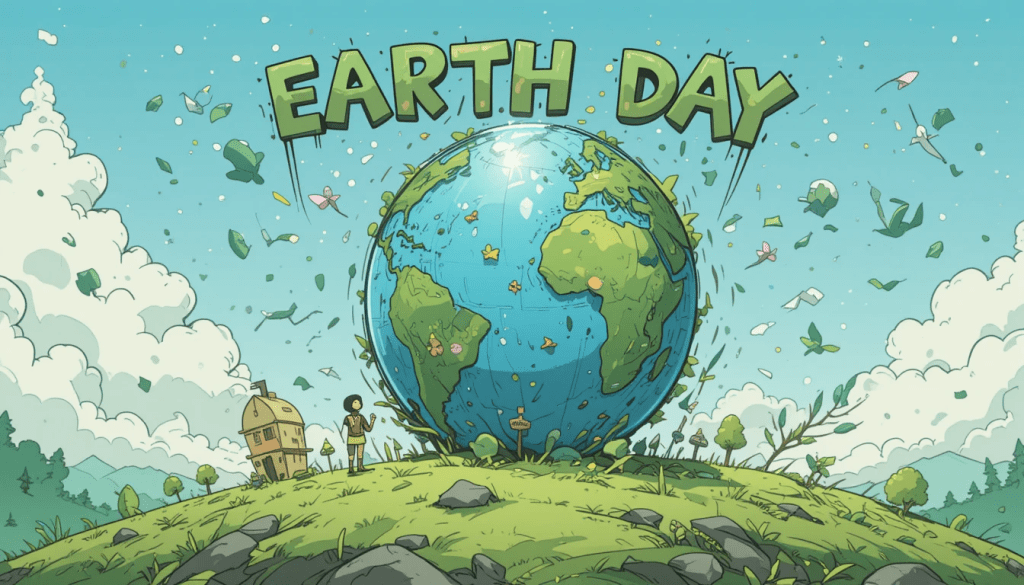
April 22, 1970, marked more than the first Earth Day—it sparked a revolution in how we talk about the planet. From “environmentalism” to “sustainability,” it seeded a new vocabulary of awareness, activism, and ecological responsibility, shaping how English expresses our growing relationship with nature and the urgency to protect it.
-
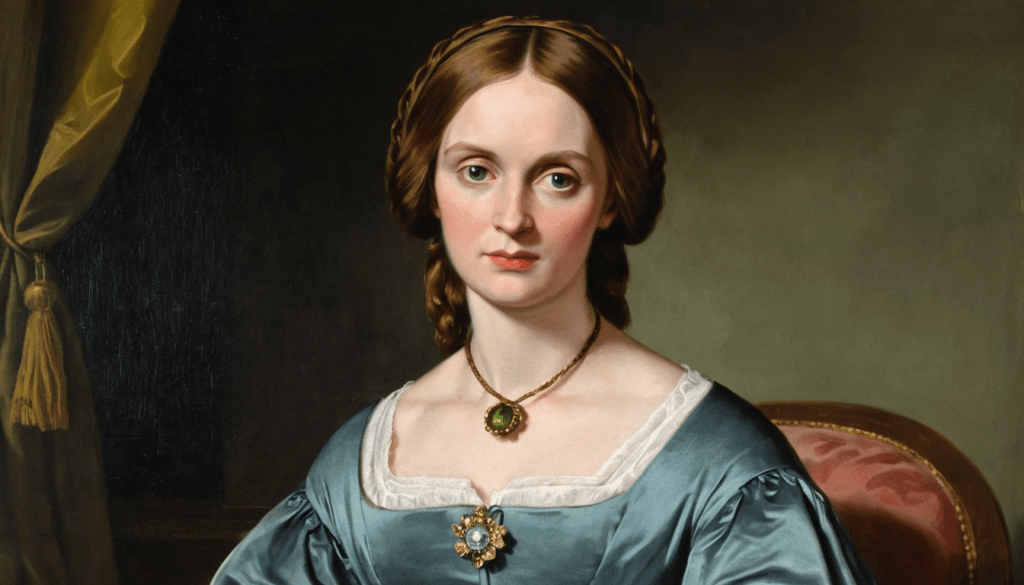
Born on April 21, 1816, Charlotte Brontë transformed the English novel with her emotional precision, moral clarity, and bold female characters. Through Jane Eyre and beyond, she gave voice to women’s inner lives and challenged Victorian norms, leaving a lasting mark on literature, language, and feminist thought.
-
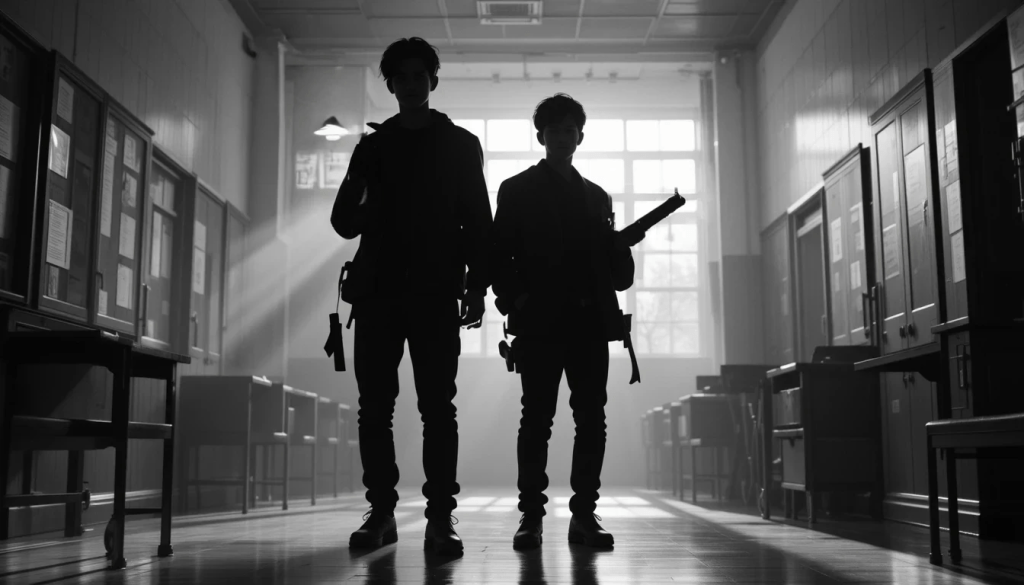
The Columbine tragedy of April 20, 1999, not only shook the nation but also transformed its language. Terms like school shooting, zero tolerance, and lockdown drill became part of everyday discourse, shaping how society addresses school safety, mental health, and youth advocacy in the aftermath of crisis.
 What Happened on This Day?