
2025 April
-

Émile Zola transformed modern fiction by introducing a detailed, unflinching realism that entered English through translation. His focus on social conditions, environment, and working-class life expanded narrative possibilities and vocabulary. By emphasizing observation and determinism, he helped shape a more precise, grounded, and socially engaged style in English literature and storytelling.
-
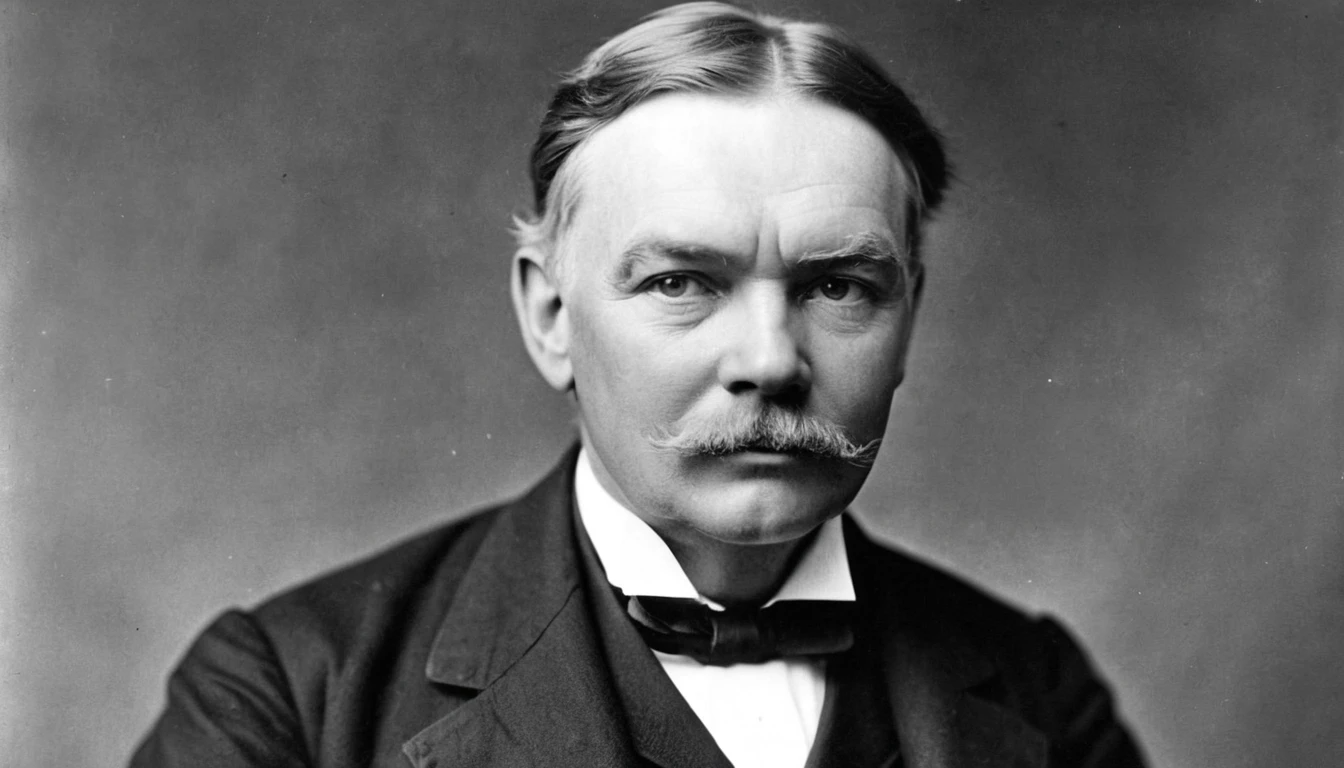
Born on May 2, 1859, Jerome K. Jerome transformed English comic literature with Three Men in a Boat. His light-hearted wit, conversational style, and humorous view of everyday life shaped a lasting comic tradition, influencing generations of writers and leaving a permanent mark on the English literary and linguistic landscape.
-
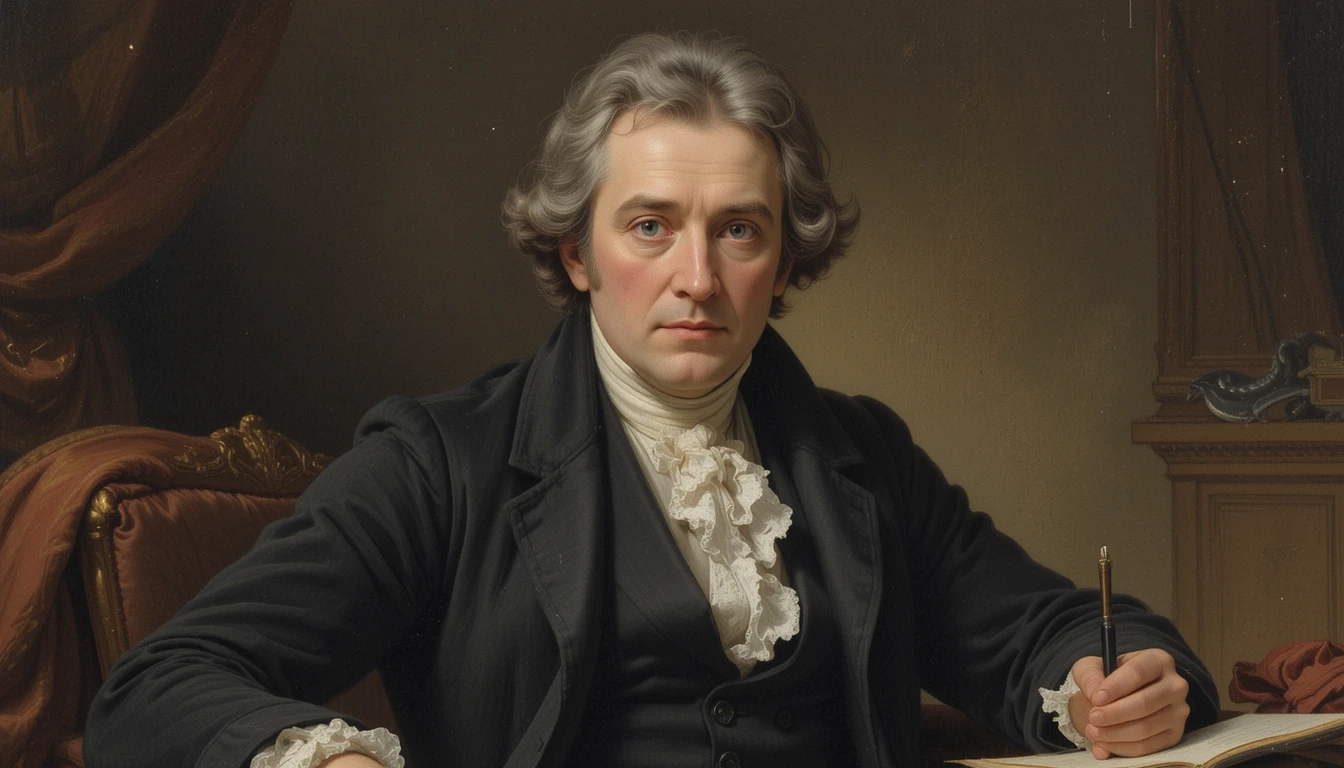
Richard Cumberland’s The Eccentric Lover exemplified sentimental comedy, introducing phrases like “man of feeling” and “virtuous heroine” into English. His works promoted empathy, reform, and social inclusion, shaping both the emotional tone of 18th-century theatre and the broader vocabulary of English moral and cultural discourse for generations to come.
-
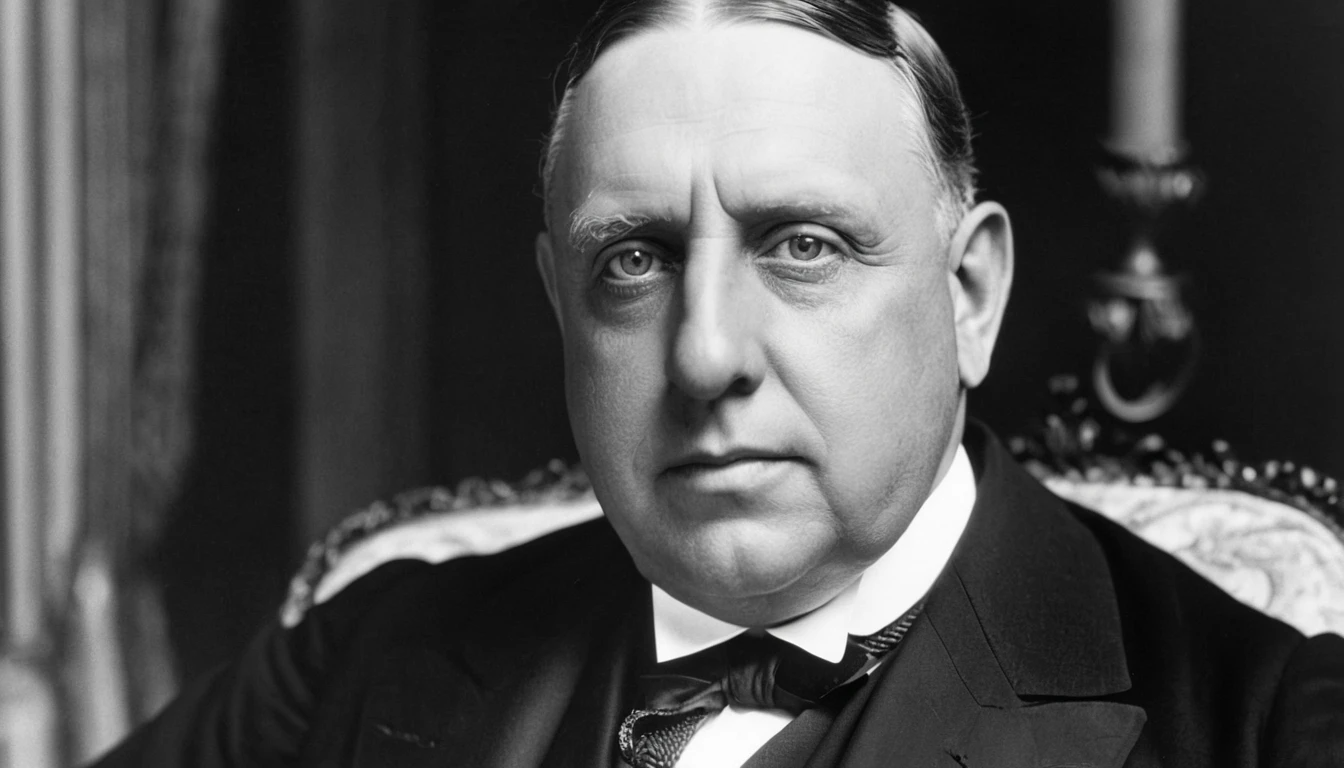
William Randolph Hearst reshaped journalism with bold headlines, emotional storytelling, and sensational content that redefined public discourse. His media empire gave rise to terms like “yellow journalism” and “scoop,” leaving a lasting linguistic imprint. Hearst’s influence still echoes in modern news, media ethics, and how we understand power through language.
-
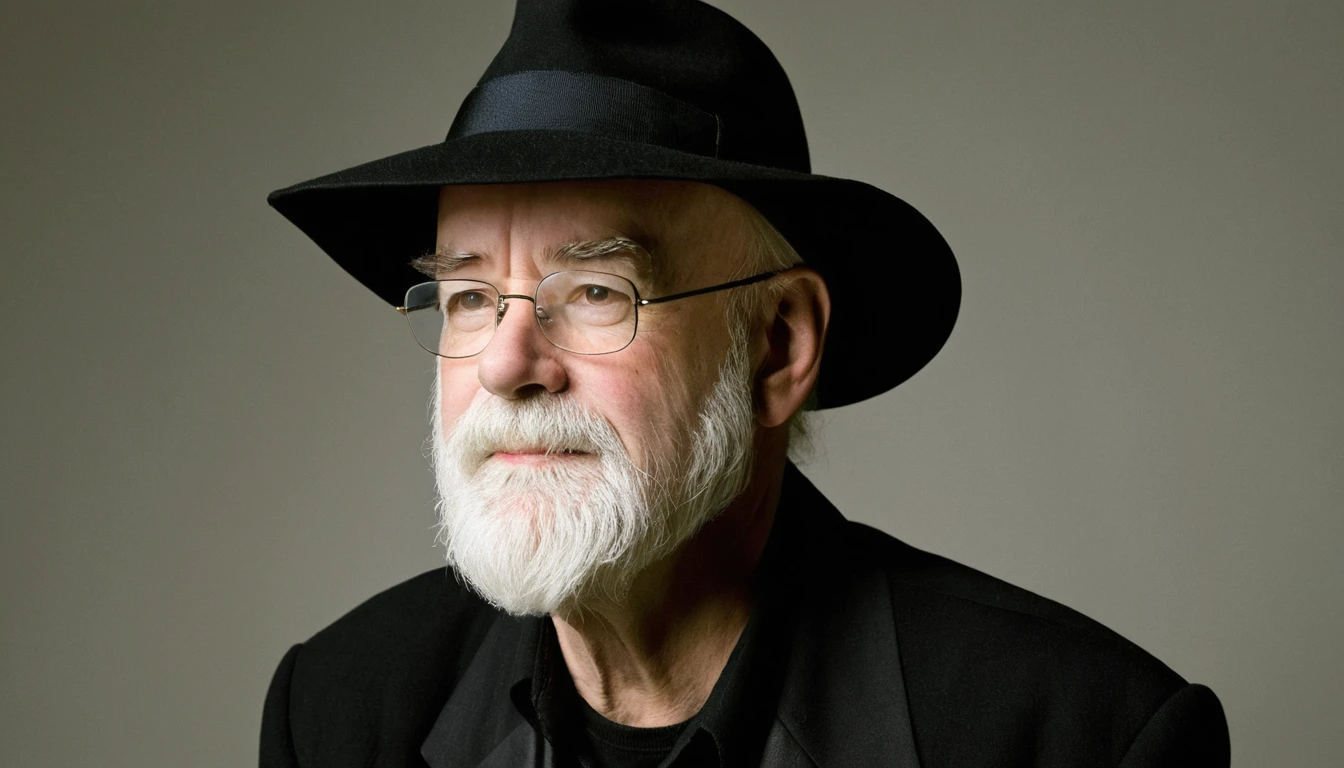
Born April 28, 1948, Sir Terry Pratchett transformed fantasy fiction with wit, insight, and linguistic creativity. His Discworld series redefined storytelling, blending humor with profound reflection. Through playful neologisms, sharp metaphors, and vivid dialogue, Pratchett revitalized English, leaving a timeless legacy of imagination, empathy, and brilliant satire.
-
Observed every April 27, National Tell a Story Day celebrates the timeless art of storytelling. From ancient myths to digital narratives, storytelling shapes how we think, feel, and communicate. It enriches English with vibrant vocabulary, powerful expressions, and new media forms, keeping the language dynamic and deeply human.
-
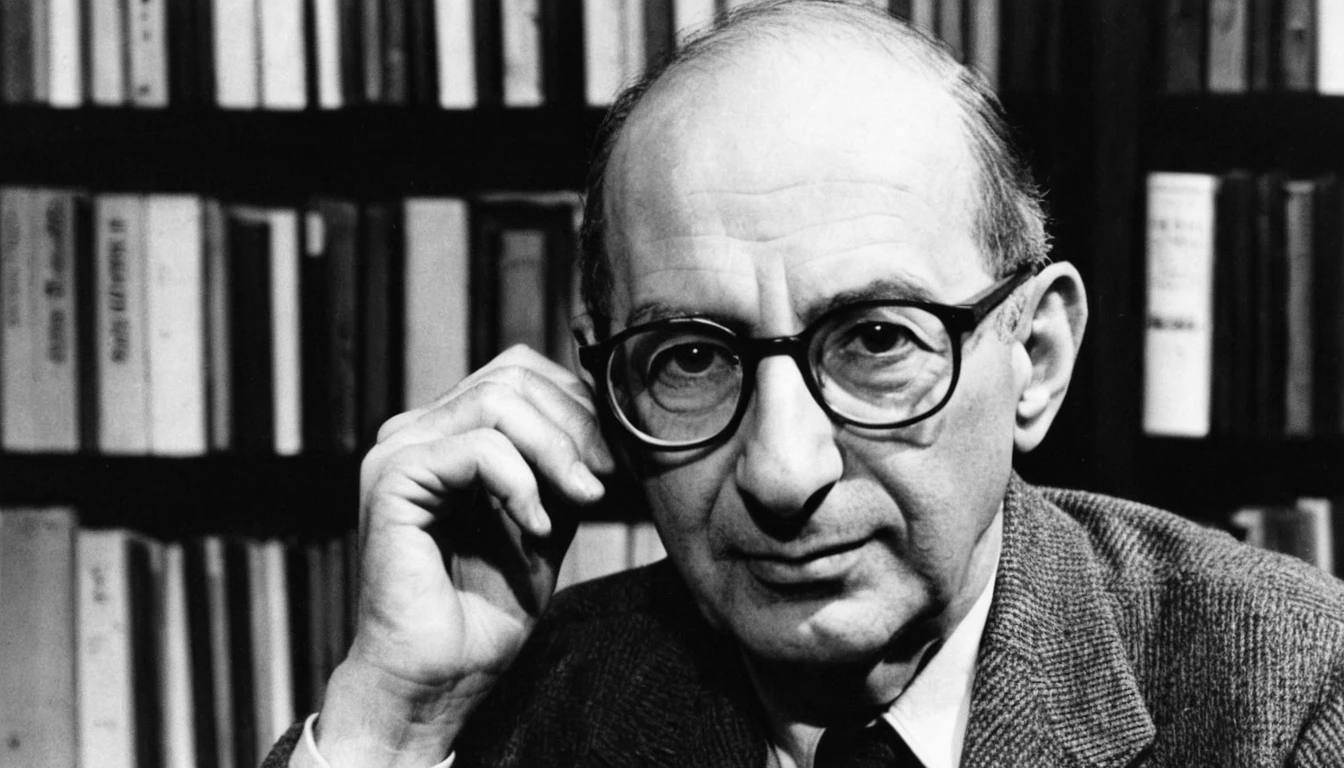
Bernard Malamud transformed American literature by blending European Jewish tradition with American realism. Through his simple yet symbolic prose, he expanded the expressive power of English fiction, giving voice to marginalized figures and making moral redemption a central theme that continues to resonate across generations.
-
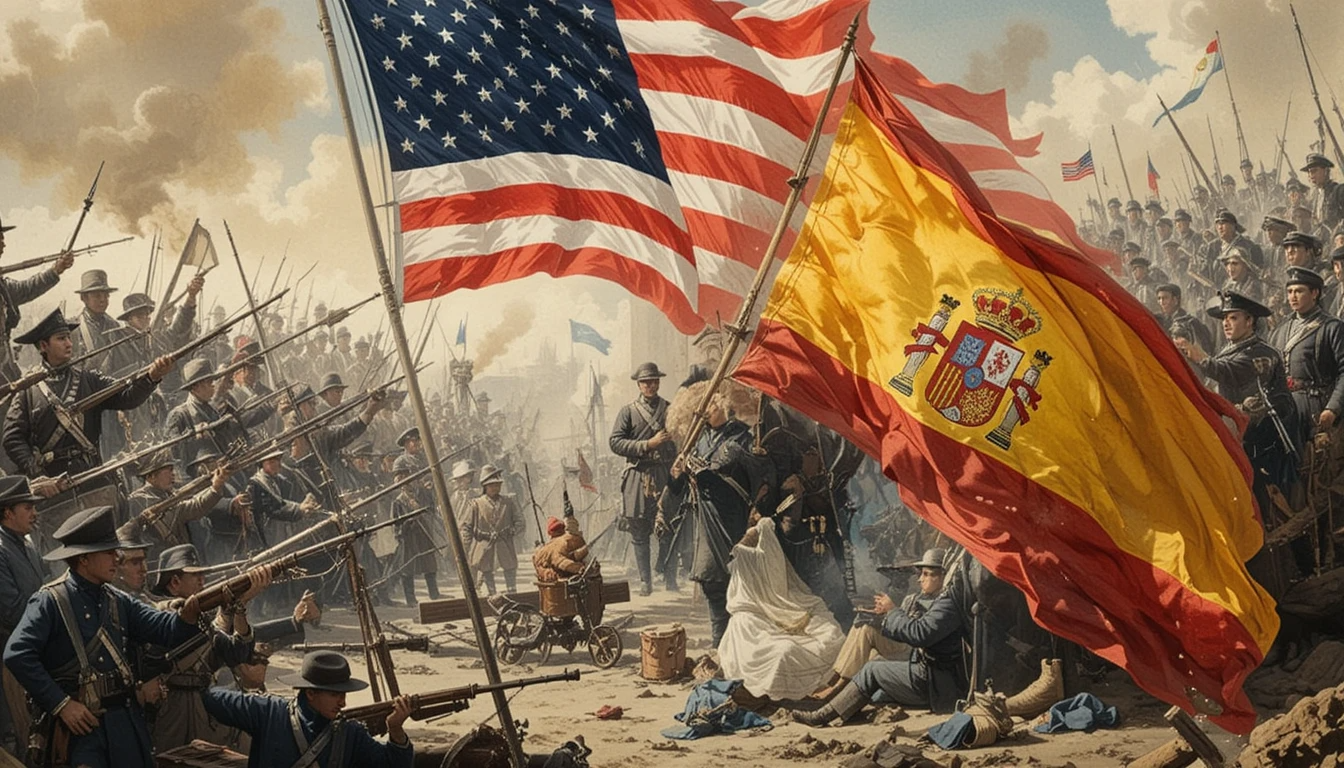
On April 25, 1898, the U.S. declared war on Spain, launching a short yet transformative conflict. The Spanish-American War not only signaled America’s global rise, but also expanded English vocabulary with terms like yellow journalism, Rough Riders, and imperialism, reshaping the language of war, media, and foreign policy.
-
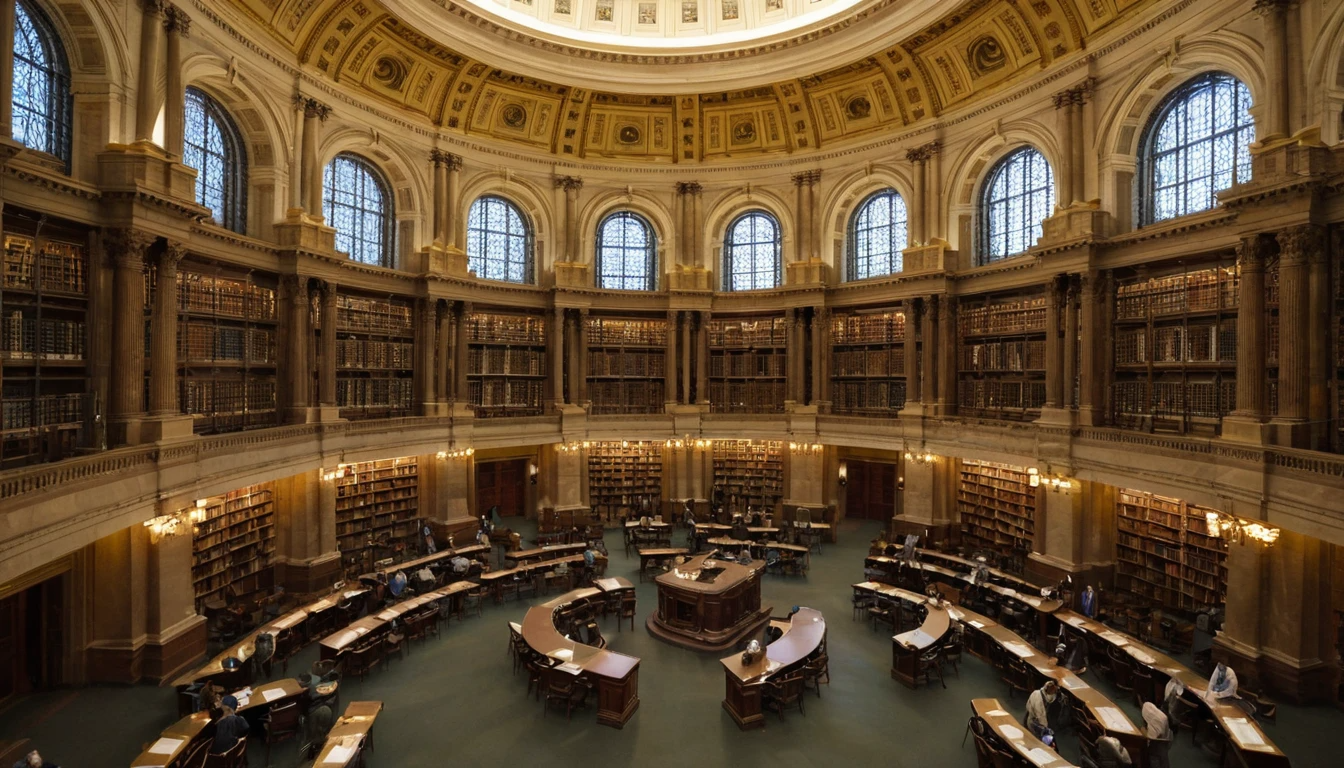
Founded on April 24, 1800, the Library of Congress began as a small resource for lawmakers and grew into the largest library in the world. It now preserves and promotes the English language through historic texts, modern media, educational outreach, and digitized archives—shaping how English is studied, spoken, and shared globally.
-
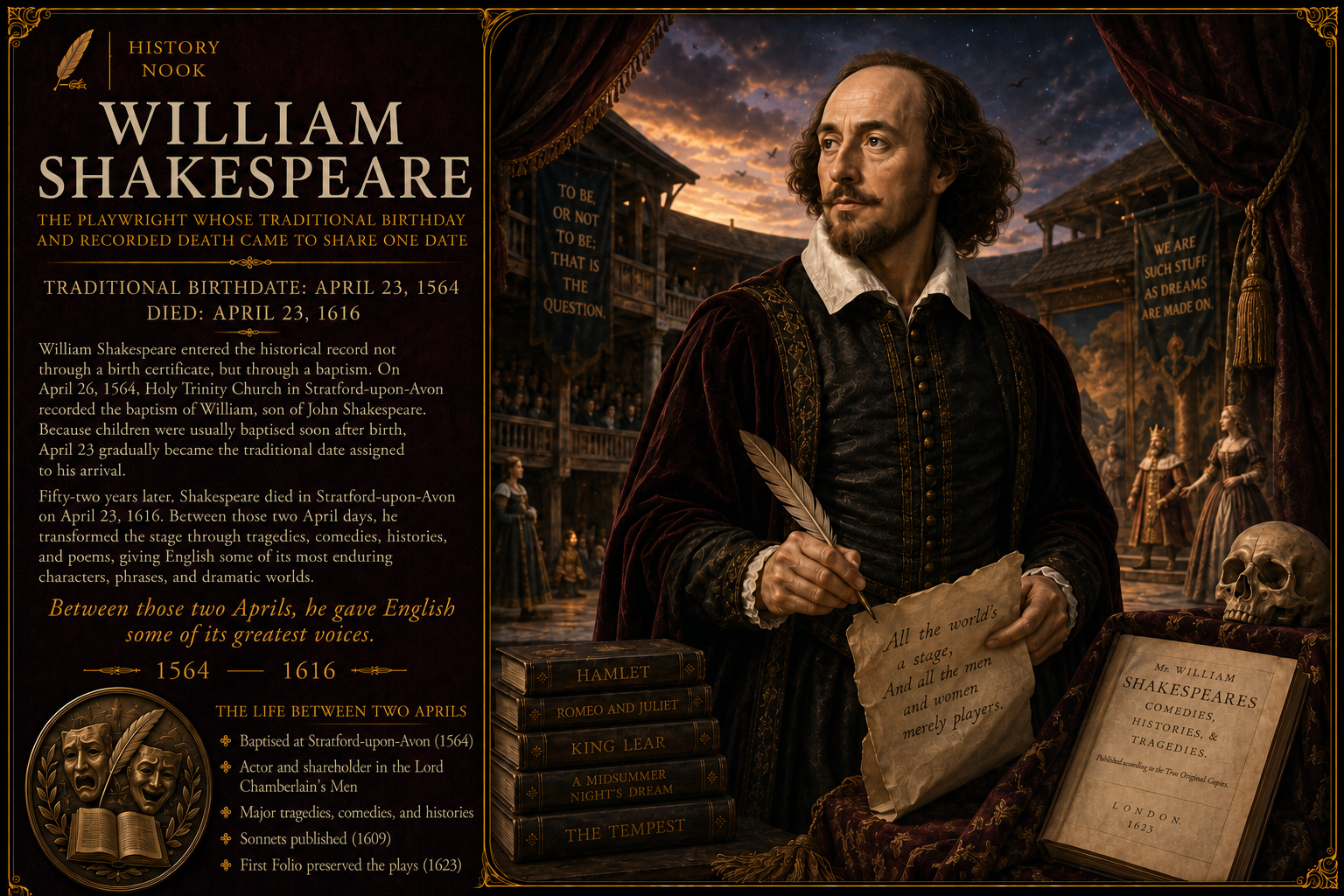
What happens when a life traditionally begins and certainly ends on the same April day? Discover how William Shakespeare transformed English drama, language, old fears, and the human voice between two dates.