
On October 13, 1792
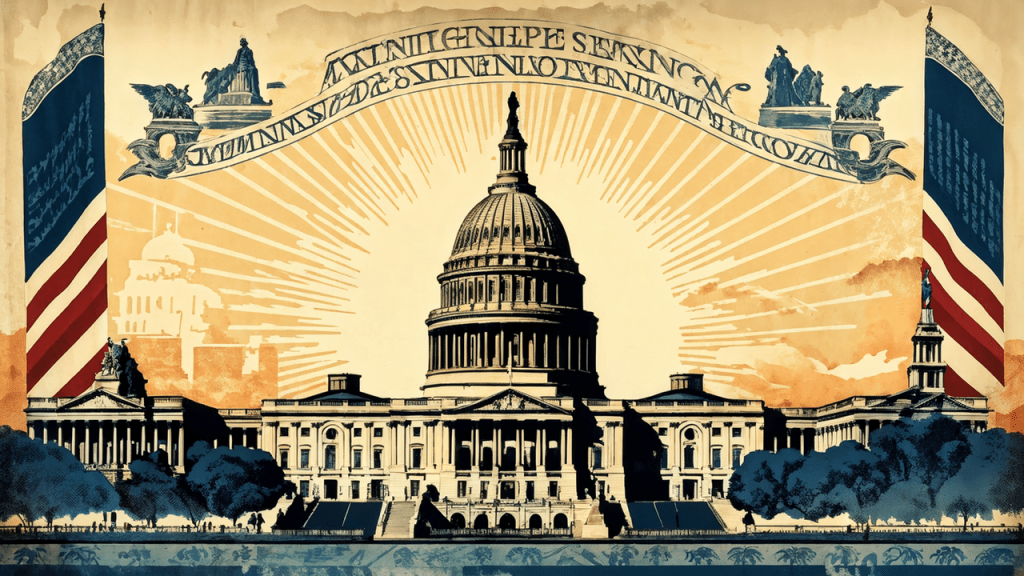
On October 13, 1792, the cornerstone of what would become the United States’ new capital, Washington, D.C., was laid, marking the official foundation of the city. While this event primarily signified the establishment of a new seat of government for the young nation, it also had significant long-term implications for the global spread of the English language. The choice of English as the official language of governance in the United States, formalized through the institutions set up in Washington, D.C., played a key role in transforming English from a regional European language into a global lingua franca over the following centuries.
English as the Official Language of the U.S. Government
Although English had been the dominant language of the American colonies, it wasn’t until the United States became an independent nation that the language was solidified as the primary medium for government, law, and public discourse. The U.S. Constitution, adopted in 1787, was written in English, and all subsequent legislation, legal codes, and governmental proceedings were conducted in the language. The establishment of Washington, D.C., as the federal capital in 1792 institutionalized English as the language of the U.S. government, reinforcing its use across the newly formed states.
At the time, the United States was a relatively small country with limited international influence. However, the choice to make English the official language of governance had profound consequences. Unlike in England, where English had evolved over centuries through layers of social and political changes, in the United States, English quickly became a symbol of national unity and identity. It served as a common language that helped to unify the diverse population of European settlers, Indigenous peoples, and enslaved Africans, though with varying degrees of inclusion and access.
Washington, D.C., and the Spread of English
The creation of Washington, D.C., as the capital symbolized a new era for the United States—a nation growing in ambition, driven by democratic ideals, and firmly rooted in the English-speaking world. As the U.S. expanded westward, English became the dominant language in every new state and territory, ensuring its entrenchment as the language of governance and daily life. This expansion played a major role in the spread of English across the North American continent.
However, it wasn’t just within the U.S. that English was spreading. As the 19th century progressed, the United States increasingly became a player on the world stage. Economic growth, industrialization, and the nation’s role in international trade bolstered the influence of the U.S., further propagating the use of English. By the time Washington, D.C., had become a well-established political center in the 19th and 20th centuries, the United States was emerging as a global power, and the spread of English paralleled its rise.
U.S. Influence on Global English
While the British Empire was the primary force spreading English globally in the 18th and 19th centuries, the rise of the United States in the 20th century as a world power ensured that English would continue to spread and evolve into a global language. Washington, D.C., as the epicenter of U.S. political and diplomatic power, became a major hub for international relations, and with that, English became a key language of global diplomacy. Institutions like the United Nations, the World Bank, and the International Monetary Fund, headquartered in or near Washington, D.C., began conducting much of their business in English, reinforcing its role in international governance.
The United States’ influence in global culture, technology, and economics further entrenched English as a leading language. The American film industry, based in Hollywood, and the rise of American media outlets broadcast English to audiences worldwide. Furthermore, U.S. advancements in science, technology, and academia meant that English became the dominant language in these fields as well, making Washington, D.C., the seat of power in a country that was increasingly shaping global intellectual and cultural trends.
English as a Global Lingua Franca
By the 21st century, English had become a global lingua franca, and the foundation of Washington, D.C., on October 13, 1792, played an indirect but vital role in this development. The U.S. capital became a focal point for governance, diplomacy, and international relations, reinforcing the dominance of English in these arenas. The rise of the United States as a global superpower throughout the 19th and 20th centuries ensured that English would spread far beyond the borders of the United Kingdom or its former colonies.
Moreover, the U.S.’s status as an economic, military, and technological powerhouse meant that English became the language of global commerce, science, and entertainment. As the influence of Washington, D.C., and the broader U.S. government grew, English became the preferred language of international treaties, trade agreements, and diplomatic discussions, influencing countries around the world to adopt it as a second language.
Washington, D.C. and the Global Spread of English
The foundation of Washington, D.C., in 1792 symbolized not only the establishment of the U.S. capital but also the formalization of English as the language of government in a nation that would go on to have immense global influence. While the initial spread of English was primarily driven by the British Empire, the rise of the United States as a world power cemented the language’s global dominance. The establishment of Washington, D.C., as a political and diplomatic center ensured that English would remain at the forefront of international relations, contributing to its role as a global lingua franca today.
In this way, the foundation of Washington, D.C. marked a significant milestone in the global journey of the English language, setting the stage for its widespread use in politics, trade, and culture around the world.
Originally published on October 13, 2024, on The-English-Nook.com.
 What Happened on This Day?
Leave a comment