
November 2, 1936
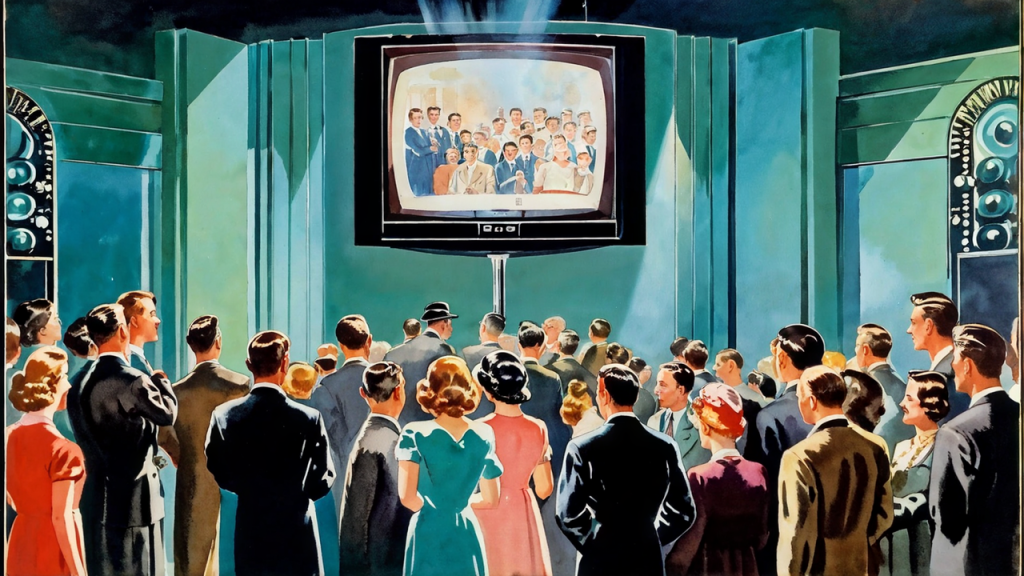
On November 2, 1936, the British Broadcasting Corporation (BBC) began the world’s first regular television broadcasts, launching an era that would forever transform communication, entertainment, and language. This pioneering step in media history signaled the arrival of television as a central medium for reaching mass audiences with news, entertainment, and educational programming, introducing new vocabulary and shaping both British and global English in unprecedented ways.
Transforming Language with the Vocabulary of Broadcasting
The introduction of regular TV programming brought a unique terminology that soon became embedded in everyday English. Words such as “telecast” (a combination of “television” and “broadcast”) and “newscast” were coined to describe televised events and news segments specifically designed for this medium. The term “live broadcast” also gained prominence, emphasizing the immediacy of content that was recorded and transmitted in real-time to audiences across regions. Additionally, concepts like “airtime,” which referred to the scheduling of TV programs, and “viewership,” describing the audience of a particular broadcast, became part of the essential language of media.
Terms like “tune in” and “stay tuned” originated as invitations to watch or remain with a broadcast, soon becoming popular expressions in general conversation. This influence on spoken language was a direct result of television’s accessibility and widespread impact. Viewers were encouraged to “tune in” to specific shows, creating a sense of scheduled, collective experience, and these terms quickly extended beyond broadcasting to imply general attention or anticipation in English discourse.
TV’s Influence on Culture and Communication Styles
As television gained popularity and became a household staple, its influence on language went beyond vocabulary, shaping cultural norms and communication styles. Broadcasting standards, established to meet the demands of a large and varied audience, led to a polished, neutral presentation style, particularly for news. Broadcasters and announcers developed a distinctive, authoritative tone that became a new standard for public speaking, contributing to the way public figures communicated to the masses. Television presenters became cultural figures, and their styles of delivery influenced public discourse, fostering a particular form of English associated with clarity, reliability, and sophistication.
The common cultural references and expressions that emerged from popular television shows helped shape conversational English, making the language more dynamic and allowing for shared experiences across diverse social backgrounds. As people watched the same popular shows, from news to dramas to comedies, they began using TV references and catchphrases as part of everyday conversation. This shared experience reinforced television as a unifying force in language and culture, embedding phrases and expressions from well-loved shows into common usage.
Paving the Way for a Global Media Language
The BBC’s trailblazing role in television broadcasting also influenced media across the English-speaking world. As the BBC introduced high-quality, regulated broadcasting, other countries adopted similar practices, leading to a shared lexicon across international media. Television’s language soon became a global vocabulary, with terms such as “prime time,” “sitcom,” “commercial break,” and “ratings” gaining universal understanding among English speakers. This expansion of TV as an international medium encouraged a more standardized vocabulary, one that enabled people worldwide to discuss broadcasting, entertainment, and news in similar terms.
The medium also accelerated the speed at which English adapted to social and technological changes. Television’s reach made it a primary platform for communicating breaking news, social changes, and cultural movements. Major events like political debates, historic achievements, and global conflicts were broadcasted live to millions, reinforcing English as a global language of media and enhancing its flexibility to accommodate new ideas and innovations.
Lasting Legacy: The Role of Television in the Evolution of English
The BBC’s initiation of regular TV broadcasts on November 2, 1936, revolutionized the way people accessed information and entertainment, permanently influencing English. The language of television—expressions like “live on air,” “breaking news,” and “series finale”—became integral to media and public communication. Beyond vocabulary, television cultivated a more inclusive form of English, one that crossed regional and cultural divides. The vocabulary and style it introduced have endured, reflecting the deep influence of TV on how people communicate, consume information, and share cultural references.
By setting a global precedent for regular television programming, the BBC helped to establish English as the language of broadcast media, a status that paved the way for its role in modern news, entertainment, and cultural exchange. The language of television has since become a lasting part of English, providing terms, phrases, and cultural references that continue to shape how people connect with the world around them.
Originally published on November 2, 2024, on The-English-Nook.com.
 What Happened on This Day?
Leave a comment