
November 3, 1534
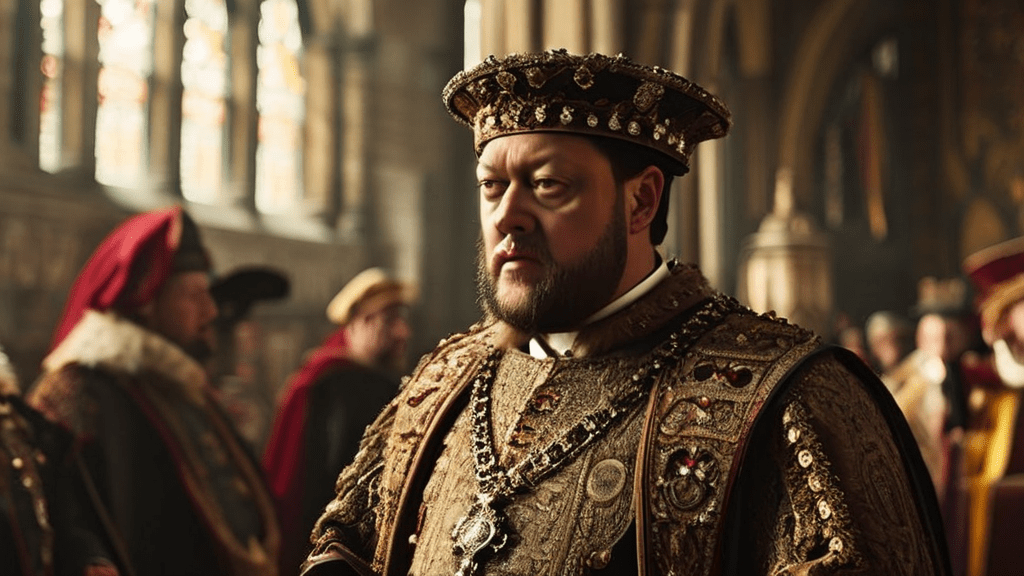
On November 3, 1534, King Henry VIII was declared the Supreme Head of the Church of England, a historic break from the authority of the Roman Catholic Church that reshaped religious life and language in England. Enacted through the Act of Supremacy, this separation marked the beginning of the English Reformation, a movement that had profound effects on English religious vocabulary, liturgical practices, and even governance. Words like “heresy,” “reformation,” “Protestantism,” and “supremacy” became central to English discourse, reflecting the ideological and theological shifts that would define English religious, social, and political life.
Expanding Religious Vocabulary in English
The break from Catholicism introduced new terminology into the English language, much of which centered on concepts of religious authority, individual conscience, and reform. “Heresy” took on a heightened presence as the rejection of papal authority led to a redefinition of what was considered orthodox in England. Words such as “Protestantism” and “reformation” were soon incorporated into the common lexicon, representing the movement’s emphasis on reshaping religious beliefs and practices. The title “Supreme Head,” given to Henry VIII as the leader of the newly independent Church, underscored England’s departure from Rome and introduced a vocabulary of governance intertwined with religious authority, blurring lines between state and church language.
The Impact of English Translations of Religious Texts
One of the Reformation’s most lasting linguistic legacies was the increased emphasis on English as a language of worship. The decision to make the Bible accessible to the English-speaking public led to the translation of sacred texts, bringing about the first widely circulated English Bibles. This accessibility profoundly influenced English-speaking worshippers, who could now read scripture in their own language rather than relying on Latin, which had previously been the dominant language of religious texts. This movement toward English translations helped to establish the language as one of worship and reflection, making it a tool not only of everyday communication but also of personal faith.
These translations enriched the English language with a wealth of biblical and theological vocabulary, much of which continues to shape religious and moral language today. Words like “redemption,” “salvation,” “grace,” and “sacrifice” became embedded in English, shaping the way English speakers articulate spiritual ideas. The proliferation of these terms also influenced secular language, with concepts of moral duty, justice, and mercy carrying through to discussions on law and ethics.
Strengthening English as a Language of Law and Governance
With the shift in religious authority came significant legal and political changes that also impacted English vocabulary. The Act of Supremacy, and later the dissolution of the monasteries, brought legal terms and phrases like “oath of supremacy” and “ecclesiastical law” into common English. As England moved to establish laws independent from Rome, terms associated with governance, control, and sovereignty began to appear more frequently in English. This language reinforced England’s developing sense of national identity, as the monarchy gained influence over religious as well as secular matters.
In addition, the Reformation’s emphasis on individual belief contributed to an evolving discourse on rights, governance, and personal conscience. While these ideas would take centuries to fully mature, they laid the groundwork for political and religious reforms that influenced the language of democracy, freedom, and civic duty.
Lasting Legacy on English Language and Culture
The English Reformation, beginning with Henry VIII’s break from the Catholic Church, left a lasting mark on the English language. Its influence extended beyond religion, shaping the nation’s legal and cultural landscape, and fostering a rich vocabulary that helped define English ideas of authority, conscience, and faith. This period established English as the language of religious expression, further elevating it through translations of sacred texts and sermons. The English Reformation set a precedent for using English as a language of both spiritual and civic discourse, embedding in the language terms that remain foundational to discussions of faith, governance, and morality.
By marking this decisive split with Rome, England laid the groundwork for a distinct religious and national identity, one that would profoundly shape its culture, law, and language for centuries to come. The words and ideas born out of this reformation continue to influence the English-speaking world, with terms like “heresy,” “reformation,” and “Protestantism” serving as enduring reminders of a transformative era.
Originally published on November 3, 2024, on The-English-Nook.com.
 What Happened on This Day?
Leave a comment