
November 2024
-

Born on November 30, 1667, Jonathan Swift transformed English literature with works like Gulliver’s Travels and A Modest Proposal. His satire introduced enduring terms such as “Yahoo” and “Lilliputian,” blending wit with profound social critique. Swift’s linguistic innovations and sharp commentary continue to influence political discourse, literature, and everyday language.
-

Discover how Richard Byrd’s daring flight over the South Pole on November 29, 1929, shaped history and enriched English with exploration, aviation, and environmental terms.
-
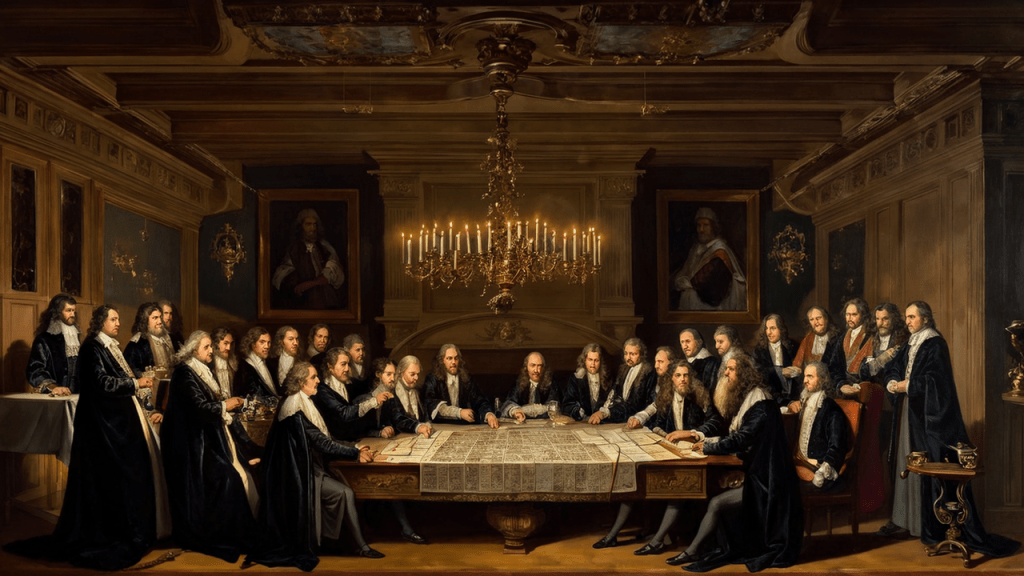
The Royal Society, founded on November 28, 1660, revolutionized science and language. By standardizing scientific terminology, promoting English over Latin, and emphasizing clarity, it shaped global scientific discourse. Terms like experiment and peer review highlight its lasting impact on both knowledge and the evolution of English as a precise scientific tool.
-
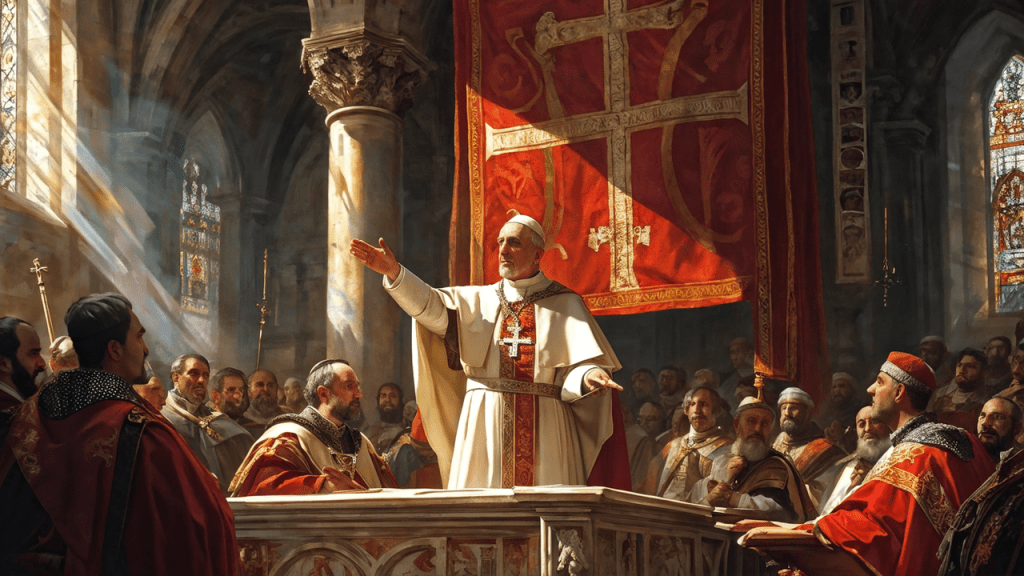
On November 27, 1095, Pope Urban II’s call for the First Crusade at the Council of Clermont introduced lasting English terms like crusade, holy war, and pilgrimage. These words, rooted in religious and military contexts, have evolved into metaphors for mission and purpose, influencing English discourse on faith and conflict.
-

On November 26, 1922, Howard Carter opened King Tutankhamun’s tomb, sparking a global fascination with ancient Egypt. Terms like “pharaoh,” “sarcophagus,” and “hieroglyph” entered everyday English, while phrases like “Curse of the Pharaohs” enriched popular culture. This discovery continues to influence language, media, and our understanding of history.
-
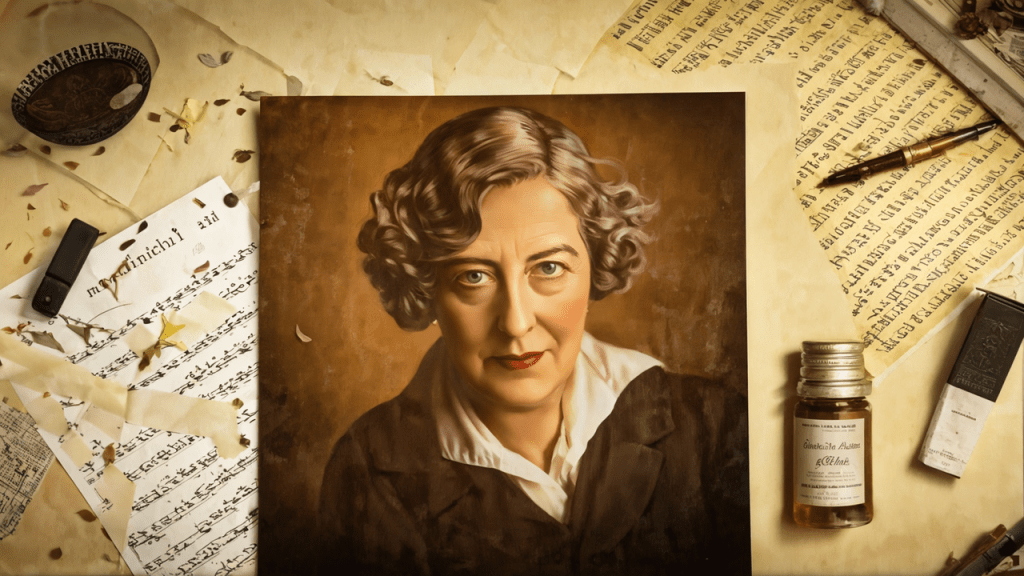
Agatha Christie, the “Queen of Crime,” transformed English mystery language with iconic terms like “whodunit” and “red herring.” Her timeless play, The Mousetrap, and detective fiction enriched vocabulary around suspense, deduction, and problem-solving, making her influence central to how mysteries are written, discussed, and enjoyed worldwide.
-
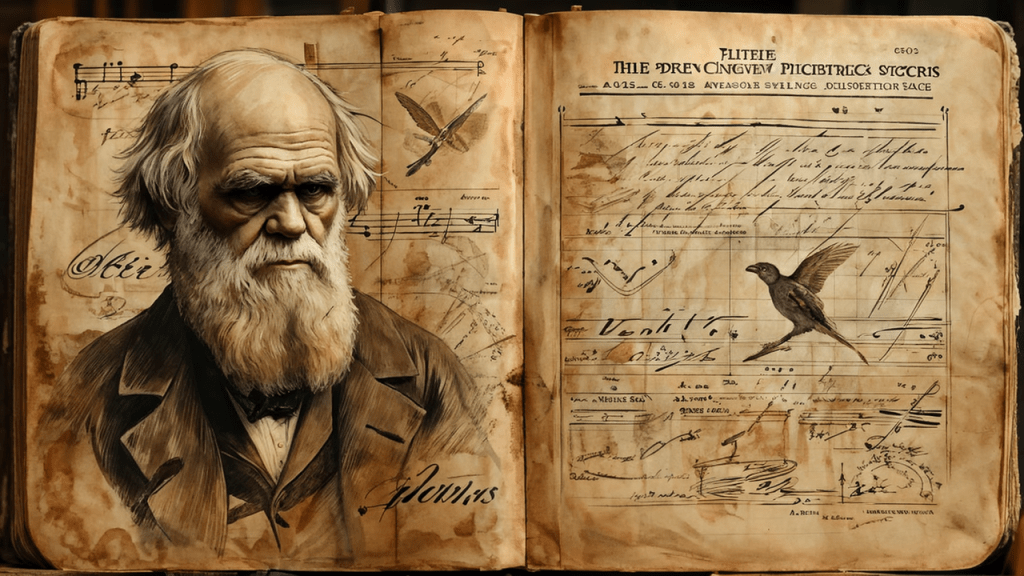
On November 24, 1859, Charles Darwin’s On the Origin of Species transformed scientific thought and enriched the English language. Introducing terms like “natural selection” and “evolution,” Darwin shaped biology, philosophy, and cultural discourse, leaving a lasting legacy in science and everyday language.
-

On November 23, 1963, Doctor Who premiered, forever altering science fiction and the English language. Introducing iconic terms like “TARDIS,” “Time Lord,” and “regeneration,” the show enriched pop culture and everyday language, blending British humor, imagination, and intellectual curiosity to inspire generations of fans worldwide.
-
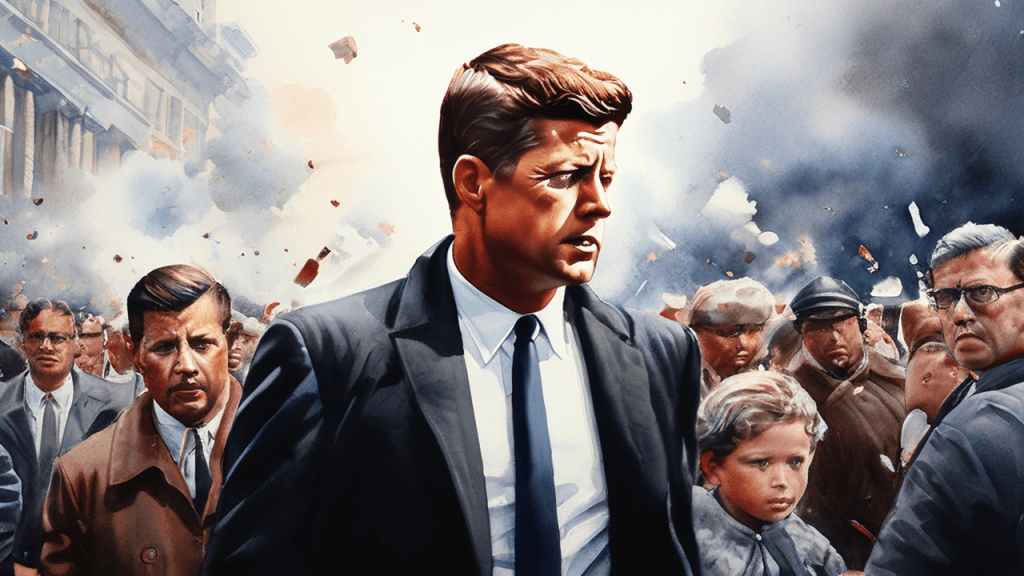
The assassination of John F. Kennedy on November 22, 1963, introduced lasting terms like “grassy knoll” and “Camelot presidency,” reshaping political discourse and public expressions of grief. This tragic event left an indelible mark on English, embedding phrases that evoke loss, conspiracy, and a nation’s longing for unity and ideals.
-
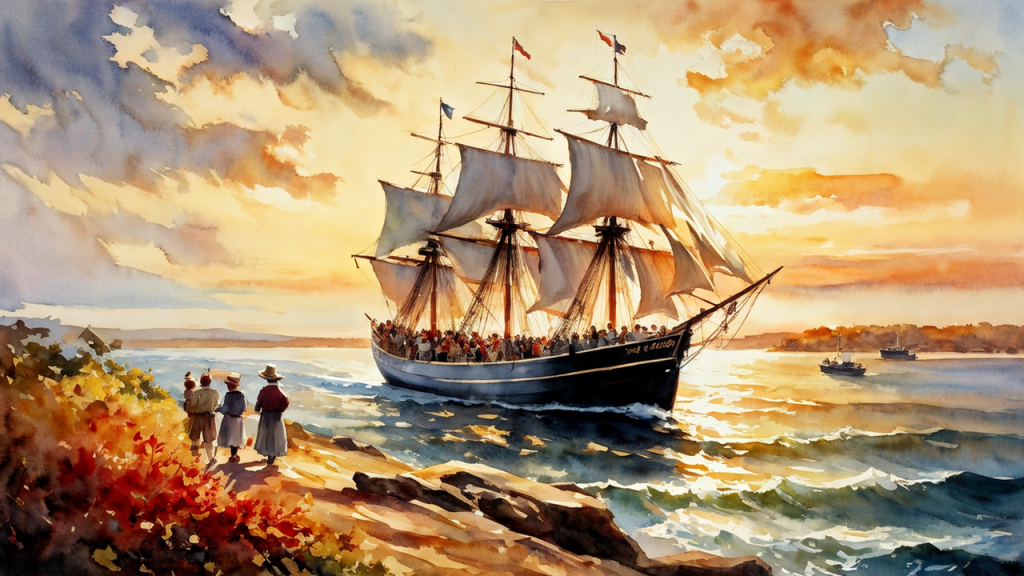
The Mayflower’s arrival in 1620 marked a linguistic turning point, blending English traditions with indigenous terms and coining enduring concepts like “Pilgrim” and “Thanksgiving.” These words reflect the settlers’ resilience and cultural exchange.
 What Happened on This Day?