
November 9, 1989
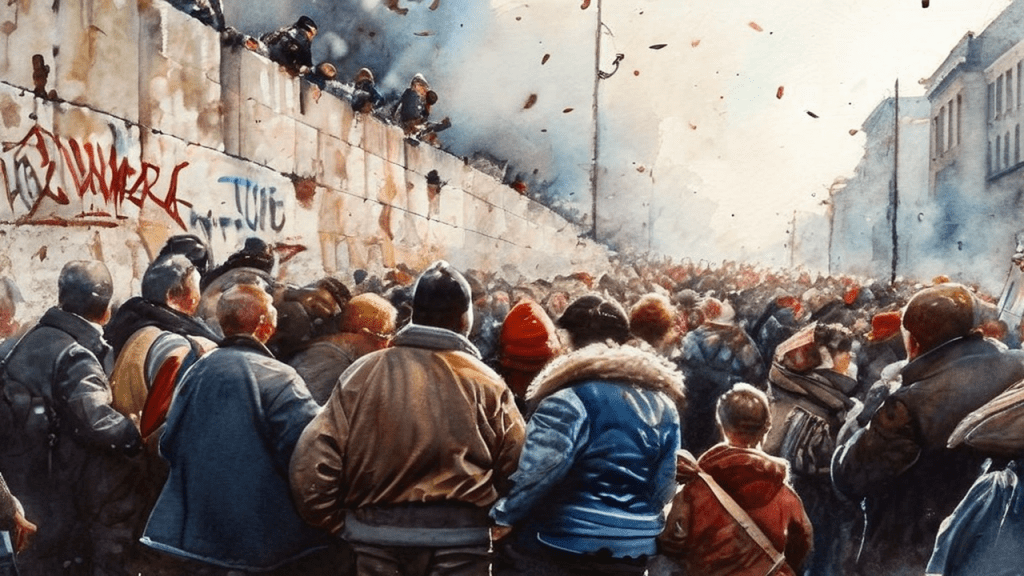
On November 9, 1989, the Berlin Wall, a powerful symbol of the Cold War, was breached. This event marked not only the beginning of German reunification but also the end of an era defined by global tension, nuclear standoffs, and ideological division between East and West. The fall of the Berlin Wall quickly became a turning point in international relations vocabulary and cultural consciousness, introducing terms and phrases that would shape how English speakers discussed freedom, unity, and global diplomacy. Phrases like “Iron Curtain,” “Cold War,” and “reunification” were cemented in popular English, while expressions like “the wall came down” entered common usage as metaphors for overcoming significant barriers. The language associated with the fall of the Berlin Wall transformed English vocabulary around diplomacy, peace, and cooperation.
Origins of Terms and Expressions
The Berlin Wall, erected in 1961 by the German Democratic Republic (East Germany), divided Berlin into East and West and became a visible symbol of the ideological divide between communism and democracy. The term “Iron Curtain,” first used by Winston Churchill in a 1946 speech, had already been adopted by English speakers to describe the metaphorical barrier between the communist bloc and the West. The phrases “Eastern Bloc” and “Western Bloc” reflected the polarized world order, each side viewing the other with suspicion and often framing the conflict in terms of existential threats. This stark divide influenced English vocabulary, as terms like “Cold War” came into common usage to describe a war fought with ideology, espionage, and propaganda rather than traditional warfare.
As the wall came down, new terms such as “reunification” emerged to define the process of bringing East and West Germany back together. The fall of the Berlin Wall became synonymous with words like “liberation” and “freedom,” giving these concepts renewed significance and a sense of urgency in a new era of cooperation and peace.
Expansion of Political Vocabulary
The fall of the Berlin Wall catalyzed a transformation in political language, especially in English-speaking countries. Terms associated with oppression, such as “Stasi” (the East German secret police), became more widely known, as stories of life under surveillance in East Germany circulated globally. Meanwhile, words like “detente” and “glasnost” (a Russian term meaning “openness” popularized by Mikhail Gorbachev) highlighted the shift toward transparency and eased tensions.
In addition to formal terms, the event introduced phrases and expressions that have become part of modern political dialogue. The phrase “the wall came down” quickly evolved into a metaphor for overcoming deep-seated obstacles or divisions, often used to describe breakthroughs in areas ranging from politics to personal relationships. “Tearing down walls” and “bridging divides” are expressions rooted in the events of November 9, illustrating how the language of the Berlin Wall became a cultural shorthand for unity and progress.
Influence on International Relations and Diplomatic Language
As the world witnessed the Berlin Wall’s fall, the language of diplomacy and global relations shifted to reflect newfound hopes for cooperation and peace. Terms like “multilateralism” and “global unity” began to feature more prominently in English, reflecting an era of renewed faith in alliances, partnerships, and collective action. Discussions around the role of institutions like the United Nations and NATO took on a more optimistic tone, focused on fostering unity and preventing further divisions.
English vocabulary around “freedom” and “self-determination” gained prominence, especially as Eastern European countries began asserting their independence from Soviet influence. Words like “democracy,” “sovereignty,” and “human rights” entered discussions about the post-Cold War landscape, highlighting aspirations for fair governance and respect for individual liberties. Diplomatic terms like “reconciliation” and “normalization” became essential as countries that had been on opposing sides of the Iron Curtain worked to build relationships in the post-Wall era.
Lasting Impact on Popular Culture and English Expressions
The fall of the Berlin Wall not only impacted formal political language but also seeped into popular culture and everyday English expressions. The word “wall” took on a profound new meaning, symbolizing division, isolation, and the need to break down barriers. It became common to hear references to “walls” in both literal and metaphorical contexts, such as emotional barriers, social divisions, and political conflicts, all rooted in the imagery of November 9, 1989.
Popular culture and media adopted this language as well, with songs, movies, and literature reflecting the themes of liberation and unity. The phrase “fall of the Berlin Wall” has been referenced in countless contexts, from sports victories to personal achievements, symbolizing an ultimate triumph over adversity. English-speaking audiences grew accustomed to metaphors of tearing down walls or bridging gaps, using these phrases to communicate resilience and hope for a better future.
Enrichment of English with New Ideals
In the decades since, the language shaped by the fall of the Berlin Wall has continued to resonate in English, capturing ideals of freedom, unity, and cooperation. Words like “democracy” and “freedom” have taken on broader, more powerful meanings as countries around the world reference these ideals in relation to the Berlin Wall’s history. The event’s language has also contributed to a global lexicon of peace and unity, with English serving as a conduit for expressions of solidarity and resilience that are rooted in the historical impact of November 9, 1989.
Today, the legacy of the Berlin Wall’s fall persists in both the formal and informal language of international relations, pop culture, and daily life, as English speakers continue to draw on the powerful imagery of walls falling and divides being bridged.
Originally published on November 9, 2024, on The-English-Nook.com.
 What Happened on This Day?
Leave a comment