
November 11, 1918
On November 11, 1918, the Armistice that ended World War I was signed, bringing relief and celebration across Europe and beyond as the Great War, one of the deadliest conflicts in human history, drew to a close. This historic moment marked a new chapter for language and culture in English-speaking countries, giving rise to a vocabulary of remembrance, sacrifice, and patriotism. The terms and phrases that emerged around this event, including “Armistice Day,” “lest we forget,” “the war to end all wars,” and “veteran,” became essential in English, representing both the memory of those who served and the hope for lasting peace. The war also introduced expressions related to trauma and healing, such as “shell shock,” that have evolved in English to reflect changing understandings of psychological impacts of war.
Armistice Day and the Language of Commemoration and Sacrifice
Initially celebrated as Armistice Day, November 11 was set aside to honor those who served in World War I. In Britain, France, Canada, and other Allied countries, ceremonies and memorials arose to commemorate the fallen, and “lest we forget” became a solemn expression associated with the observance, symbolizing a collective commitment to remember the sacrifices of those who fought. The phrase, drawn from a poem by Rudyard Kipling, became integral to English vocabulary, signifying remembrance not only for World War I but also for subsequent conflicts, reminding future generations of the cost of war.
The term “Armistice” itself entered popular usage, denoting the cessation of hostilities, and became part of military and political language in English. The day’s observance gradually shifted in focus, with the United States renaming it Veterans Day in 1954 to honor all veterans, while many Commonwealth nations designated it as Remembrance Day. This language of remembrance created a powerful lexicon for honoring military service and sacrifice, as words like “veteran,” “poppy,” and “remembrance” took on special significance in English-speaking cultures worldwide.
“The War to End All Wars” and Hopes for Lasting Peace
World War I was frequently referred to as “the war to end all wars,” a phrase coined by H.G. Wells in his 1914 work The War That Will End War. The expression reflected widespread hope that the devastation of the war would prompt future peace, underscoring the sense of duty to prevent such a catastrophe from reoccurring. In the aftermath of the Armistice, this phrase resonated deeply in the English-speaking world, capturing the desire for a global commitment to peace. Although subsequent conflicts made the phrase appear idealistic, it remains a powerful expression associated with anti-war sentiment and aspirations for a peaceful world order.
The Armistice also popularized the language of peacekeeping, with terms such as “reconstruction” and “disarmament” becoming central in political discussions about how to prevent future conflicts. The formation of the League of Nations in 1920 further introduced English speakers to terminology around collective security and diplomacy, with terms like “international cooperation” and “diplomatic relations” becoming integral to the language of international relations. The rhetoric of World War I continued to influence English throughout the 20th century as peace movements, organizations, and treaties drew on this vocabulary to advocate for peace and global cooperation.
Psychological Impact: “Shell Shock” and Evolving Terms for Trauma
The horrors of trench warfare, gas attacks, and relentless bombardment left lasting scars on soldiers, leading to the development of new terminology to describe the psychological toll of war. “Shell shock” emerged as a term during World War I to describe the mental trauma soldiers experienced, marked by symptoms such as tremors, nightmares, and an inability to function in civilian life. This term was a forerunner to modern understandings of post-traumatic stress disorder (PTSD), and although “shell shock” is no longer used as a clinical diagnosis, it was foundational in shaping how English speakers discuss mental health, trauma, and recovery from war.
The experience of World War I soldiers also expanded the English lexicon with terms related to battlefield injuries and medical treatment. Words such as “convalescence” and “rehabilitation” became prominent as society acknowledged the need for long-term physical and psychological recovery for veterans. This language reflected a growing understanding of the impact of war on individuals and the importance of supporting those affected, influencing English-language discussions about mental health, support services, and veteran care.
The Vocabulary of Conflict and Military Innovation
World War I saw the advent of new military technologies and tactics, which contributed terms and phrases that became common in English. The introduction of tanks, machine guns, and chemical weapons transformed warfare, leading to a vocabulary that reflected these innovations. Words such as “no-man’s-land,” “trench warfare,” “dogfight,” and “gas mask” became widely used, capturing the brutal reality of modern conflict. The English language absorbed these terms, which were later applied to describe similar combat tactics in World War II and beyond.
Military slang also gained prominence during the war, adding colloquial terms to English that provided insight into the soldiers’ experience. Phrases like “going over the top” (climbing out of a trench to advance on the enemy), “in the trenches” (signifying hardship or frontline experience), and “bombardment” (a sustained attack) became part of everyday English, often used metaphorically in non-military contexts to describe struggles, intense efforts, or persistence. These terms reflect how language evolved to convey the emotional weight and intensity of the wartime experience.
The Impact on English Literature and Popular Expressions
World War I had a profound effect on English literature, with poets like Wilfred Owen, Siegfried Sassoon, and Rupert Brooke capturing the brutal realities of combat and the disillusionment many soldiers felt. Their works contributed to a body of literature that influenced English vocabulary around war, sorrow, and sacrifice. Words and expressions from war poetry, such as “doomed youth” and “futility,” became part of the language used to express the cost of conflict and the fragility of life, capturing a generation’s collective trauma and sense of loss.
The impact of the war also popularized expressions and idioms that entered English, such as “lost generation,” referring to those who fought in the war or who grew up in its shadow. This phrase later came to describe broader themes of disillusionment and a sense of being adrift, particularly in the years following the war. This era of literature and expression expanded the emotional and descriptive vocabulary of English, providing terms to discuss sorrow, survival, and the human cost of global conflict.
Legacy of Armistice Day in Modern English and Global Culture
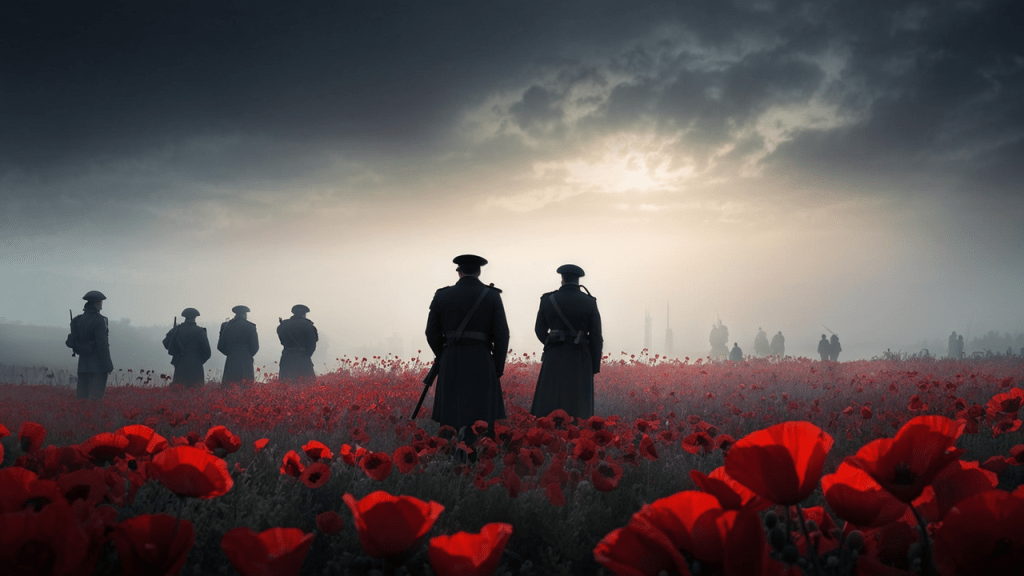
The annual observance of November 11 as a day of remembrance continues to shape English vocabulary and cultural practices. Symbols like the red poppy, which originated from John McCrae’s poem “In Flanders Fields,” have become powerful representations of remembrance, with the phrase “poppy day” now associated with honoring veterans in many English-speaking countries. The poppy serves as a visual metaphor, symbolizing sacrifice and resilience, and is a lasting reminder in English-speaking culture of the impact of World War I.
Armistice Day also fostered a language of resilience, unity, and respect, shaping how English speakers honor and remember those affected by war. The commemoration ceremonies, speeches, and tributes that accompany Armistice Day and Veterans Day in the United States contribute to a shared vocabulary of respect and reflection, with phrases like “honor the fallen” and “serve and sacrifice” frequently used in tributes. The words and traditions associated with this day reinforce the enduring impact of World War I on English-speaking societies and underscore the importance of memory in shaping a collective cultural identity.
The Lasting Influence of Armistice Day on the English Language
The end of World War I on November 11, 1918, left an indelible mark on English vocabulary, enriching it with terms and phrases associated with remembrance, peace, and sacrifice. The language that emerged from the Armistice continues to reflect both the tragedy of war and the hope for peace, influencing not only how English speakers remember those who served but also how they discuss conflict, healing, and honor.
Through terms like “shell shock,” “lest we forget,” and “veteran,” the English language holds onto the lessons of the past while promoting ideals of unity, resilience, and remembrance. The words and traditions stemming from Armistice Day serve as a testament to the power of language to convey collective memory, honor sacrifice, and inspire future generations to value peace and mutual respect. As these words continue to shape how English speakers talk about war and peace, they honor a legacy that endures beyond the battlefield, reminding us all of the importance of remembering and learning from history.
Originally published on November 11, 2024, on The-English-Nook.com.
 What Happened on This Day?
Leave a comment