
December 8, 1980
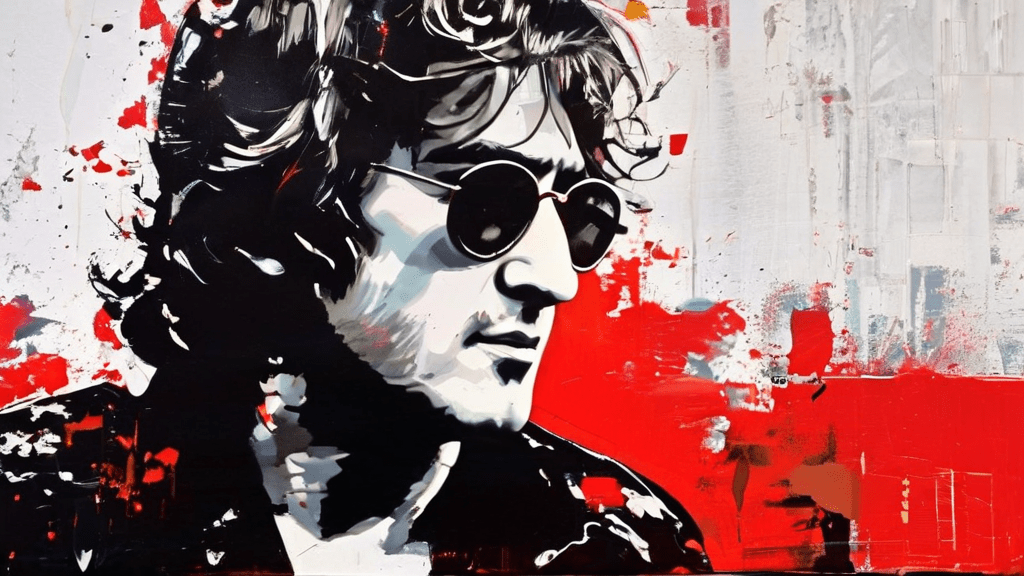
On December 8, 1980, the world was stunned by the assassination of John Lennon, a legendary member of the Beatles, outside his home at the Dakota in New York City. Lennon’s death marked the tragic end of a career that had profoundly influenced music, activism, and global culture. His assassination sparked not only mourning but also reflection on the ideals he championed, from peace to counterculture movements. The event left an enduring mark on the English language, popularizing phrases and terms tied to his life, music, and untimely death.
Key Vocabulary Introduced or Popularized
Expressions of Mourning and Legacy
- “Gone too soon”: This phrase gained prominence in public tributes to Lennon, expressing grief over the premature loss of influential figures.
- “Musical legacy”: Often used to describe Lennon’s enduring influence on music and culture, particularly in discussions of the Beatles’ innovative contributions to rock and pop.
- “Imagine peace”: Drawn from Lennon’s iconic song Imagine, this phrase became a global symbol of his commitment to pacifism and social justice.
Activism and Counterculture Terminology
- “Pacifism”: A central theme of Lennon’s activism, this term reflects his dedication to nonviolence, peace protests, and opposition to war.
- “Counterculture”: Lennon was a leading figure in the counterculture movements of the 1960s and 1970s, a term that defines social movements challenging mainstream norms.
- “Give peace a chance”: The title of one of Lennon’s peace anthems, this phrase evolved into a rallying cry for anti-war movements worldwide.
Music and Cultural Vocabulary
- “Beatlemania”: Coined during the Beatles’ rise to global fame, this term captures the frenzy and devotion of their fans, symbolizing the transformative power of popular music.
- “Icon”: While already in use, this term gained greater association with Lennon after his death, emphasizing his unparalleled cultural impact.
Influence on English Language and Society
Lennon’s life and tragic death influenced how English speakers articulate themes of creativity, activism, and loss, leaving a linguistic legacy that resonates across generations.
Expressions of Mourning and Tribute
The assassination prompted a global outpouring of grief, influencing the language of mourning:
- “Gone too soon” and “taken before their time” became common phrases to honor those lost unexpectedly, particularly public figures.
- The focus on Lennon’s “musical legacy” reinforced the idea of honoring contributions that outlive their creators.
Advancing the Language of Activism
Lennon’s activism expanded the vocabulary of peace and social change:
- Terms like “pacifism” and “nonviolent resistance” became more prominent in English discourse, inspired by Lennon’s high-profile protests and songs.
- The phrases “Imagine peace” and “give peace a chance” became enduring slogans, used in campaigns for world peace and human rights.
Impact on Artistic and Cultural Lexicon
Lennon’s contributions to music and art enriched English with language reflecting creativity and cultural transformation:
- The enduring concept of “Beatlemania” symbolized the unifying and disruptive power of popular music in global culture.
- His legacy helped popularize terms like “icon” and “legend” in their modern sense, celebrating figures whose influence transcends their lifetimes.
Broader Impacts on English Discourse
Metaphorical Usage
The language surrounding Lennon’s assassination evolved into broader cultural metaphors:
- “Imagine” became a shorthand for envisioning a better, more peaceful world, reflecting the power of art to inspire societal change.
- “John Lennon moment” is sometimes used to describe transformative acts of creativity or activism.
Inspiring the Language of Remembrance
Lennon’s death influenced how society discusses the loss of cultural figures:
- The phrase “musical legacy” set a standard for framing the enduring influence of artists.
- Tribute songs and public memorials became a language of collective grief, creating new traditions of honoring public figures.
A Linguistic Legacy of Peace and Creativity
The assassination of John Lennon on December 8, 1980, marked a profound loss not only to music but also to global culture and ideals. His enduring influence on the English language is reflected in the vocabulary of peace, activism, and cultural impact. Terms like “imagine peace”, “counterculture”, and “musical legacy” symbolize his dual role as an artist and activist.
Through his music, advocacy, and tragic passing, Lennon’s life continues to shape the language of remembrance, hope, and social change, underscoring the transformative power of words and ideas. His legacy reminds us of the capacity of art to inspire and the resilience of language to preserve those inspirations for generations to come.
Originally published on December 8, 2024, on The-English-Nook.com.
 What Happened on This Day?
Leave a comment