
December 9, 1608
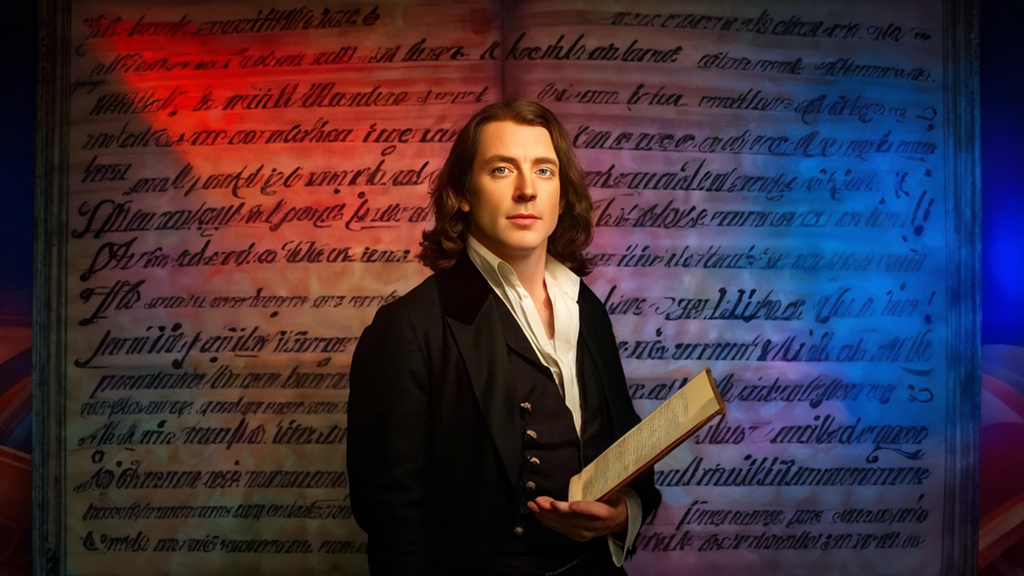
On December 9, 1608, John Milton, one of the greatest poets in English literature, was born in London. Milton’s works, particularly his epic poem Paradise Lost, have left an indelible mark on the English language. Through his rich use of imagery, profound themes, and inventive language, Milton not only influenced the literary canon but also contributed significantly to English vocabulary and the way complex ideas are expressed in theology, politics, and human nature. His legacy continues to resonate, shaping English prose and poetic traditions centuries after his time.
Milton’s Linguistic Contributions
Milton’s writing is characterized by a majestic command of language, combining classical influences with his own innovative flair. His works introduced and popularized numerous terms, phrases, and stylistic elements in the English language.
Key Terms Coined or Popularized by Milton
- “Pandemonium”
- Meaning the “place of all demons,” Milton used this term in Paradise Lost to name the capital of Hell. Over time, it evolved to signify chaos or uproar, becoming a staple in English.
- Example: “The announcement caused pandemonium in the room.”
- “All hell broke loose”
- This vivid phrase, describing unleashed chaos and disorder, originates from Paradise Lost and is widely used in modern English.
- “Lucifer”
- Although the term predates Milton, his portrayal of Lucifer as a complex, tragic figure in Paradise Lost solidified its association with the fallen angel and the embodiment of rebellion.
- “Self-delusion”
- Milton explored the concept of self-deception through his characters, particularly Satan, and contributed to the term’s broader use in discussions of psychology and human behavior.
- “Fortunate fall” (Felix culpa)
- Derived from theological discourse, this term is used in Paradise Lost to suggest that humanity’s fall from grace leads to redemption through Christ. It has since become a phrase for finding unexpected good in misfortune.
Milton’s Impact on English Vocabulary and Style
Expanding Vocabulary
Milton’s works, filled with Latinate terms and inventive word combinations, expanded English vocabulary:
- Neologisms: Milton coined or popularized words like “unoriginal,” “unbuild,” and “Satanic,” contributing to the adaptability of English.
- Elevated diction: His blending of high, formal language with vernacular expressions enriched the depth and versatility of English.
Revolutionizing Poetic Form
Milton’s blank verse in Paradise Lost influenced the rhythm and structure of English poetry:
- He demonstrated the power of unrhymed iambic pentameter in epic storytelling, inspiring later poets like William Wordsworth and T.S. Eliot.
Theological and Philosophical Language
Milton’s deep engagement with theology, liberty, and free will brought clarity and vigor to English discussions on these subjects:
- His exploration of “free will” versus “predestination” shaped English philosophical and religious discourse.
- By presenting universal themes, Milton expanded the language available for discussing human struggles and divine justice.
Enduring Phrases and Literary Devices
Symbolic Phrases
Milton’s memorable turns of phrase have become part of everyday English:
- “Better to reign in Hell than serve in Heaven”: Reflects themes of pride and independence.
- “Darkness visible”: A paradoxical phrase describing tangible darkness, used metaphorically for despair or confusion.
Metaphors and Allegory
Milton’s use of allegory and metaphor set a standard for English literary expression, influencing how abstract ideas are represented in both poetry and prose:
- His depiction of Heaven, Hell, and the Garden of Eden established enduring archetypes in Western literature.
Milton’s Broader Influence on English Culture
Impact on Literature
- Writers such as Mary Shelley, William Blake, and T.S. Eliot drew on Milton’s themes and style, cementing his role as a cornerstone of English literature.
- Paradise Lost remains a benchmark for epic storytelling, inspiring generations of poets and novelists.
Contributions to Political Discourse
Milton’s prose works, including Areopagitica, argued for freedom of speech and press, introducing terms like “marketplace of ideas” into English political discourse. These ideas continue to shape discussions on civil liberties and democracy.
Religious and Moral Dialogue
Milton’s profound engagement with theology made his works central to English discussions of morality, redemption, and human nature:
- His treatment of sin, temptation, and repentance provided a framework for exploring ethical dilemmas.
Milton’s Linguistic and Cultural Legacy
John Milton’s birth on December 9, 1608, marked the beginning of a life that would revolutionize English language and literature. Through his works, particularly Paradise Lost, Milton introduced enduring vocabulary, enriched poetic and rhetorical styles, and provided new frameworks for discussing theological, political, and philosophical ideas.
His phrases, like “Pandemonium”, and his exploration of universal themes ensure his influence endures in both everyday English and the literary canon. Milton’s legacy exemplifies how language can transcend time, becoming a tool for exploring the human condition and articulating the profound interplay of good, evil, and free will.
Originally published on December 9, 2024, on The-English-Nook.com.
 What Happened on This Day?
Leave a comment