
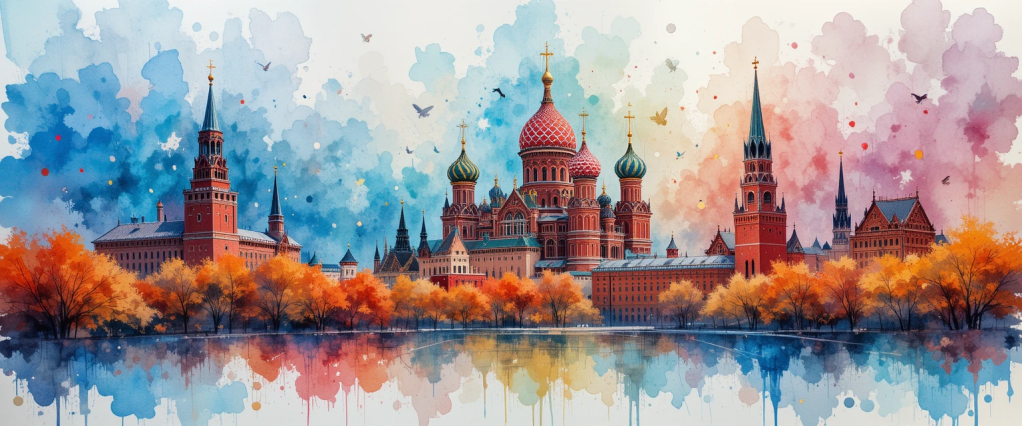
February 8, 1725
The Tsar Who Bridged Russia and the West
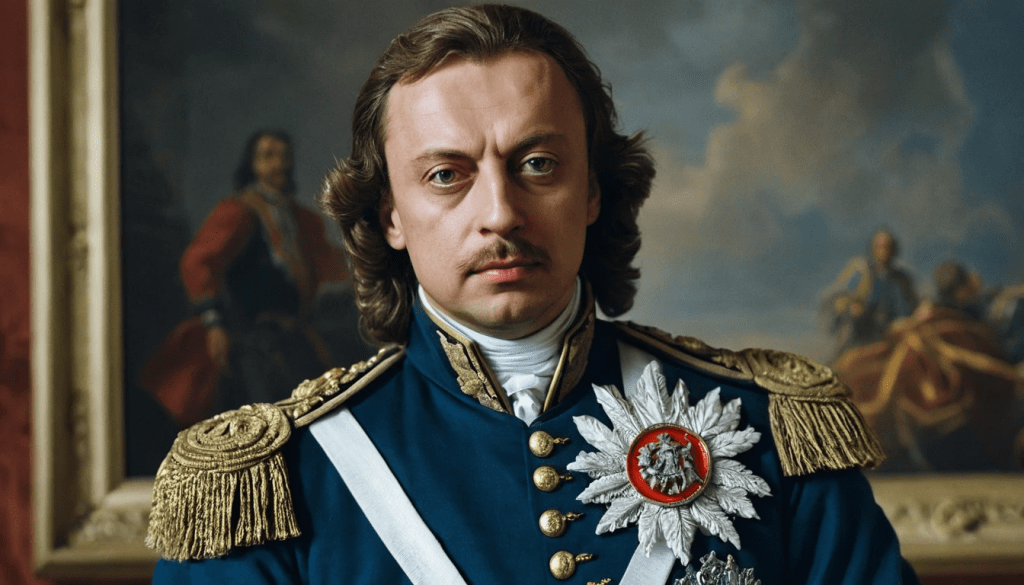
On February 8, 1725, Peter the Great, the transformative Tsar of Russia, passed away after a reign that dramatically reshaped his nation. His rule, which lasted from 1682 until his death, marked a period of aggressive modernization and Westernization, pulling Russia from medieval isolation into the sphere of European political, military, and cultural influence. By adopting European technologies, governance models, and cultural norms, Peter not only changed Russia’s trajectory but also strengthened linguistic exchanges between Russia and the English-speaking world.
Peter’s policies and ambitions brought Russia into greater contact with Britain and other Western nations, leading to the introduction of Russian words into English vocabulary while also encouraging the spread of English influence into Russian society. His efforts redefined Russia’s identity on the global stage, and in doing so, he indirectly shaped the evolution of diplomatic, political, and cultural language between Russia and the English-speaking world.
Peter the Great’s Linguistic Legacy in English
1. Russian Words and Place Names Entering English
Peter’s reign helped make Russia a key player in European diplomacy and trade, which led to an increased presence of Russian terms in the English language. Some of the most notable include:
- “Tsar” (or “Czar”) – While the term originates from the Latin Caesar, Peter’s expansionist policies and Western diplomacy helped popularize it in English political and historical discourse, where it became synonymous with absolute rulers or autocratic leadership. Later, it was adapted metaphorically in English (e.g., “drug czar” for a government official with sweeping powers).
- “Siberia” – The vast, remote region of Russia became widely known in English due to Peter’s territorial expansion and use of Siberia for exile and resource exploitation. The term is now often associated with cold, desolation, and harsh punishment, as in the phrase “sent to Siberia.”
- “St. Petersburg” – Peter’s most ambitious city-building project, St. Petersburg, was founded in 1703 as Russia’s new, European-style capital. The name entered English political and geographical discourse as the city became a major center of diplomacy and trade between Russia and Europe.
2. Russian Political and Cultural Concepts in English
Peter’s military reforms, trade policies, and diplomatic efforts made Russia an essential part of European power struggles, leading to an increased English interest in Russian governance, culture, and identity. His reign helped introduce and popularize several Russian-associated terms in English:
- “Boyar” – Peter weakened the power of the boyars (Russian nobility), but the term became known in English to describe the feudal aristocracy of Russia.
- “Duma” – While the Russian Duma (parliament) was only fully established much later, Peter’s early administrative reforms introduced advisory councils and bureaucratic structures that made English speakers more aware of Russian governance.
- “Orthodox Church” – Peter restructured the Russian Orthodox Church, eliminating the Patriarchate and placing religious affairs under state control. His efforts contributed to greater awareness in English-speaking countries of the differences between Eastern Orthodox Christianity and Western Christian traditions.
- “Imperial Russia” – Peter’s proclamation of Russia as an Empire in 1721 gave rise to the term “Imperial Russia,” which entered English historical and political vocabulary to describe Russia’s expansionist, autocratic rule.
3. Diplomatic and Military Language Influences
Peter the Great’s aggressive foreign policy and military campaigns had a direct impact on European diplomatic language, including terms and expressions used in English political discussions:
- “The Great Northern War” – This conflict (1700–1721), in which Peter led Russia against Sweden, introduced military and geopolitical terminology that became part of English-language discussions about power shifts in Northern and Eastern Europe.
- “Westernization” – Peter’s extensive modernization efforts, particularly in adopting Western customs, fashion, and governance, reinforced the term Westernization as a descriptor for nations adopting European-influenced practices. The phrase continues to be used in English today, referring to global cultural shifts.
- “Table of Ranks” – Peter introduced a bureaucratic system known as the Table of Ranks, which categorized government and military officials. This concept influenced discussions on meritocracy and structured governance in English-language discourse.
4. English Influence on Russian Language and Society
While Peter’s reign introduced Russian terms into English, he also brought English influences into Russian society, particularly in the fields of science, navigation, and industry. English shipbuilding terminology, for example, became integrated into Russian naval vocabulary due to Peter’s efforts to create a modern navy based on British and Dutch models. Words related to commerce, governance, and technology flowed between the two languages as Peter opened Russia to trade and education exchanges with Britain.
Additionally, Peter’s fondness for British and European customs led to the introduction of Western-style diplomatic etiquette, dress, and philosophy into Russian culture. This Anglo-European influence on Russia deepened linguistic exchanges between the two nations, shaping later diplomatic language and cross-cultural communication.
A Tsar Who Transformed Language and Global Discourse
Peter the Great’s legacy extends far beyond military conquests and political reforms—he reshaped Russia’s relationship with Europe and, in doing so, had a profound impact on the English language and global discourse. His efforts led to:
- The introduction of Russian words into English, such as “czar,” “Siberia,” and “St. Petersburg”.
- Increased English awareness of Russian political, cultural, and religious structures, reinforcing terms like “boyar,” “Orthodox Church,” and “Imperial Russia.”
- The expansion of diplomatic and military terminology, particularly around Russia’s growing role in European affairs.
- The adoption of English influences in Russian society, further strengthening linguistic and cultural exchanges between the two nations.
Through language, diplomacy, and modernization, Peter’s legacy continues to shape historical narratives and political discussions in both Russian and English-speaking cultures. His ambitious reforms ensured that Russia became a permanent fixture in global affairs, embedding Russian terminology into English vocabulary, literature, and diplomatic language.
Peter the Great didn’t just modernize Russia—he left his mark on the English language too! 🚢📜
Originally published on February 8, 2025, on The-English-Nook.com.
Visit my page to find out ‘What Happened on this Day?‘ and learn ‘The Word of the Day‘—you’ll find it here first and all in one place!
If you’re a language enthusiast, you’ll have access to a variety of resources, including short stories in English and Spanish, interesting readings, vocabulary, and much more—not just for English, but also for Spanish. Come check it out!
 What Happened on This Day?
Leave a comment