
2025 February
-
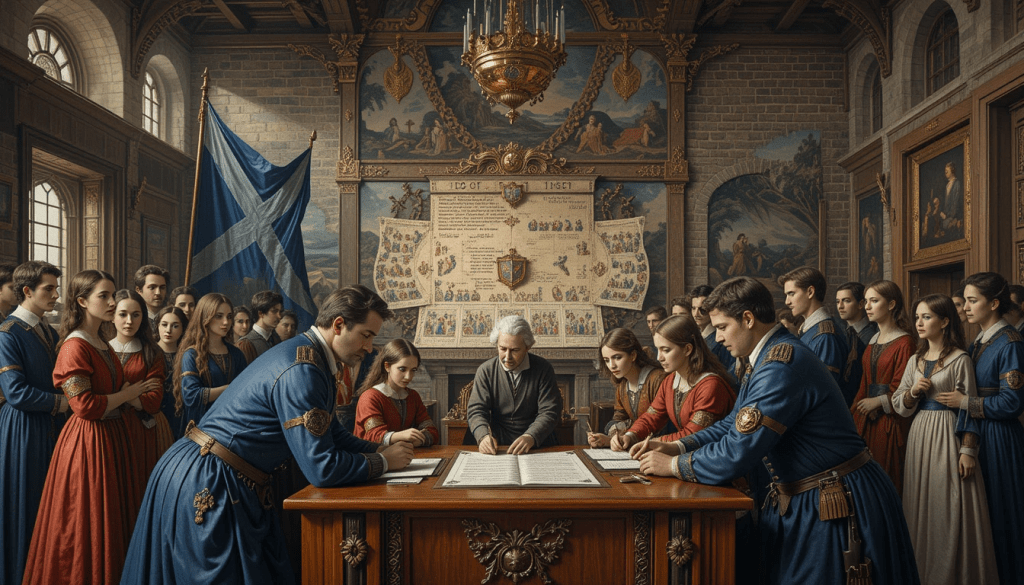
The National Covenant of 1638 reshaped religious and political discourse in English. Terms like Covenanter, lawful resistance, and National Covenant emerged, influencing constitutional struggles and religious movements. Its legacy continues in discussions on civil liberties, government accountability, and the relationship between faith and political authority.
-

The Edict of Thessalonica (380) declared Nicene Christianity the Roman Empire’s official religion, reshaping religious language. Terms like heresy, orthodoxy, and sacrament became integral to English religious discourse, shaping theological, legal, and literary traditions for centuries.
-
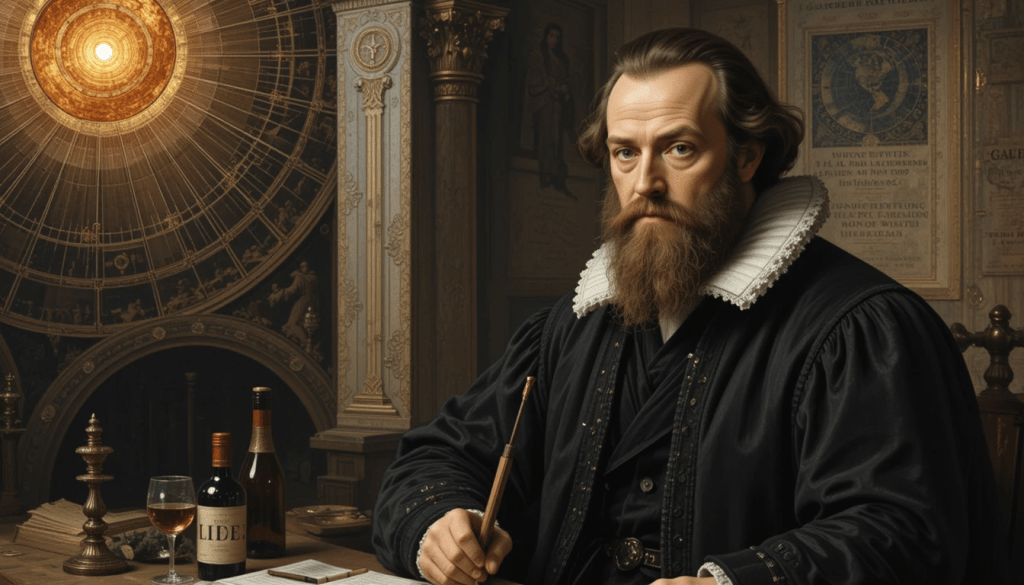
On February 26, 1616, Galileo was condemned for promoting heliocentrism, challenging religious and scientific norms. His work not only advanced astronomy but also shaped scientific vocabulary, introducing terms like “telescope” and “empirical evidence.” His legacy remains central to scientific discourse, reinforcing the power of observation and reason over dogma.
-
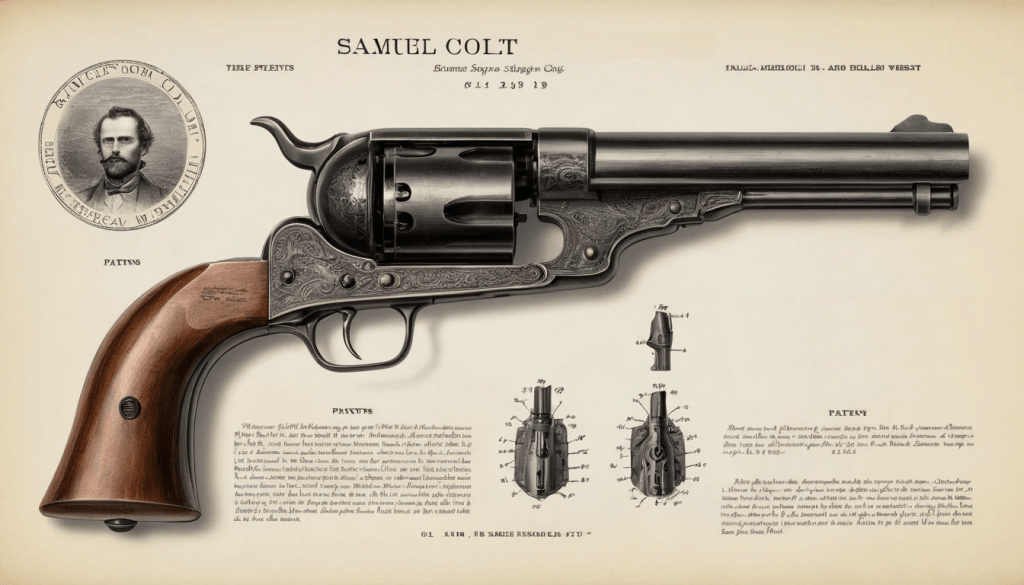
Samuel Colt’s revolver revolutionized not just firearms but also language. Terms like six-shooter, quick-draw, and shootout became iconic, shaping American English. The revolver’s impact extended into literature, cinema, and slang, ensuring its legacy far beyond the battlefield—its linguistic influence remains as enduring as its place in history.
-
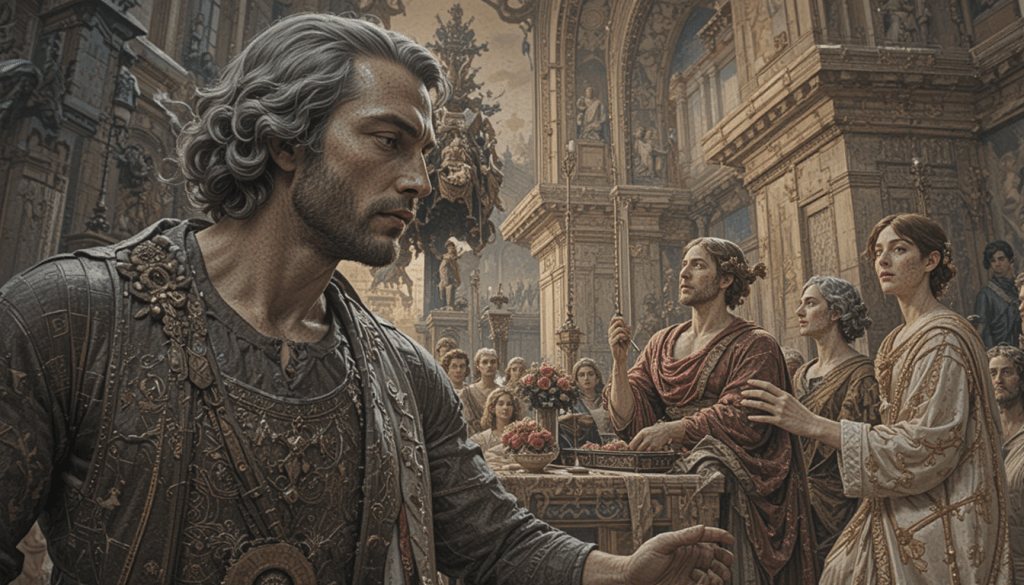
On February 24, 1607, Monteverdi’s L’Orfeo debuted in Mantua, revolutionizing opera. Its legacy shaped music, theatre, and even English vocabulary. Words like “aria” and “crescendo” remain in use today, illustrating how opera’s influence extended beyond the stage, enriching artistic expression and storytelling across cultures and centuries.
-
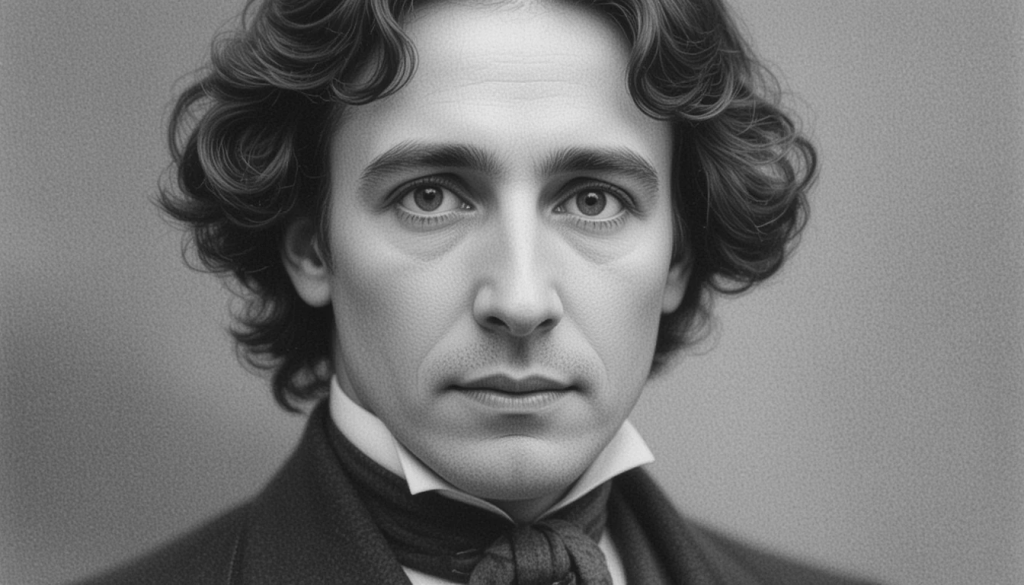
John Keats’ poetic legacy endures through his vivid imagery, musical language, and deep philosophical ideas. His phrases, like “A thing of beauty is a joy forever,” remain part of everyday speech, influencing literature, philosophy, and modern art. Keats’ mastery of poetic expression ensures his place in the evolution of English.
-
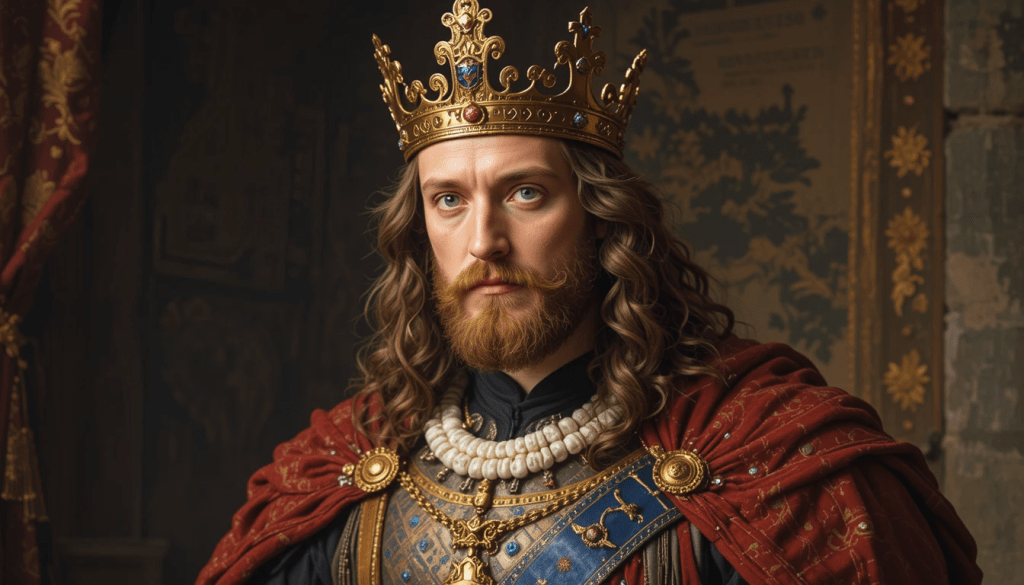
On February 22, 1371, Robert II was crowned King of Scotland, beginning the Stewart dynasty. His reign influenced the evolution of English by promoting Scots as a literary language and introducing Scottish words and expressions into modern English, enriching its vocabulary, literature, and cultural heritage.
-
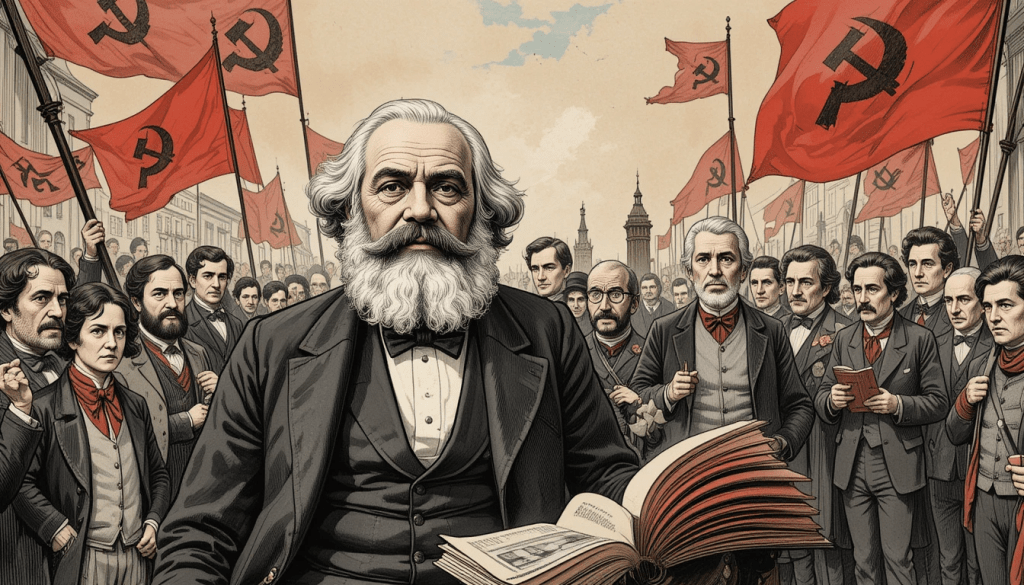
The Communist Manifesto reshaped English discourse, introducing terms like “bourgeoisie,” “proletariat,” and “class struggle.” Its fiery rhetoric influenced political debates, journalism, and literature. Even in capitalist contexts, its terminology remains essential for discussing economic inequality, labor rights, and social movements, proving its linguistic and ideological legacy endures today.
-
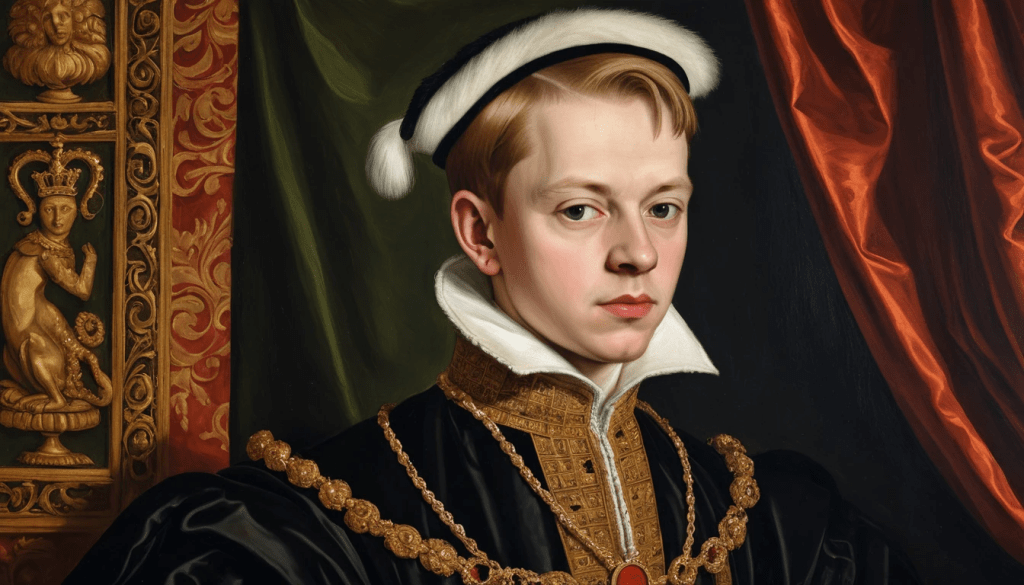
Edward VI’s reign saw English replace Latin in religious services, shaping modern religious vocabulary. The 1549 Book of Common Prayer and English Bible translations made scripture accessible, influencing formal English prose. His reforms standardized religious terminology, laying the groundwork for the King James Bible and the dominance of English in worship.
-

Amy Tan redefined English literature by weaving Chinese-American immigrant narratives into the mainstream. Her bilingual prose, cultural idioms, and intergenerational themes expanded representation, proving that immigrant stories are universal.
 What Happened on This Day?