
February 16, 1968
The Call That Changed Emergency Response
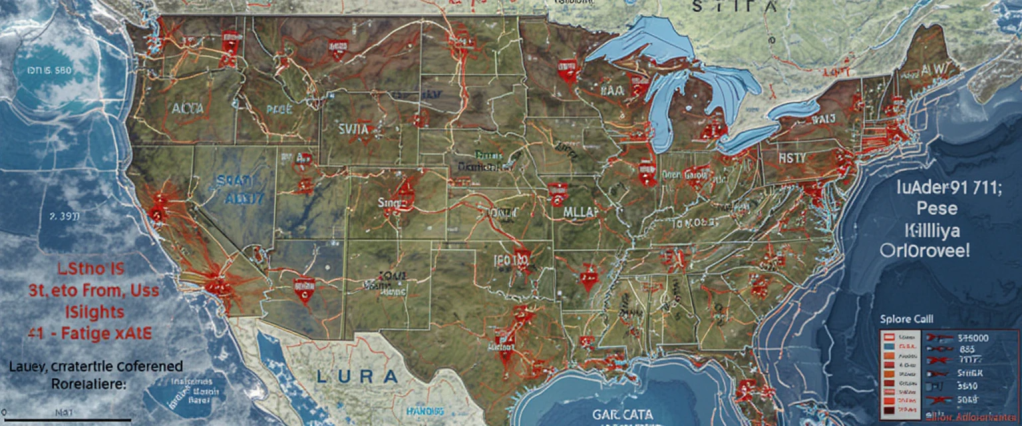
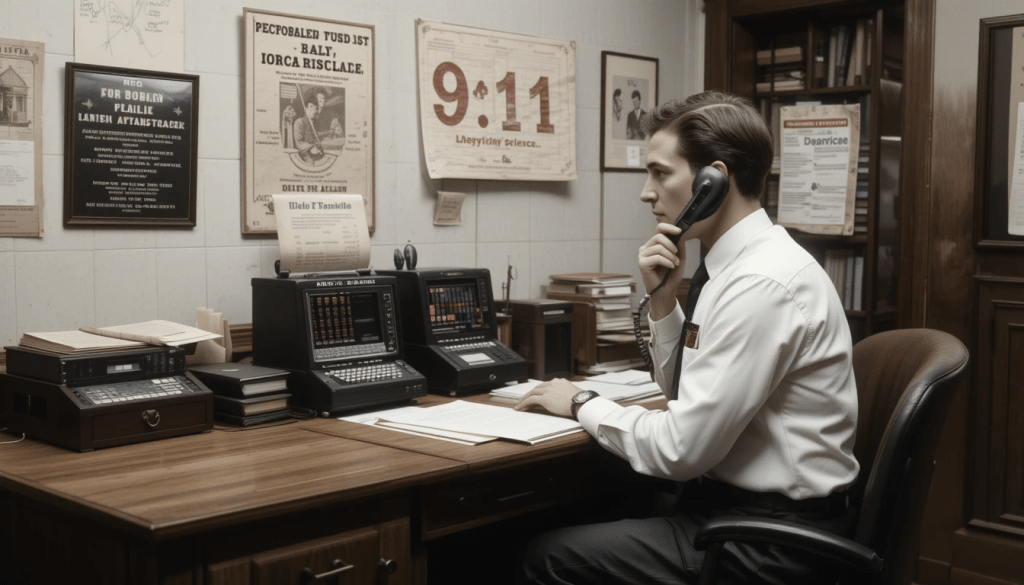
On February 16, 1968, the first-ever 9-1-1 call in the United States was made in Haleyville, Alabama. The historic call was placed by Alabama State Representative Rankin Fite from the mayor’s office to U.S. Representative Tom Bevill at the local police station. This marked the official inauguration of the 9-1-1 emergency telephone system, which revolutionized emergency response services across the nation and became a crucial part of modern public safety.
The introduction of the 9-1-1 system brought about significant changes in how emergencies were reported and handled, streamlining communication and improving response times. The system’s development also influenced the use of specific terms and concepts in emergency services, many of which remain central to modern discourse today.
1. Linguistic Impact of the 9-1-1 System on Emergency Response Terminology
The implementation of the 9-1-1 system introduced new phrases and concepts that became integral to public safety communication and emergency services:
- “Emergency call center” – Centralized facilities for handling 9-1-1 calls became essential in coordinating police, fire, and medical responses.
- “First responder” – A term used to describe police officers, firefighters, and paramedics who are the first to arrive at the scene of an emergency.
- “Dispatch” – The process of assigning emergency personnel to a specific location gained widespread use with the rise of 9-1-1 services.
- “Priority response” – This phrase became central to determining the urgency of emergency calls and how resources were allocated.
- “Public safety answering point (PSAP)” – A technical term for the call centers where 9-1-1 calls are received, highlighting the system’s organization.
These terms helped standardize communication across different agencies and jurisdictions, ensuring more efficient coordination during emergencies.
2. Nationwide Expansion of the 9-1-1 System
The success of the inaugural call in Haleyville set the stage for the nationwide adoption of the 9-1-1 system:
- Adoption Across States – Following Haleyville’s example, cities and states across the country began implementing 9-1-1 services throughout the 1970s and 1980s, with the system eventually becoming the national standard.
- Urban and Rural Coverage – Efforts were made to ensure both urban and rural areas had access to emergency services, leading to advancements in telecommunications infrastructure.
- Technological Integration – The rise of cell phones and digital communications in later decades further expanded the reach and efficiency of 9-1-1 services.
3. Cultural and Technological Influence on Modern Emergency Services
The introduction of 9-1-1 had lasting effects on how society views and handles emergencies:
- “9-1-1 Awareness” – Educational campaigns were launched to teach the public when and how to use the system appropriately.
- Emergency Drills – Schools, workplaces, and public institutions began conducting regular emergency response drills to prepare for potential crises.
- Enhanced Location Tracking – Modern advancements in GPS technology allowed dispatchers to pinpoint the caller’s location, greatly improving response accuracy.
4. Evolution of Emergency Communication Terminology
Over time, new terms related to emergency services entered everyday language:
- “Enhanced 9-1-1 (E9-1-1)” – A system upgrade that automatically provides the caller’s location to the dispatcher.
- “Silent call” – A call where the caller is unable to speak but can still signal for help by leaving the line open or using automated prompts.
- “Next Generation 9-1-1 (NG9-1-1)” – The current phase of emergency services, incorporating text, video, and data-sharing capabilities to enhance response efforts.
The Legacy of the First 9-1-1 Call
The inaugural 9-1-1 call on February 16, 1968, was more than a technological milestone—it marked a turning point in public safety. By streamlining emergency communication and introducing key terms into the public lexicon, the 9-1-1 system transformed how communities respond to crises.
Over half a century later, the vocabulary and systems born from that first call continue to evolve with technological advancements and societal needs, ensuring that emergency services remain a vital part of public safety in the modern world.
One call changed everything—9-1-1, the lifeline that never stops evolving!
Originally published on February 16, 2025, on The-English-Nook.com.
Visit my page to find out ‘What Happened on this Day?‘ and learn ‘The Word of the Day‘—you’ll find it here first and all in one place!
If you’re a language enthusiast, you’ll have access to a variety of resources, including short stories in English and Spanish, interesting readings, vocabulary, and much more—not just for English, but also for Spanish. Come check it out!
 What Happened on This Day?
Leave a comment