

March 19, 1931
Nevada Legalizes Gambling and Enriches the English Lexicon
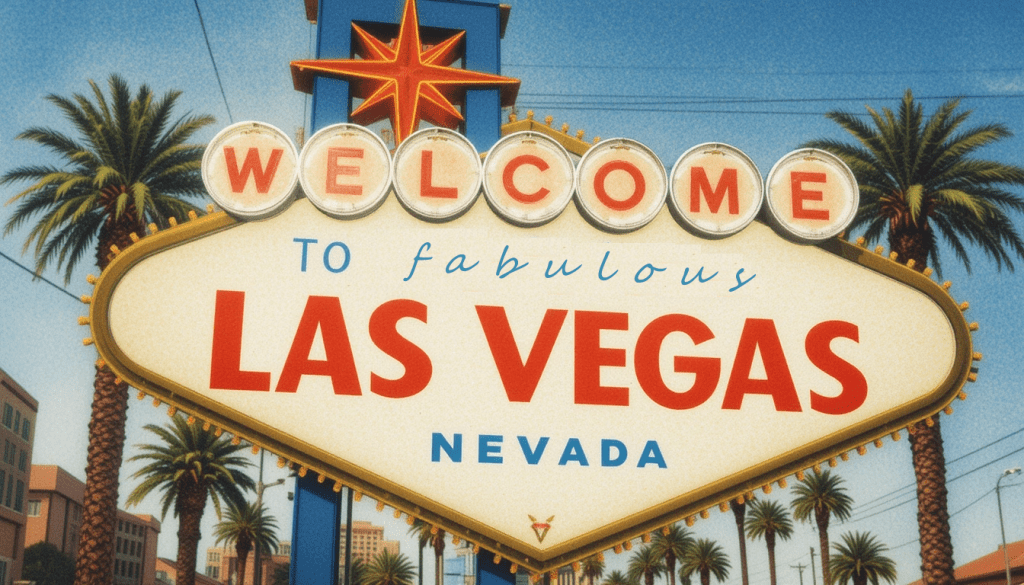
On March 19, 1931, the state of Nevada legalised gambling, a decision that would transform the city of Las Vegas into the gambling capital of the world. This pivotal moment not only shaped the entertainment industry but also enriched the English language with a host of gambling-related words, idioms, and expressions.
The Influence of Gambling on English Vocabulary
With the legalisation of gambling, a distinct casino culture emerged, bringing with it a range of specialised terminology that soon entered everyday English. Many of these terms are now used far beyond the world of gambling, influencing business, politics, and popular culture.
1. Gambling Terminology in Everyday English
Several words and phrases that originated in casinos have become common idioms in English, often used in business, sports, and decision-making contexts:
- “Jackpot” – Originally referring to a large gambling payout, “hitting the jackpot” now means achieving an unexpected success or windfall in any area of life.
- “High roller” – Originally describing a gambler who wagers large sums, it now refers to anyone with a lavish lifestyle or a big-spending customer.
- “All in” – Taken from poker, where a player bets all their chips, it now means fully committing to a decision or action.
- “Raise the stakes” – A phrase derived from betting, meaning to increase the risk or reward in any situation.
- “The house always wins” – A reminder that casinos are designed to profit, this phrase has evolved to describe any system that is inherently unfair to participants.
These expressions have moved far beyond gambling tables, finding their way into business negotiations, political strategies, and even everyday decision-making.
2. The Expansion of Casino and Gaming Terminology
Nevada’s embrace of gambling also introduced new words and phrases directly related to casino gaming and betting culture, such as:
- “Casino” – The word itself, of Italian origin, became more widely used in English following the rise of Las Vegas.
- “Pit boss” – A term for the supervisor overseeing a casino floor, which later gained figurative use for someone managing a high-pressure environment.
- “Card shark” – Used to describe a highly skilled or deceptive card player, often applied metaphorically to cunning individuals in other fields.
- “House edge” – A term that signifies the built-in advantage a casino has over players, which has since been adopted in discussions about market competition and finance.
- “Snake eyes” – Originally a term from craps referring to rolling double ones, it has come to mean bad luck or misfortune in general speech.
3. Gambling Idioms in Business and Politics
The strategic and risk-taking nature of gambling has made its terminology particularly influential in business and politics. Common expressions include:
- “Playing one’s cards right” – Meaning to make the best strategic decisions.
- “Holding all the cards” – Used when someone has a strong advantage in a negotiation or situation.
- “Bluffing” – Derived from poker, where players pretend to have a strong hand, now used in contexts of deception or negotiation tactics.
- “Rolling the dice” – A phrase meaning to take a risk with an uncertain outcome, popular in financial and entrepreneurial discussions.
- “A safe bet” – Referring to a low-risk decision or investment.
The Impact of Gambling on Popular Culture and Entertainment
Beyond language, Nevada’s gambling legalisation also influenced literature, film, and music, embedding gambling-related terms into the fabric of English-speaking culture.
- Films like Casino (1995), Ocean’s Eleven (2001), and Casino Royale (2006) popularised gambling slang worldwide.
- Songs like “Viva Las Vegas” (Elvis Presley) and “The Gambler” (Kenny Rogers) immortalised gambling expressions in musical storytelling.
- Books such as Fear and Loathing in Las Vegas (Hunter S. Thompson) and Casino Royale (Ian Fleming) further integrated gambling idioms into literature.
These cultural touchpoints reinforced the global impact of gambling terminology, making it an enduring aspect of the English language.
A Lasting Linguistic Legacy
The legalisation of gambling in Nevada on March 19, 1931 marked not only the rise of Las Vegas as a global gaming hub, but also the integration of gambling terminology into English. From poker tables to corporate boardrooms, and from casino floors to political campaigns, gambling-related phrases continue to shape the way people talk about risk, strategy, and chance in everyday life.
In essence, the language of gambling is now the language of life itself—where every decision is a bet, and every risk can be a jackpot or a bust.
Where poker chips fell, new words rose — gamble on language, and you just might hit the jackpot!
Originally published on March 19, 2025, on The-English-Nook.com.
Visit my page to find out ‘What Happened on this Day?‘ and learn ‘The Word of the Day‘—you’ll find it here first and all in one place!
If you’re a language enthusiast, you’ll have access to a variety of resources, including short stories in English and Spanish, interesting readings, vocabulary, and much more—not just for English, but also for Spanish. Come check it out!
 What Happened on This Day?
Leave a comment