
2025 March
-
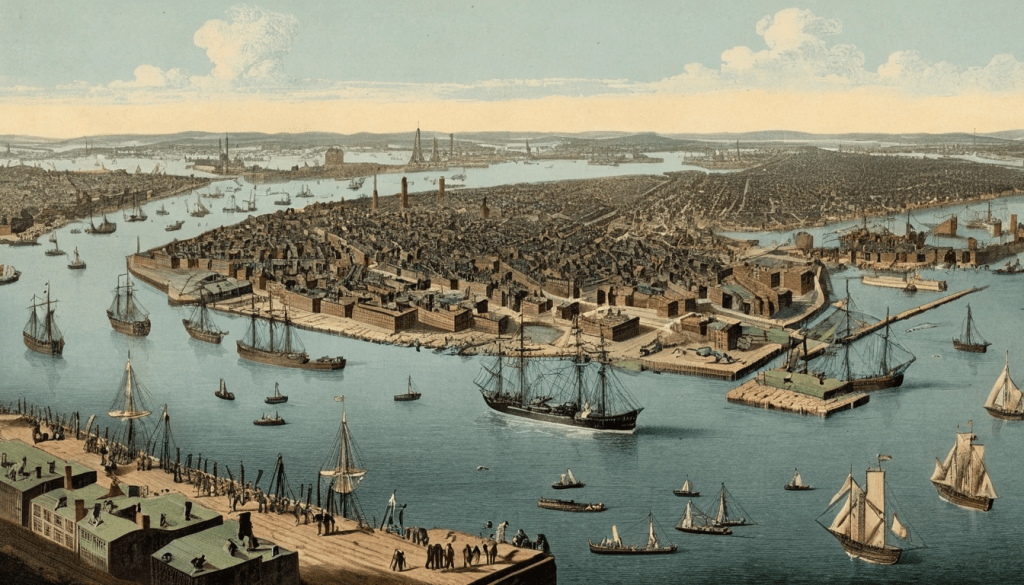
The Boston Port Act of 1774, meant to punish Massachusetts, fueled revolutionary rhetoric instead. It shaped political discourse, popularizing terms like “tyranny” and “unalienable rights,” and influenced legal and democratic language that persists today.
-
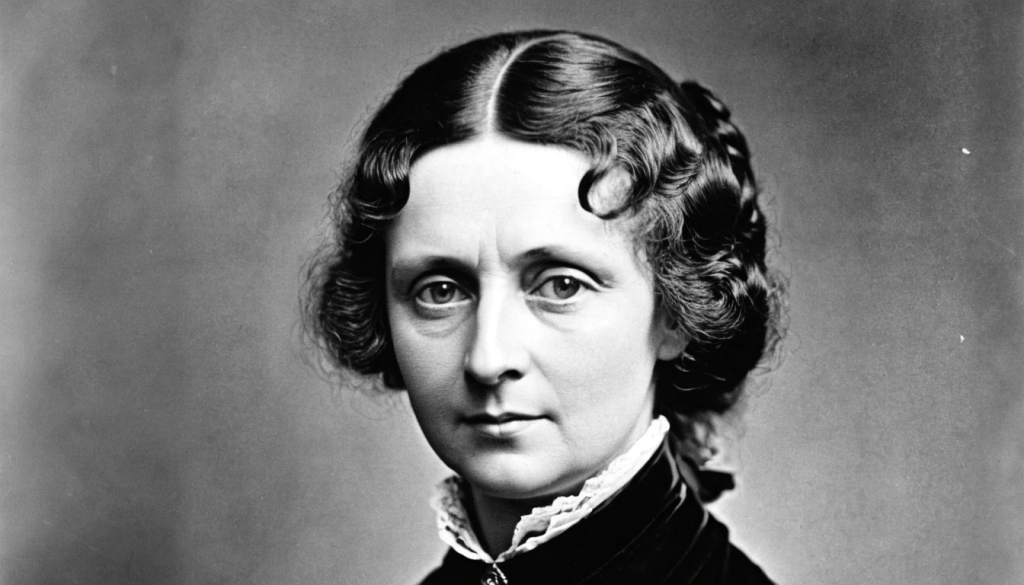
On March 30, 1820, Anna Sewell was born, later writing Black Beauty, a novel that shaped language and ethics. Her work introduced idioms, reinforced humane values, and influenced social reform.
-
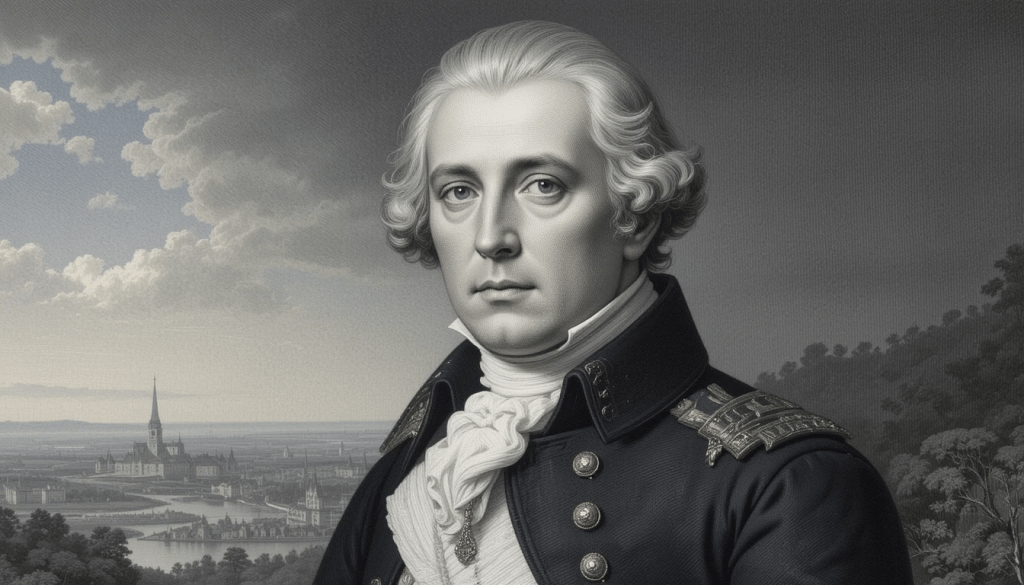
Marc René, Marquis de Montalembert, revolutionized not only military engineering but also the language of warfare. His legacy introduced key terms like “casemate” and “strategic fortification,” shaping military doctrine and defensive strategy. His influence endures in both fortifications and the vocabulary of war.
-

Alfred Hitchcock’s The Birds (1963) redefined horror by blending psychological tension, innovative sound design, and an ambiguous narrative. Inspired by Daphne du Maurier’s story, the film remains a masterpiece of suspense, influencing generations of filmmakers and proving that terror can emerge from the simplest, most unexpected sources—like nature itself.
-
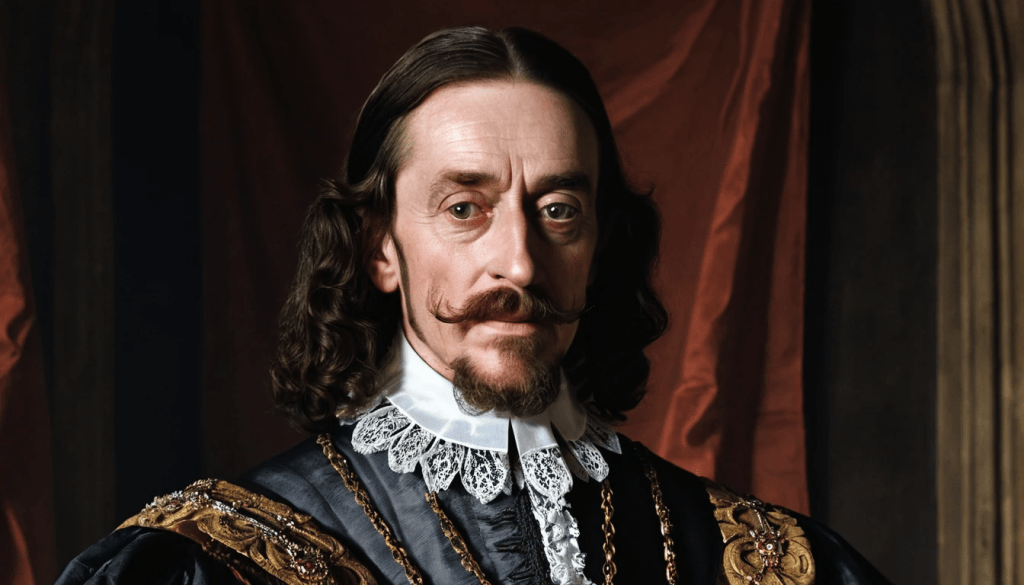
On March 27, 1625, Charles I ascended the throne, igniting conflicts that led to the English Civil War. His belief in the divine right of kings clashed with Parliament, fueling political and literary discourse. His execution in 1649 marked a turning point in monarchy, governance, and English historical thought.
-

On March 26, 1942, the literary world bid farewell to Carolyn Wells, a prolific American writer who authored over 170 works. Her legacy spans detective fiction and children’s literature, influencing generations through clever storytelling, pioneering the “whodunit” genre, and enriching the English lexicon with enduring mystery and playful language.
-
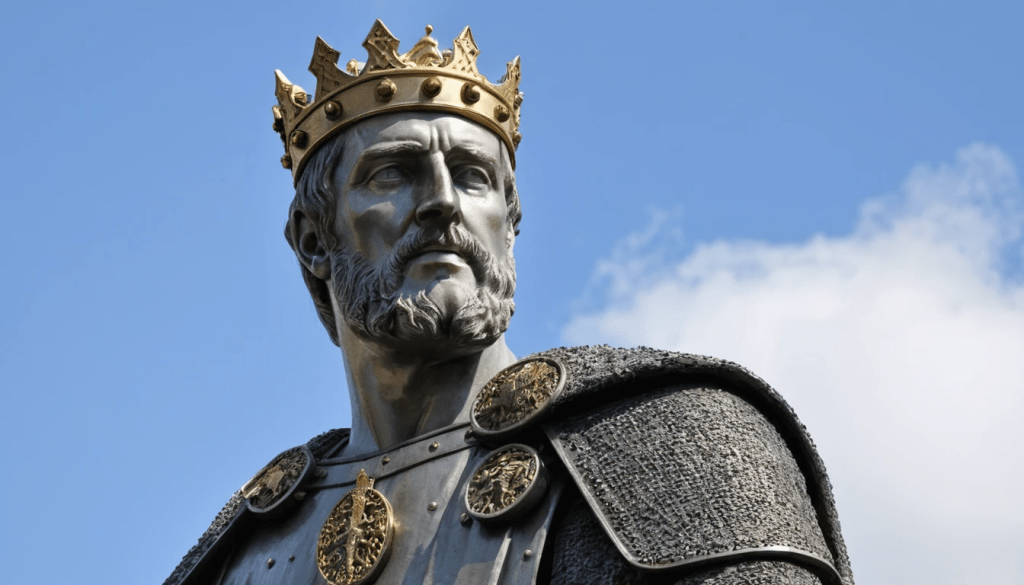
On March 25, 1306, Robert the Bruce’s coronation at Scone marked the birth of a legend. His struggle for Scottish independence inspired poetry, folklore, and political ideals. His perseverance, immortalized in stories like the spider’s lesson, forever shaped literature and speech, leaving a legacy of resilience that echoes through history.
-

On March 24, 1199, King Richard I, known as the Lionheart, was fatally wounded, but his legacy endured. His crusades, chivalric image, and presence in literature—from Robin Hood ballads to Shakespeare and Ivanhoe—cemented his role as an eternal symbol of heroism and kingship in English history and language.
-
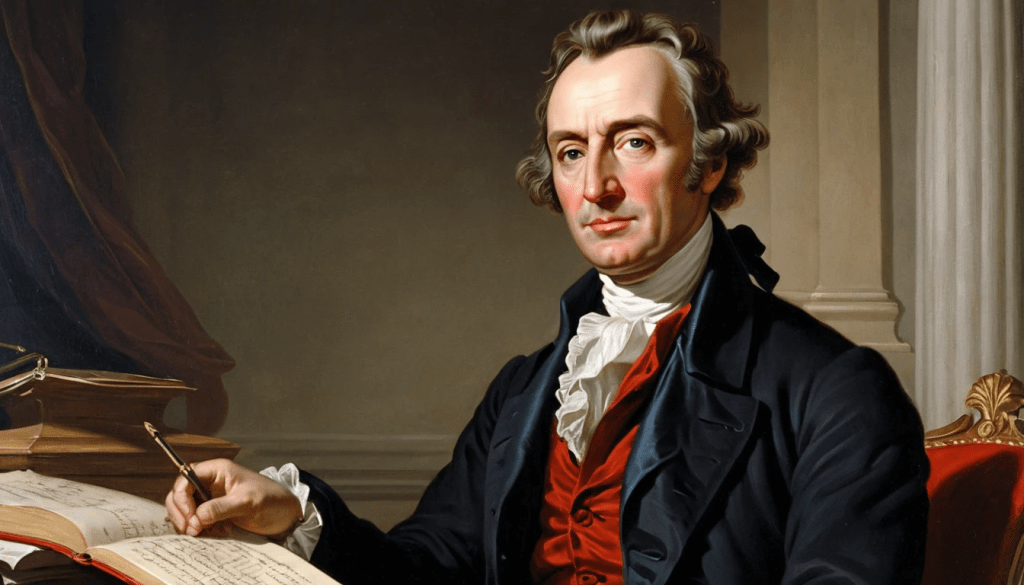
On March 23, 1775, Patrick Henry’s fiery declaration, “Give me liberty, or give me death!” became an enduring symbol of defiance and freedom. His speech shaped revolutionary rhetoric, political language, and cultural discourse, influencing generations of leaders, writers, and activists who continue to echo his passionate call for liberty.
-

Johann Wolfgang von Goethe’s influence on English literature and thought endures beyond his death on March 22, 1832. His masterpieces, notably Faust, introduced timeless concepts like the Faustian bargain and popularized literary forms such as the bildungsroman, shaping Romanticism, ethical debates, and storytelling traditions for generations of English writers.
 What Happened on This Day?