
March 21, 2013
Chinua Achebe’s Legacy in English Literature
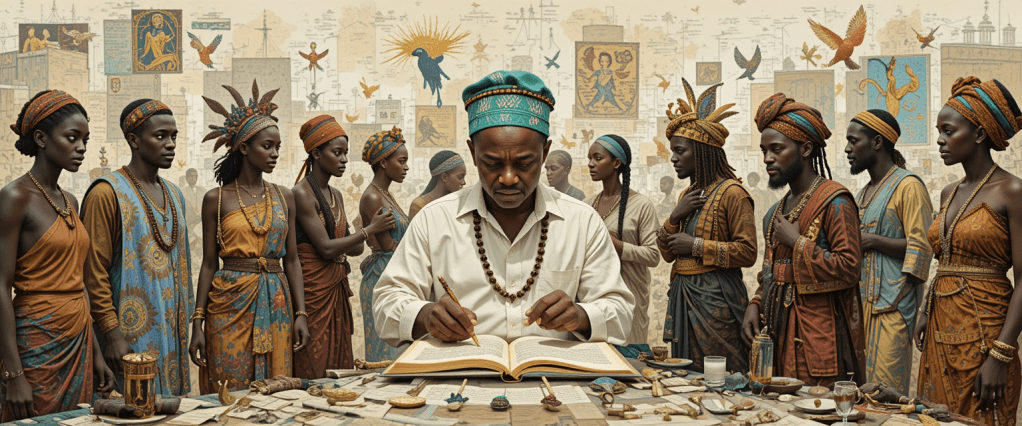
On March 21, 2013, Chinua Achebe, one of the most influential African writers of the 20th century, passed away. Best known for his groundbreaking novel Things Fall Apart (1958), Achebe reshaped English-language literature by bringing African perspectives, storytelling techniques, and cultural expressions into global literary discourse. His impact extended beyond literature into the realms of language, identity, and postcolonial thought, making his contributions invaluable to the evolution of English as a world language.
1. The Africanization of English Literature
Achebe’s works played a crucial role in challenging Eurocentric narratives in English-language literature. By writing in English while infusing it with Igbo idioms, proverbs, and oral storytelling traditions, he demonstrated how non-Western voices could transform the language to suit their own cultural realities.
- Igbo Proverbs and Expressions – Achebe frequently incorporated traditional Igbo proverbs, such as:
- “When the moon is shining, the cripple becomes hungry for a walk.” (illustrating optimism and possibility)
- “A man who makes trouble for others also makes trouble for himself.” (a lesson on karma and consequences)
These phrases added cultural richness to English and showcased the depth of African oral traditions.
- Blending of African and English Narrative Styles – Achebe merged Igbo storytelling techniques with English prose, influencing later writers in postcolonial and world literature.
2. Postcolonial Discourse and the Power of Language
Achebe’s works contributed to the decolonization of English literature, emphasizing the importance of language in shaping identity, history, and power structures.
- Critique of Colonialist Language – In essays like The African Writer and the English Language, Achebe argued that English could be reclaimed and adapted by African writers to tell their own stories rather than just those of the colonizers.
- Influence on Postcolonial Theory – His writings inspired thinkers like Ngũgĩ wa Thiong’o and Edward Said, shaping discussions on cultural hybridity, linguistic imperialism, and resistance through literature.
3. Popularization of African Literature in English
Achebe’s novels opened doors for African literature to be studied and appreciated worldwide, influencing countless authors and academic fields.
- Global Impact of Things Fall Apart – The novel introduced millions of readers to African history, pre-colonial societies, and colonial struggles, countering the stereotypes often found in Western literature.
- Expansion of English Literary Canon – Achebe’s success paved the way for African writers like Chimamanda Ngozi Adichie, Wole Soyinka, and Ben Okri to gain international recognition.
4. Key Terms and Phrases Popularized by Achebe
Achebe’s influence extended to the English lexicon, with certain words and concepts from his work becoming widely recognized:
- “Things Fall Apart” – The title of his most famous novel, drawn from W.B. Yeats’ poem The Second Coming, has become a widely used phrase in English, symbolizing chaos, collapse, or societal breakdown.
- “No Longer at Ease” – The title of another Achebe novel has become shorthand for a state of discomfort or cultural dislocation.
- “Chi” – A concept from Igbo spirituality meaning personal destiny or inner spirit, which Achebe helped introduce to global audiences.
5. Achebe’s Lasting Impact on the Evolution of English
Achebe’s literary contributions demonstrated that English is not just a Western language but a global medium that can be adapted by different cultures. His work:
- Expanded the scope of English-language storytelling, proving that African narratives deserve a place in world literature.
- Enriched English with African linguistic elements, ensuring that indigenous expressions found a home in global discourse.
- Inspired a new generation of writers, leading to a flourishing of African literature in English.
A Literary Giant’s Enduring Legacy
Chinua Achebe’s death on March 21, 2013, marked the loss of a literary giant, but his impact on English literature, postcolonial studies, and global storytelling remains alive. Through his works, he ensured that English would no longer be a tool of oppression but a vehicle for African voices and histories.
Achebe once wrote, “Until the lions have their own historians, the history of the hunt will always glorify the hunter.” His legacy ensures that the lions now have their voice, shaping English literature for generations to come.
He didn’t just write stories — he rewrote the language they’re told in.
Originally published on March 21, 2025, on The-English-Nook.com.
Visit my page to find out ‘What Happened on this Day?‘ and learn ‘The Word of the Day‘—you’ll find it here first and all in one place!
If you’re a language enthusiast, you’ll have access to a variety of resources, including short stories in English and Spanish, interesting readings, vocabulary, and much more—not just for English, but also for Spanish. Come check it out!
 What Happened on This Day?
Leave a comment