
April 5, 1974
A Breakthrough in Horror Fiction
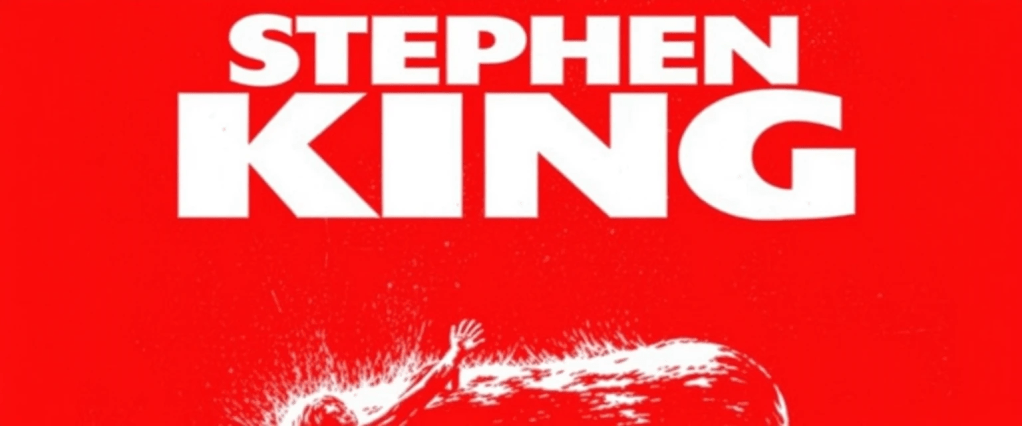
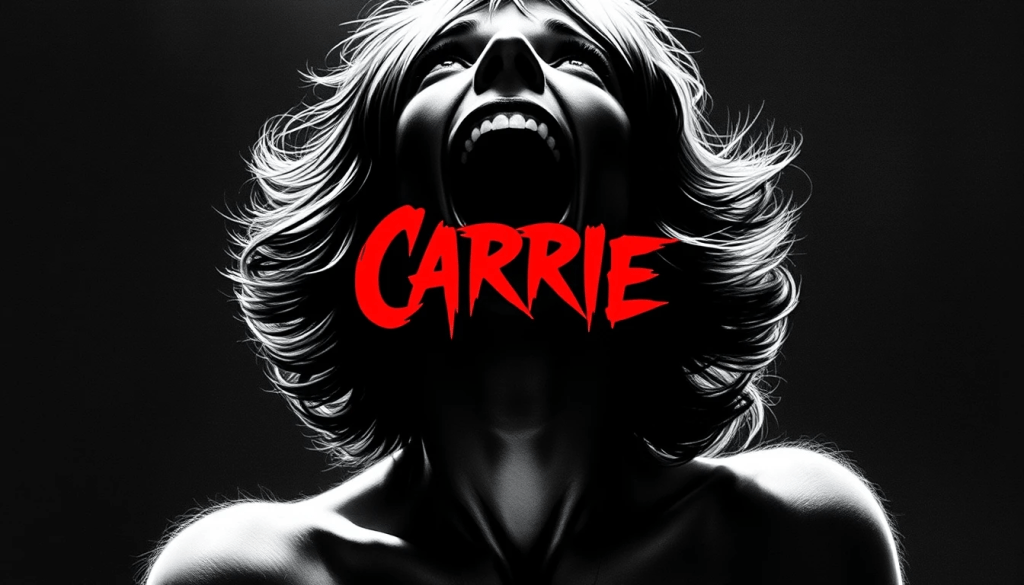
On April 5, 1974, Carrie, the debut novel by American author Stephen King, was released by Doubleday with an initial print run of 30,000 copies. Centering on a shy, bullied teenage girl who discovers she has telekinetic powers, the novel was an immediate success, selling over a million copies in its first year. Carrie launched King’s prolific career and became a defining moment in horror fiction, blending supernatural terror with psychological realism. This debut not only transformed the genre but also left a profound impact on the English language and the cultural vocabulary of horror.
Stephen King’s Language and Style in English Literature
Stephen King’s style—colloquial, character-driven, and emotionally charged—helped modernize and popularize horror for a mass audience. His narrative approach in Carrie introduced a distinctly American voice into horror fiction, using accessible language and real-world settings to make the terror feel immediate and personal. Several lexical and stylistic features that emerged in Carrie have since become part of the broader English literary idiom:
- “Slow burn” – This now-common phrase to describe gradually building suspense is characteristic of King’s storytelling method, where tension accumulates steadily before erupting.
- “Outcast narrative” – A trope popularized through Carrie White’s character, this phrase is now often used to describe stories centered around isolated or marginalized protagonists.
- “Emotional horror” – King’s tendency to link horror with personal trauma gave rise to the use of this term in literary criticism, describing horror that focuses on inner pain and psychological depth.
Vocabulary and Expressions Popularized Through Carrie
The novel, and the subsequent film adaptations, embedded numerous words and phrases into English discourse, particularly in describing horror, adolescence, and revenge.
- “Telekinetic” / “Telekinesis” – While rooted in earlier science fiction, Carrie brought these terms into common parlance, making them more familiar to general readers and viewers.
- “Prom night horror” – Carrie redefined this expression, associating the American rite of passage with fear and catastrophe.
- “Repressed rage” / “Boiling point” – These psychological expressions, applied to Carrie’s emotional state, became associated with horror protagonists undergoing breakdowns or transformations.
- “Blood-soaked” / “Carrie moment” – These vivid descriptions are now shorthand in pop culture for moments of shocking, visceral violence or humiliation.
- “Religious fanatic” – Carrie’s mother, Margaret White, embodies this phrase, reinforcing its association with psychological horror rooted in dogmatic extremism.
- “To go full Carrie” – A colloquial expression that emerged later, meaning to erupt violently or emotionally, often after sustained provocation.
Influence on Horror Tropes and Genre Language
King’s Carrie also shaped how we describe and discuss horror tropes, with language drawn from or influenced by his storytelling patterns:
- “Final girl” – Though the term gained traction later, Carrie contributed to this concept with its lone, surviving (albeit transformed) protagonist.
- “Coming-of-rage” – A punning variation on the “coming-of-age” genre, coined by critics to describe horror stories like Carrie, where puberty and self-discovery are tied to violence and vengeance.
- “Kitchen-sink horror” – Referring to King’s blending of domestic realism with the supernatural, anchoring extraordinary events in ordinary settings.
- “Paranormal puberty” – Used to describe narratives where adolescence and supernatural powers emerge simultaneously, with Carrie being the touchstone.
Cultural Legacy and Lingual Imprint
The cultural and linguistic influence of Carrie is ongoing. The novel set a precedent for how horror could serve as social commentary—on gender, religion, bullying, and repression—contributing new frameworks for literary analysis and popular discussion.
- “Carrie-esque” – A term used to describe works that echo Carrie’s themes or aesthetic: a bullied protagonist, female rage, climactic revenge, and supernatural undertones.
- “Horror realism” – The integration of real-life emotional trauma with supernatural horror became a subgenre in itself, with King often cited as its progenitor.
- “Psychic meltdown” / “Mental snap” – Popular idioms that capture the explosive psychological unraveling seen in Carrie’s character arc.
The Lingering Voice of Carrie in English Literature
The success of Carrie helped redefine horror in English-speaking literature and culture, establishing it as a serious genre with thematic and emotional depth. The novel’s accessible yet potent language, rich with metaphor and symbolism, gave rise to new expressions and revitalized old ones. Stephen King’s influence is felt not only in the vast number of authors he inspired but also in the very vocabulary we use to talk about fear, adolescence, and psychological trauma.
From “telekinetic breakdown” to “prom-night massacre,” Carrie gave the English language new ways to describe emotional and supernatural terror—and in doing so, secured its place as a cornerstone of modern horror vocabulary.
Before there was fear, there was Carrie—and she taught us the language to scream with style.
Originally published on April 5, 2025, on The-English-Nook.com.
Visit my page to find out ‘What Happened on this Day?‘ and learn ‘The Word of the Day‘—you’ll find it here first and all in one place!
If you’re a language enthusiast, you’ll have access to a variety of resources, including short stories in English and Spanish, interesting readings, vocabulary, and much more—not just for English, but also for Spanish. Come check it out!
 What Happened on This Day?
Leave a comment