
July 12
A Linguistic Legacy of Protestant Identity and Political Memory
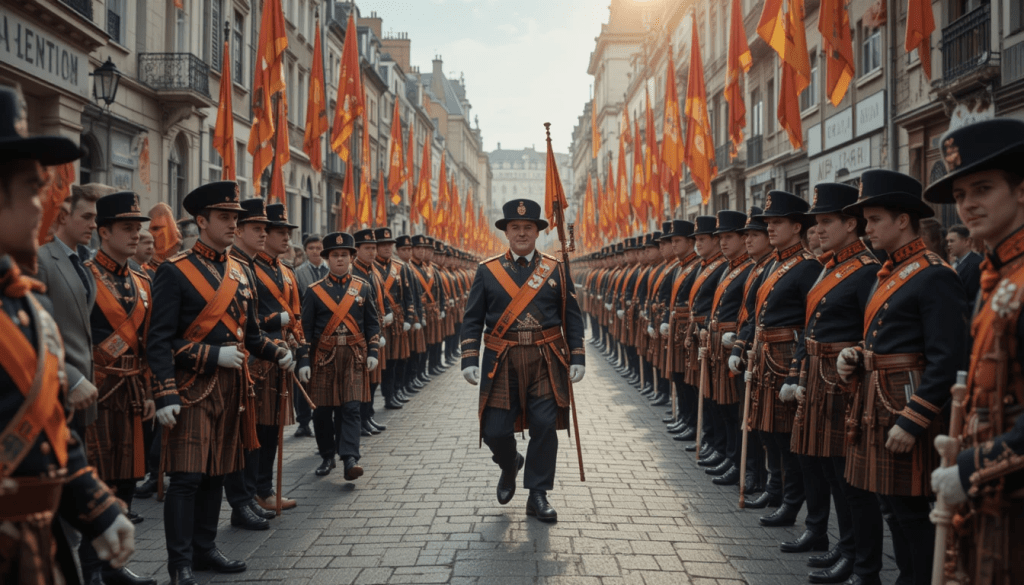
Every year on July 12, Northern Ireland and parts of the English-speaking world observe “The Twelfth”, also known as Orangemen’s Day. This cultural and political holiday commemorates the Battle of the Boyne (1690), in which William of Orange defeated the deposed Catholic King James II—a pivotal moment in the establishment of Protestant ascendancy in Britain and Ireland.
The Vocabulary of Commemoration
This day has given rise to a distinct terminology of cultural memory that continues to shape how English speakers—especially in the UK, Ireland, and Commonwealth countries—describe identity, tradition, and sectarian divisions:
- “The Twelfth”: A shorthand term now widely recognized in English media, often used to signal heightened political or cultural tension in Northern Ireland.
- “Orange Order”: The Protestant fraternal organization that organizes many of the day’s events; the phrase is often used in political analysis and commentary to signal Unionist or Loyalist affiliation.
- “Loyalist parade”: A term that entered the media lexicon to describe the highly symbolic and sometimes controversial marches through contested spaces.
- “Bonfire tradition”: Refers to the massive pre-Twelfth bonfires, often constructed with nationalist symbols. The phrase captures a complex mix of ritual, defiance, and political messaging in public discourse.
Sectarian Vocabulary in Public Discourse
The Twelfth has embedded sectarian terminology into English-language media and academic studies:
- “Sectarian tension” and “community division” often appear in reporting around the Twelfth, shaping how English speakers understand Northern Irish identity politics.
- “Marching season” has become a widely recognized seasonal marker in English-language reporting on the region, similar to how “election season” or “holiday season” structures cultural time.
Transnational Spread of Terms
Through the migration of Ulster Protestants and historical colonial ties, terms associated with the Twelfth have found linguistic echoes in parts of Canada, especially in Newfoundland and Ontario. Phrases like “Orange walk,” “Twelfth parades,” and “Orangeman’s Day” retain cultural meaning in these areas and have become part of localized English vocabularies of identity and heritage.
From Ritual to Rhetoric
In political rhetoric, especially in debates over peace, reconciliation, and identity in Northern Ireland, these terms have taken on symbolic power:
- “Respecting tradition”, “cultural expression”, and “sectarian provocation” are phrases often used in English-language statements from politicians, community leaders, and activists on both sides.
- Media outlets rely on a stable lexicon to explain the events of the Twelfth to international audiences unfamiliar with the region—making these terms a crucial part of the global English discourse on cultural conflict.
A Living Linguistic Phenomenon
While rooted in 17th-century history, The Twelfth continues to evolve linguistically:
- New digital expressions such as #TwelfthNI, #OrangeParades, and “cultural interface areas” now circulate in English-language social media and commentary.
- The day’s vocabulary reflects both continuity and change, capturing the complexities of tradition, identity, and modern communication.
When tradition marches, language follows—The Twelfth echoes in every headline.
 What Happened on This Day?
Leave a comment