
2025 January
-
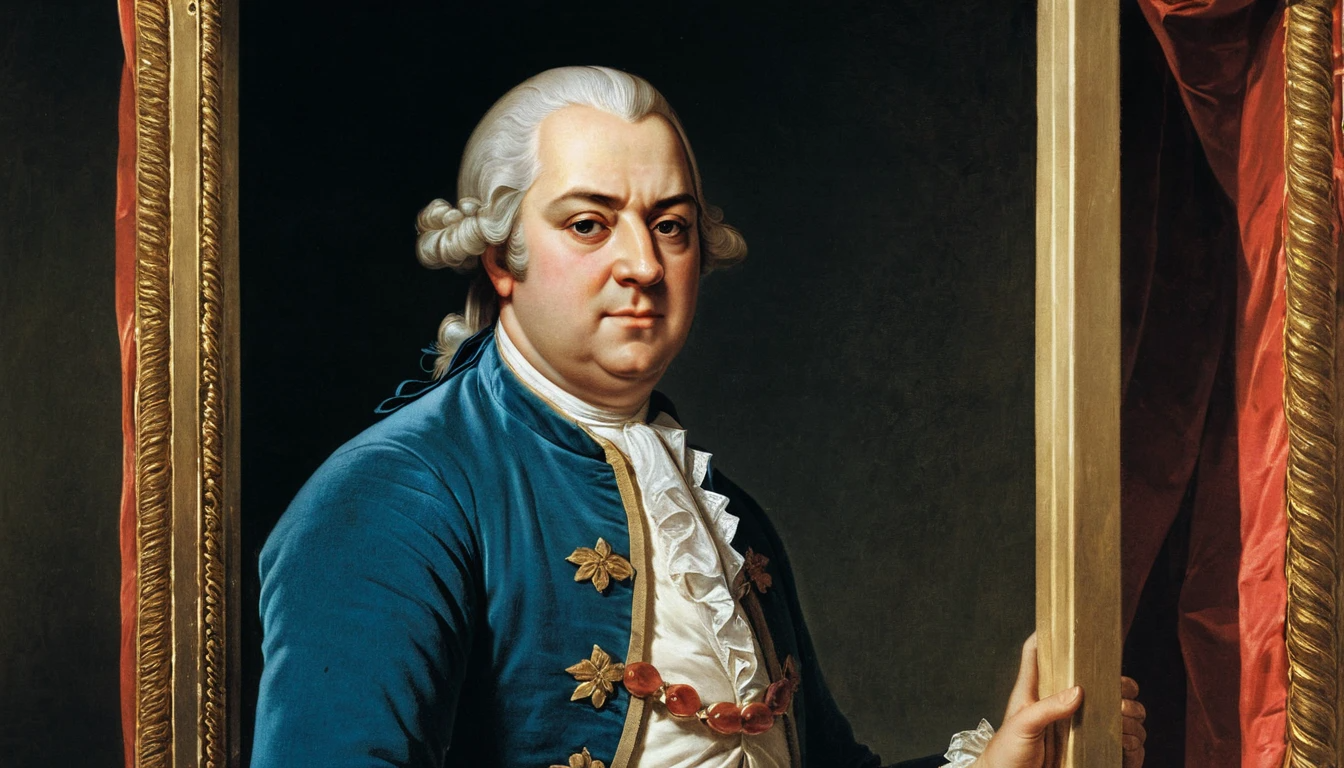
The execution of Louis XVI on January 21, 1793, marked the end of absolute monarchy and the rise of revolutionary ideals. It not only reshaped French society but also introduced key political terms into English, fueling debates about governance, democracy, and revolution in English-speaking nations.
-

On January 20, 1265, Simon de Montfort convened England’s first Parliament, a groundbreaking assembly that introduced representation and democratic principles. This historic event also enriched English with key political terms like parliament, representative, and constituent, shaping governance, language, and democracy as we know them today.
-

Edgar Allan Poe, born January 19, 1809, redefined English literature with his psychological thrillers, Gothic narratives, and detective fiction. Through works like The Raven and The Tell-Tale Heart, he enriched language, introduced the macabre and unreliable narrators, and shaped literary genres, leaving an enduring impact on storytelling and cultural imagination.
-

The Paris Peace Conference of 1919 redefined diplomacy, introducing terms like self-determination, mandate, and reparations. These words encapsulated the era’s evolving ideologies, transitioning from imperial dominance to sovereignty and global cooperation. Language became a powerful tool, bridging political ideals and public discourse while shaping modern discussions of governance and international relations.
-
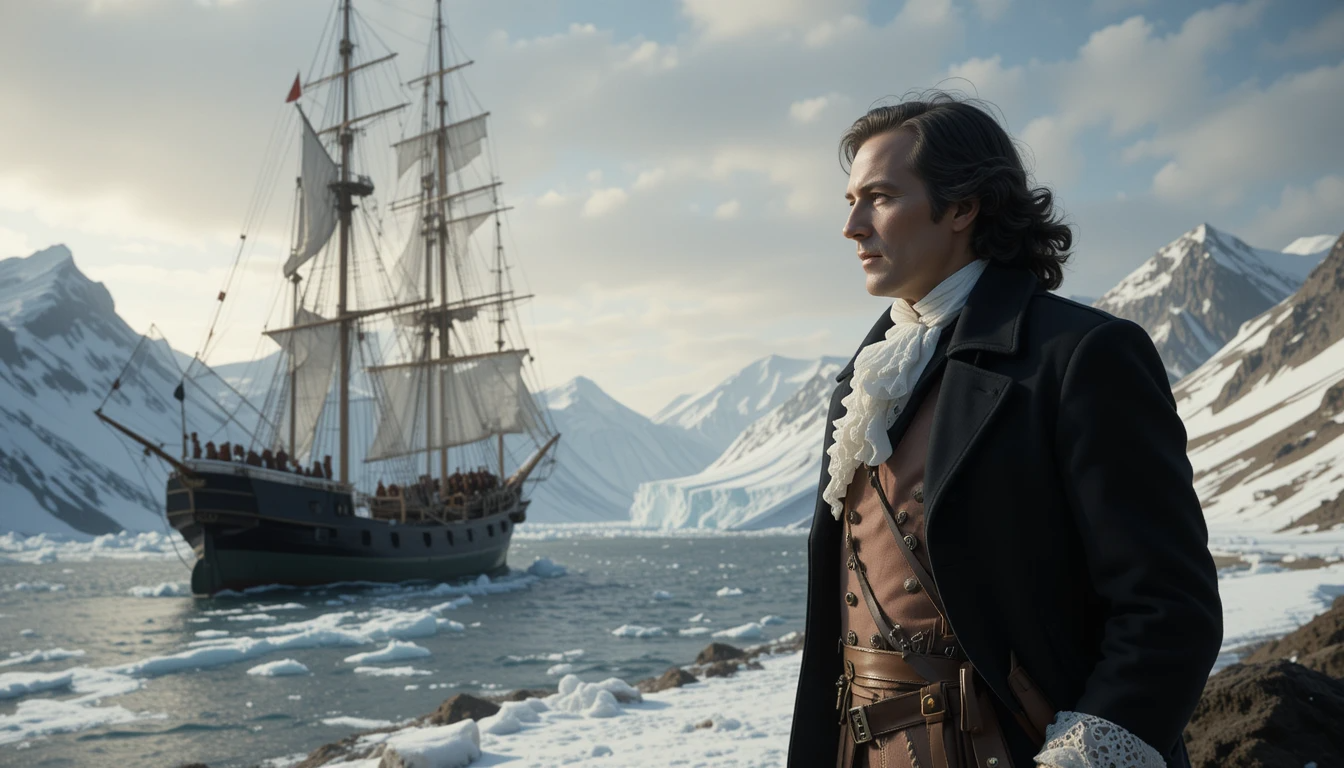
On January 17, 1773, Captain James Cook became the first to cross the Antarctic Circle, reshaping geography and enriching the English language. His pioneering journey introduced key terms like “Antarctic” and “iceberg,” transforming exploration, science, and culture, and laying the foundation for future expeditions and global curiosity.
-
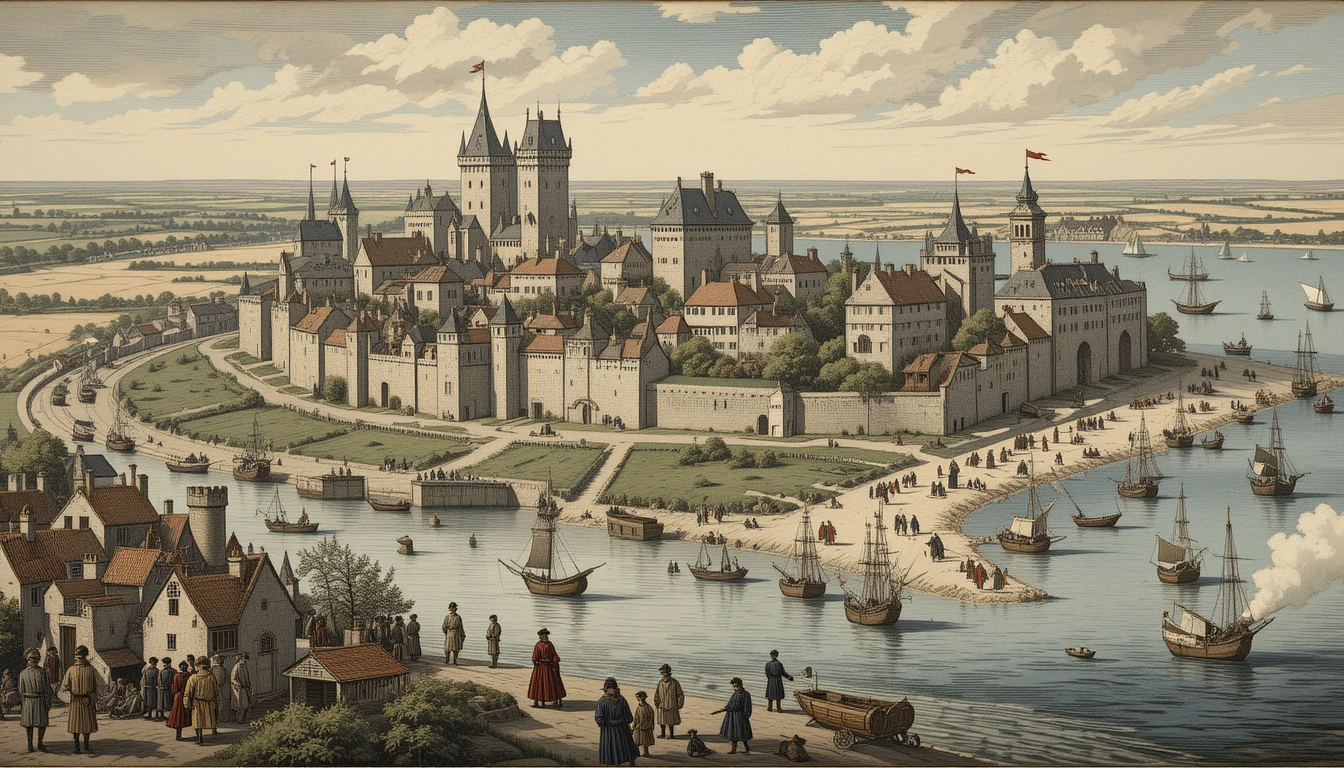
On January 7, 1558, the fall of Calais ended nearly 200 years of English rule in France, marking a turning point for England. This loss spurred a shift in national identity and culture, accelerating the rise of Modern English as the nation distanced itself from French influence and redefined its sovereignty.
-
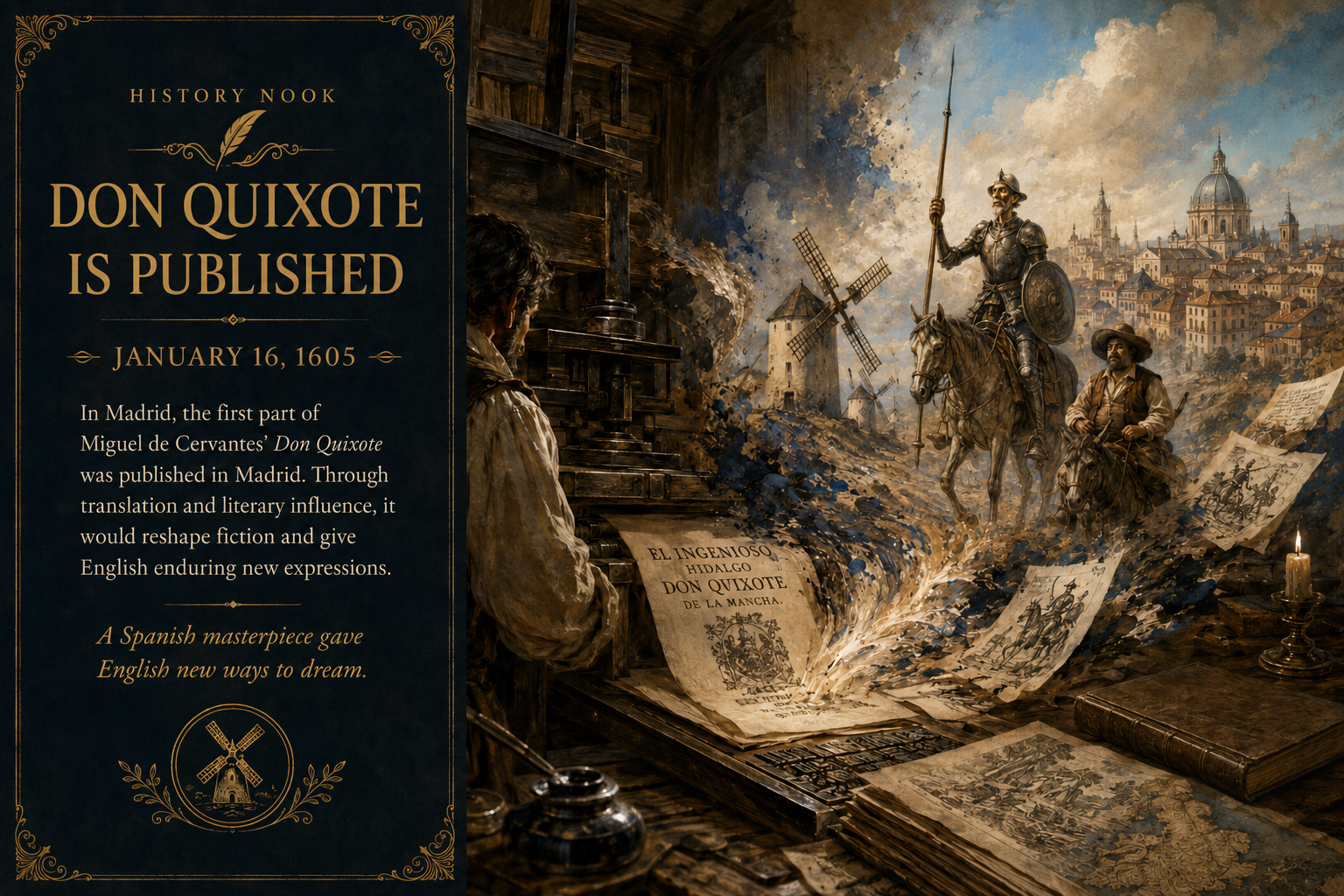
How did a deluded knight, a practical squire, and a field of windmills give English some of its most enduring expressions?
-

On January 15, 1559, Elizabeth I’s coronation ushered in the Elizabethan Era, a transformative period of cultural and linguistic brilliance. Her reign fostered the flourishing of arts, literature, and English standardization, establishing the language as a global force. Elizabeth’s mastery of rhetoric further solidified her legacy as an eloquent and unifying monarch.
-

On January 14, 1943, the Casablanca Conference reshaped WWII strategy and introduced enduring terms like “unconditional surrender.” This landmark meeting between Churchill and Roosevelt shaped military, diplomatic, and linguistic history.
-

On January 13, 1128, Pope Honorius II recognized the Knights Templar, elevating them to an influential military order. This recognition not only shaped the Crusades but enriched the English language with terms like “templar,” “crusader,” and “chivalry,” influencing discourse on faith, valor, and knighthood.