
2025 January
-

The British-Zulu War of 1879 introduced words like “impi,” “assegai,” and “kraal” into English, reflecting the cultural exchange between the British Empire and the Zulu Kingdom. These terms not only enriched English but also preserved the legacy of the Zulu people, showcasing how language evolves through historical encounters.
-

On January 11, 1922, insulin was first used to treat diabetes, saving Leonard Thompson’s life. This breakthrough revolutionized medical science, introduced vital vocabulary like “insulin” and “endocrinology,” and transformed diabetes from a fatal condition into a manageable one. The event remains a milestone in health, science, and global awareness.
-

On January 10, 49 BCE, Julius Caesar crossed the Rubicon, defying Roman law and initiating a civil war that transformed the Roman Republic into the Empire. This decisive act birthed the idiom “crossing the Rubicon,” symbolizing irreversible decisions. Its legacy endures, resonating in politics, literature, and everyday discourse worldwide.
-

The iPhone’s launch on January 9, 2007, revolutionized technology and language. Terms like “app,” “touchscreen,” and “FaceTime” became cultural staples, reshaping communication and digital interaction. Its influence extended globally, embedding English tech terms into everyday life and solidifying the smartphone’s role in shaping modern speech and connectivity.
-

Elvis Presley, the “King of Rock and Roll,” revolutionized music, culture, and language. From popularizing terms like “rock and roll” to idioms like “Elvis has left the building,” his influence remains global. His artistry bridged cultures and shaped modern English, leaving an enduring legacy that transcends music and time.
-

On January 7, 1610, Galileo Galilei observed four moons orbiting Jupiter, proving not all celestial bodies revolve around Earth. This discovery validated the heliocentric model and revolutionized science. It also enriched English with terms like satellite, orbit, and telescope, marking a linguistic and scientific leap that still influences us today.
-

On January 6, 1066, Harold Godwinson’s coronation as King of England marked the beginning of profound transformations. Defeated by William the Conqueror at Hastings, his brief reign catalyzed the Norman Conquest, which introduced Norman French to England. This pivotal event shaped modern English, blending Anglo-Saxon roots with French influence.
-

Edward the Confessor’s death in 1066 marked the end of Anglo-Saxon rule and sparked the Norman Conquest. This transformative event reshaped English governance and introduced Norman French, enriching the language with new vocabulary and cultural depth. It marked the transition from Old to Middle English, forever changing its trajectory.
-

On January 4, 1642, King Charles I’s attempt to arrest five MPs in the House of Commons backfired, breaching parliamentary privilege and igniting public outrage. This pivotal event strengthened the principle of parliamentary sovereignty, reshaping English governance and influencing democratic systems worldwide.
-
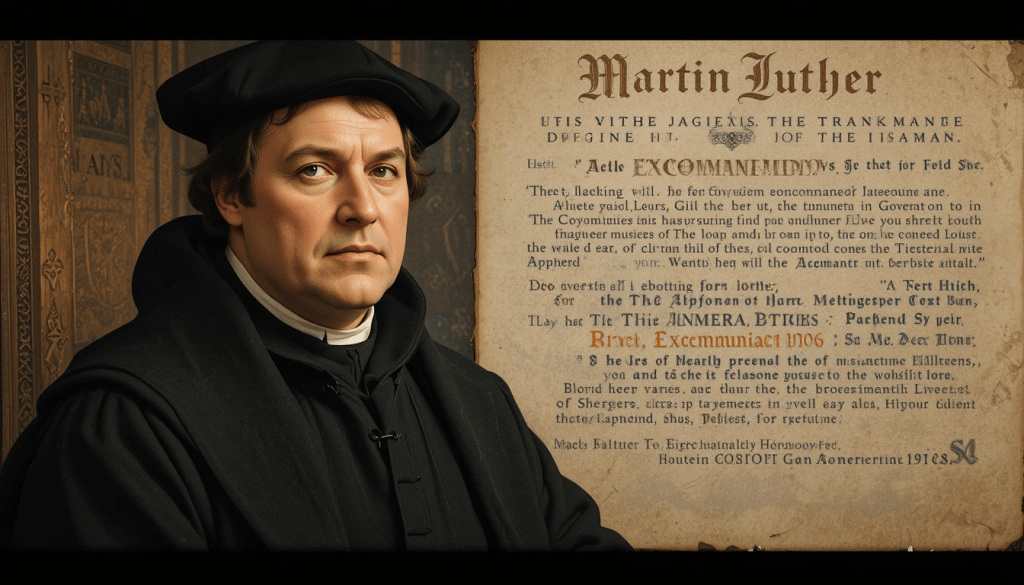
Martin Luther’s excommunication on January 3, 1521, ignited a cultural and linguistic revolution. His defiance inspired vernacular translations like Tyndale’s English Bible, enriching the English lexicon with biblical idioms and theological terms. Luther’s legacy shaped literacy, individual empowerment, and modern English thought, leaving a profound mark on language and society.
 What Happened on This Day?