
2026 January
-
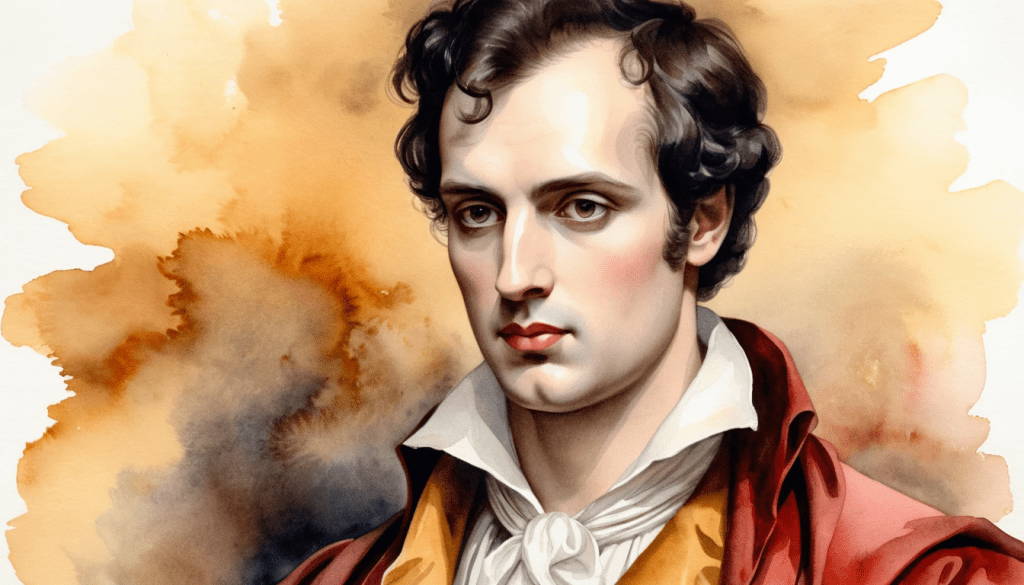
Lord Byron transformed English poetry by making personality a driving force. His verse fused irony and passion, grandeur and mockery, discipline and volatility. Through works like Childe Harold and Don Juan, Byron proved English could sustain emotional risk, tonal freedom, and self-conscious performance without losing intellectual control.
-
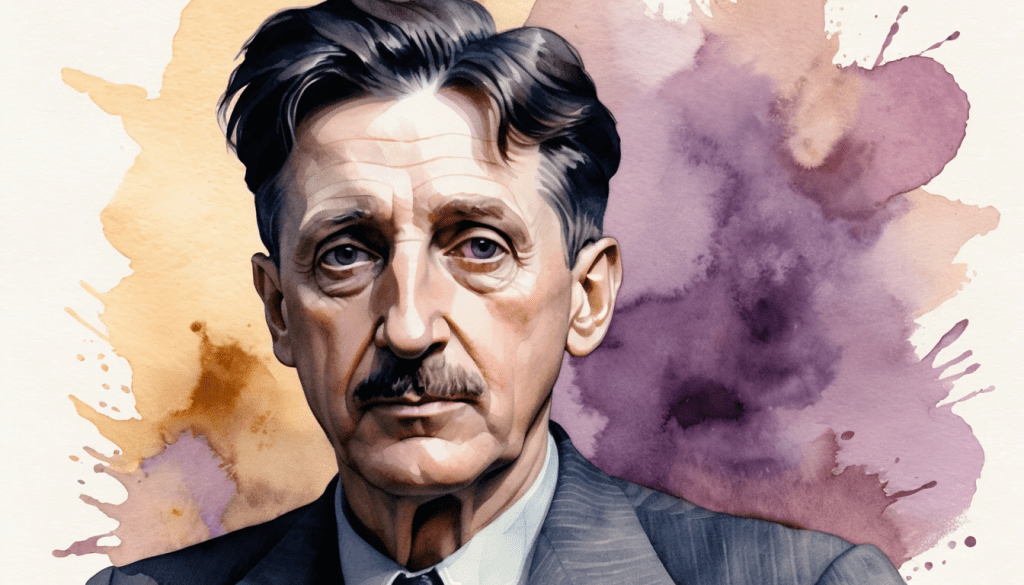
George Orwell’s death left English to guard itself. He had taught the language to value clarity as resistance and precision as ethics. After January 21, 1950, English prose carried his warnings alone, shaped by his insistence that words expose power, resist manipulation, and hold thought morally accountable.
-
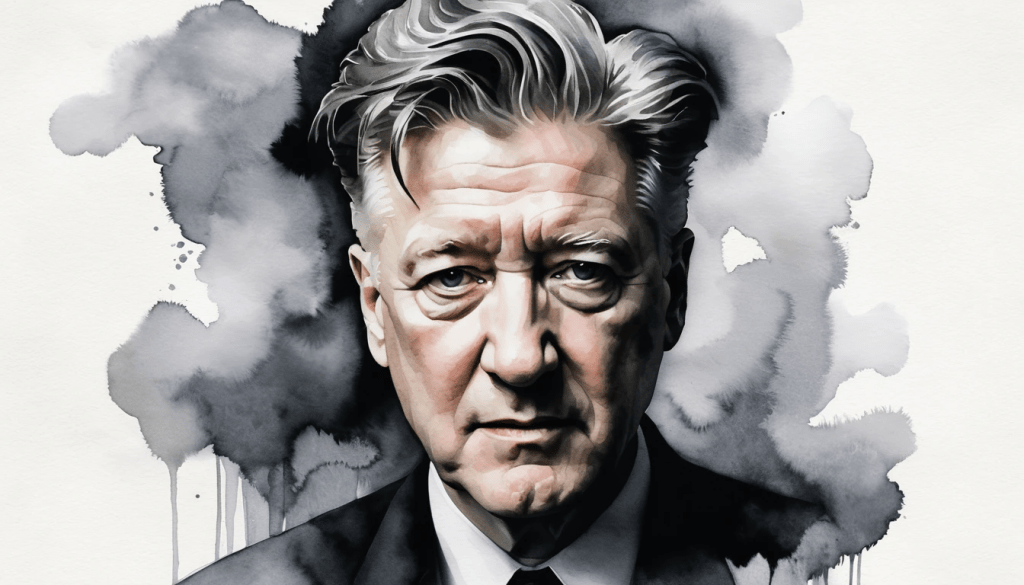
David Lynch reshaped English storytelling by proving that meaning can live in silence and ambiguity. Through dream logic, repetition, and unresolved scenes, he showed that English does not need explanation to communicate. His narratives speak through mood and absence, training the language to suggest rather than conclude, and to let unease become a form of…
-
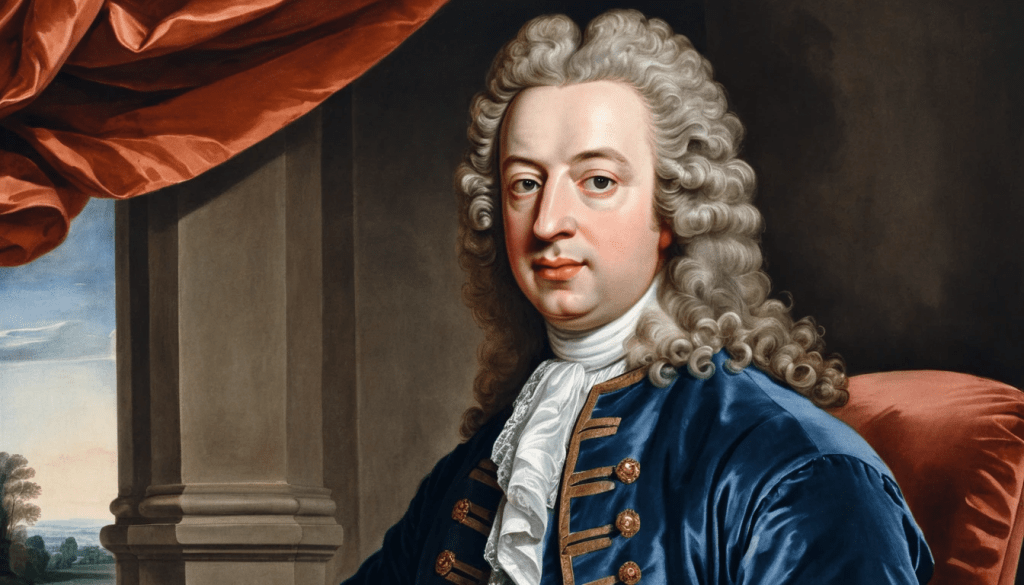
William Congreve refined English comedy into a discipline of precision and balance. His dialogue proved that wit could be elegant without dullness and sharp without cruelty. Through controlled syntax and intellectual play, he trained English to argue gracefully, speak economically, and reward attentive listeners with layered meaning and social intelligence.
-
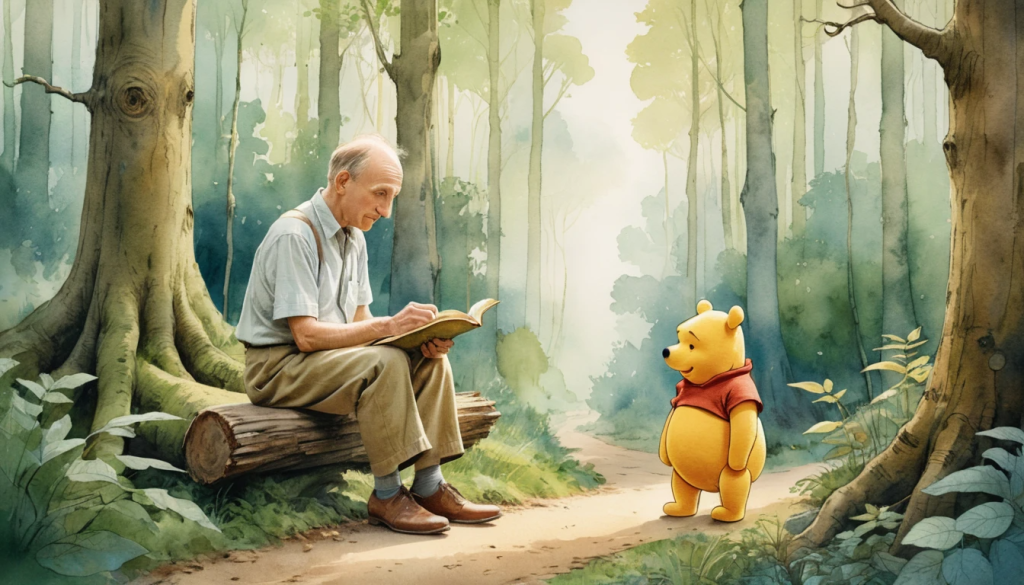
A. A. Milne taught English how to speak softly without losing depth. Through simple sentences and gentle dialogue, he showed that philosophy can live in kindness, hesitation, and humor. His language respected childlike thought, proving that clarity and emotional intelligence do not require complexity or noise.
-
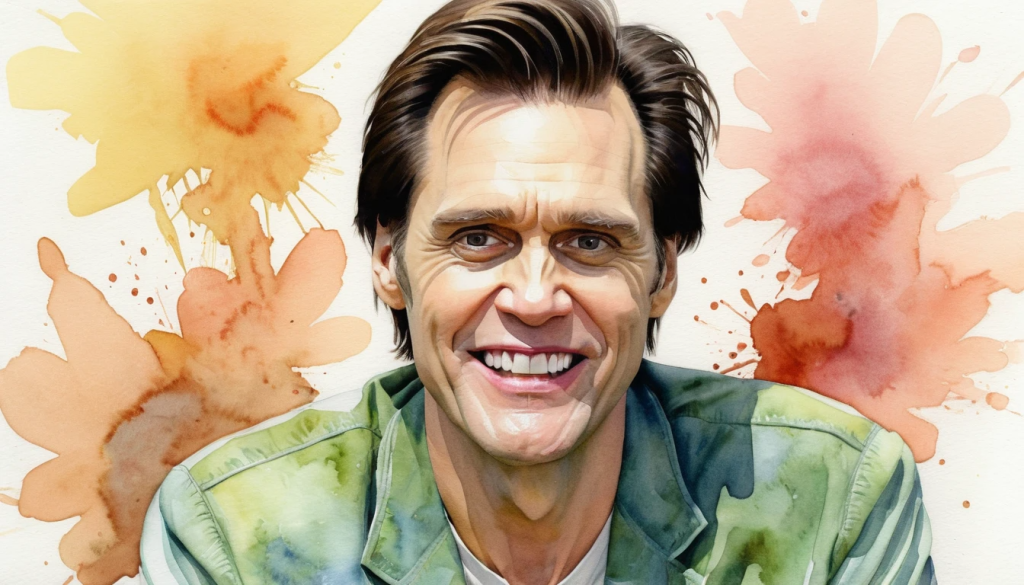
Jim Carrey’s birth marked a turning point in how English could be performed. His work proved that meaning survives exaggeration, distortion, and silence. By fusing voice, body, rhythm, and absurdity, he revealed English as elastic and resilient—capable of surviving excess while still communicating emotion, critique, and identity.
-
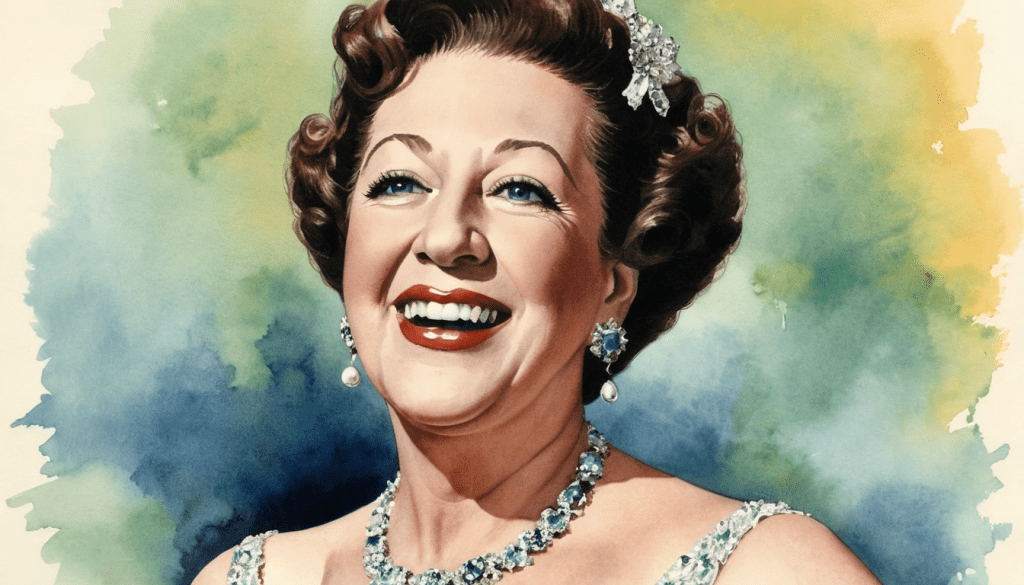
Ethel Merman transformed how English functions when sung on stage. Her unmatched projection and diction proved that clarity need not be sacrificed for power. By preserving stress, rhythm, and intelligibility, she reshaped Broadway lyrics into speech-driven song, establishing a lasting standard for how English could be heard, understood, and remembered in musical theatre.
-
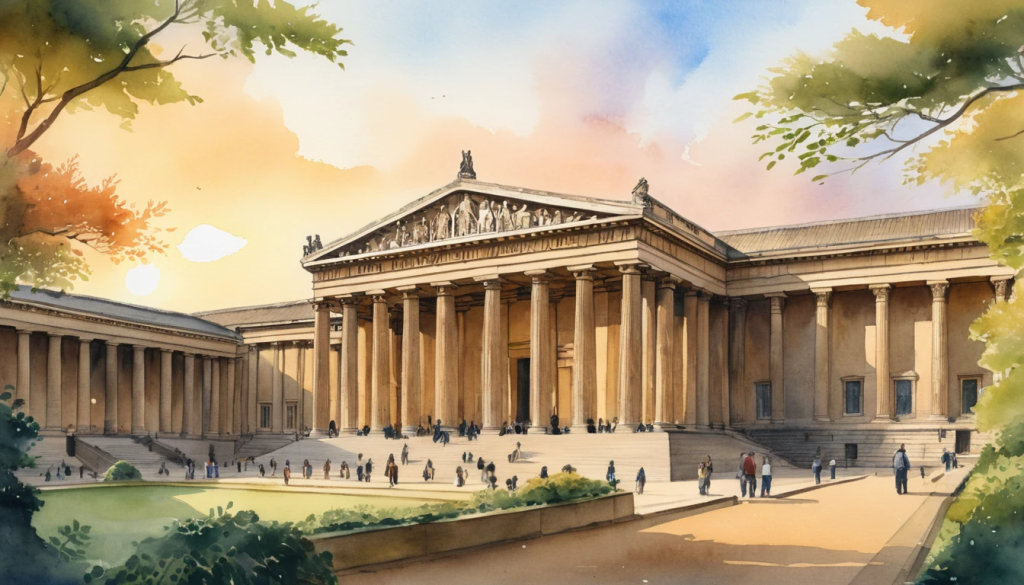
The opening of the British Museum in 1759 transformed English into a language with public memory. Knowledge, texts, and artifacts became accessible to all, shaping English as a medium of scholarship, evidence, and historical consciousness. From that moment, English evolved not only as expression, but as preservation, interpretation, and shared cultural record.
-
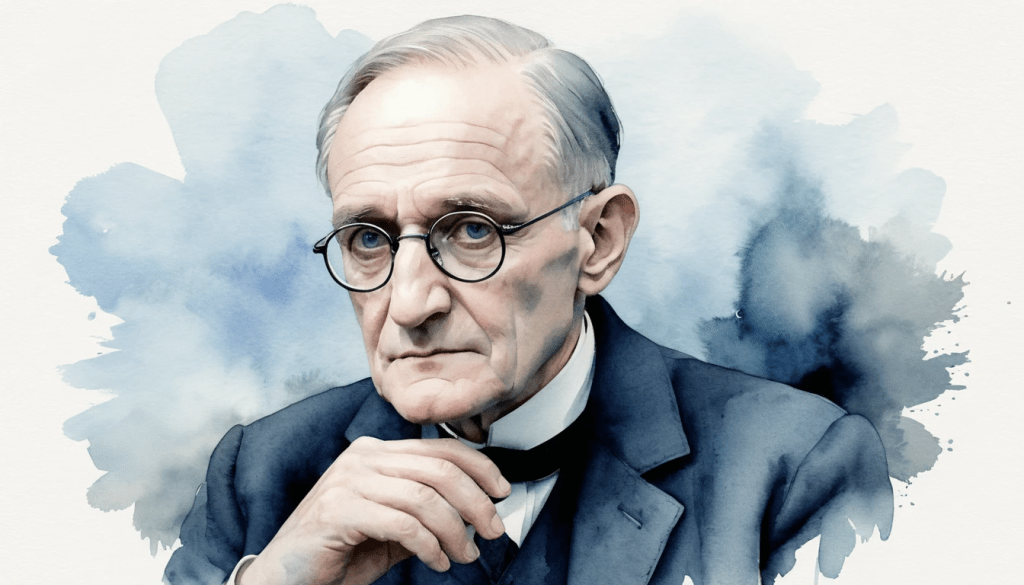
Martin Niemöller’s legacy endures in English through a single translated sentence that reshaped moral language. “First they came…” gave English a way to name silence as action, inaction as guilt, and responsibility as cumulative. Through repetition and structure, it became a permanent ethical framework embedded in global discourse.
-

On January 13, the birth of Zhou Youguang marks a quiet revolution in global language. By designing Hanyu Pinyin, he reshaped how English reads, names, and teaches Chinese. His work transformed English into a precise bridge between alphabets, cultures, and one of the world’s oldest written traditions.
 What Happened on This Day?