
2026 January
-

Wilhelm Grimm’s birth signaled the moment folklore entered literary English through translation. Grimm’s fairy tales standardized narrative patterns, moral symbolism, and the vocabulary of enchantment, shaping children’s literature and fantasy. Their oral cadence, archetypal characters, and concise storytelling embedded a lasting fairy-tale architecture within the English imagination and narrative tradition.
-
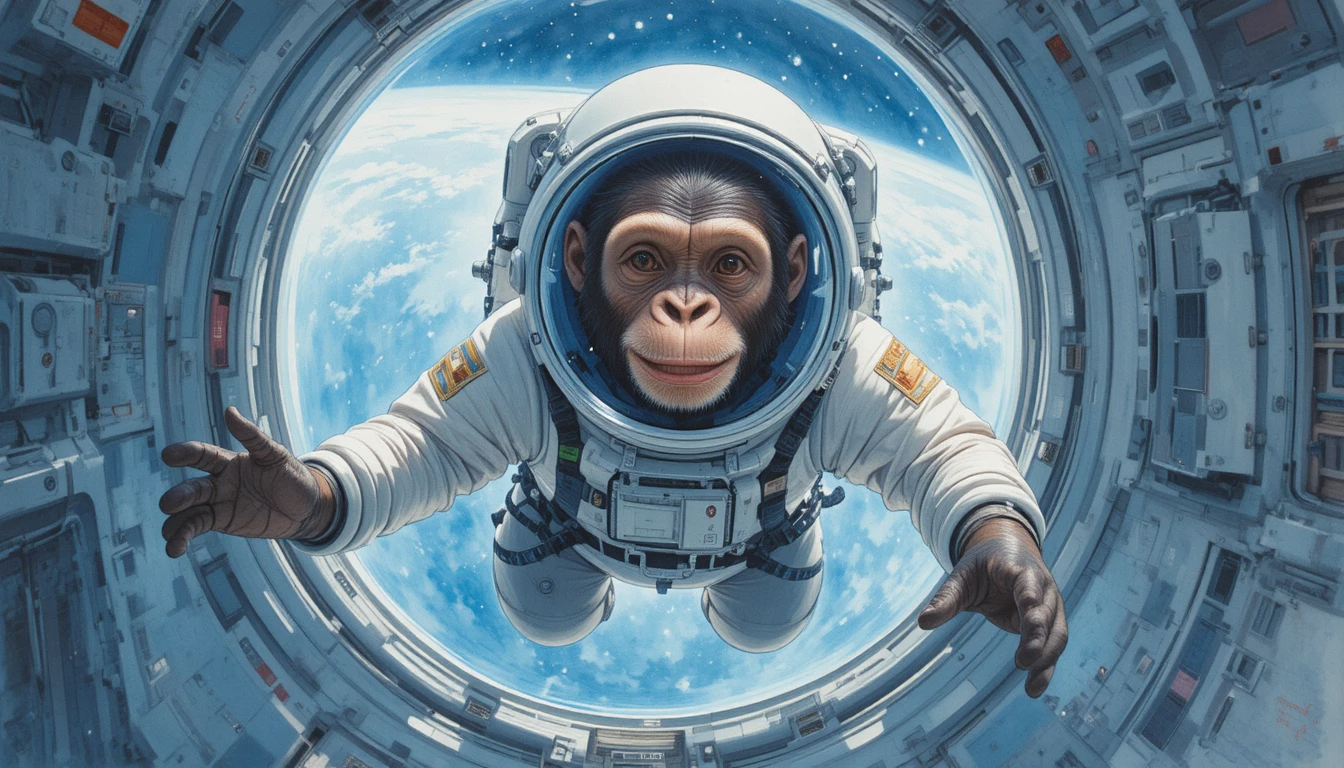
Ham the chimpanzee’s 1961 spaceflight forced English to narrate the unprecedented before humans could speak from orbit. Journalists and scientists shaped a new narrative nonfiction, blending technical precision with suspense, ethics, and empathy, teaching English how to tell stories of risk, procedure, and progress beyond Earth for the first time.
-

Through Jun Takami English learned restraint. His Shōwa era fiction entered the language by translation teaching it to render interior life without spectacle. Ethical pressure illness and silence shaped a prose of hesitation where meaning rests in understatement and moral ambiguity rather than declaration or revolt.
-

Edward Lear transformed English by proving that nonsense could follow grammar, rhythm, and emotional logic. His playful inventions revealed that meaning can arise from sound and structure rather than reference alone. Through disciplined absurdity, he expanded English expressive range, shaping children’s literature, comic verse, and the language’s capacity for imagination without abandoning coherence.
-

Joseph Brodsky proved that English could be entered late yet inhabited fully. Writing from exile, he transformed a second language into a moral homeland, sharpening its capacity for precision, ethical seriousness, and sustained thought. His English endures as disciplined refuge rather than inherited possession.
-
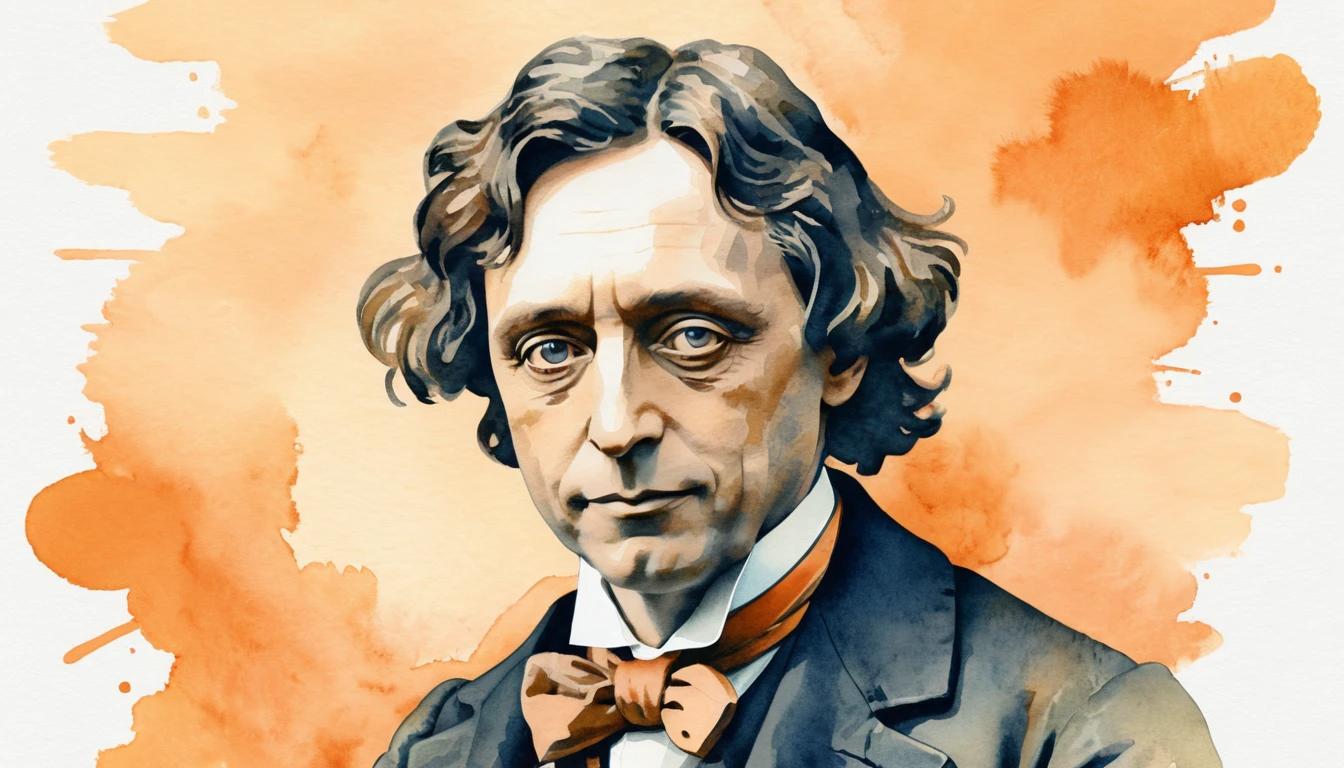
Lewis Carroll revealed that English could think by playing. Through paradox and precision, his nonsense showed that illogic may conceal rigorous logic. By bending syntax and meaning, he expanded English imagination, proving that language gains depth when rules are tested, inverted, and joyfully broken through wit curiosity and fearless play.
-

Edward Sapir showed that language is a cultural system shaping perception and social life. By uniting linguistics and anthropology, he taught English discourse to analyze structure, respect diversity, and question universals. Words were no longer labels but frameworks of meaning carrying histories identities and worldviews across cultures and minds today.
-
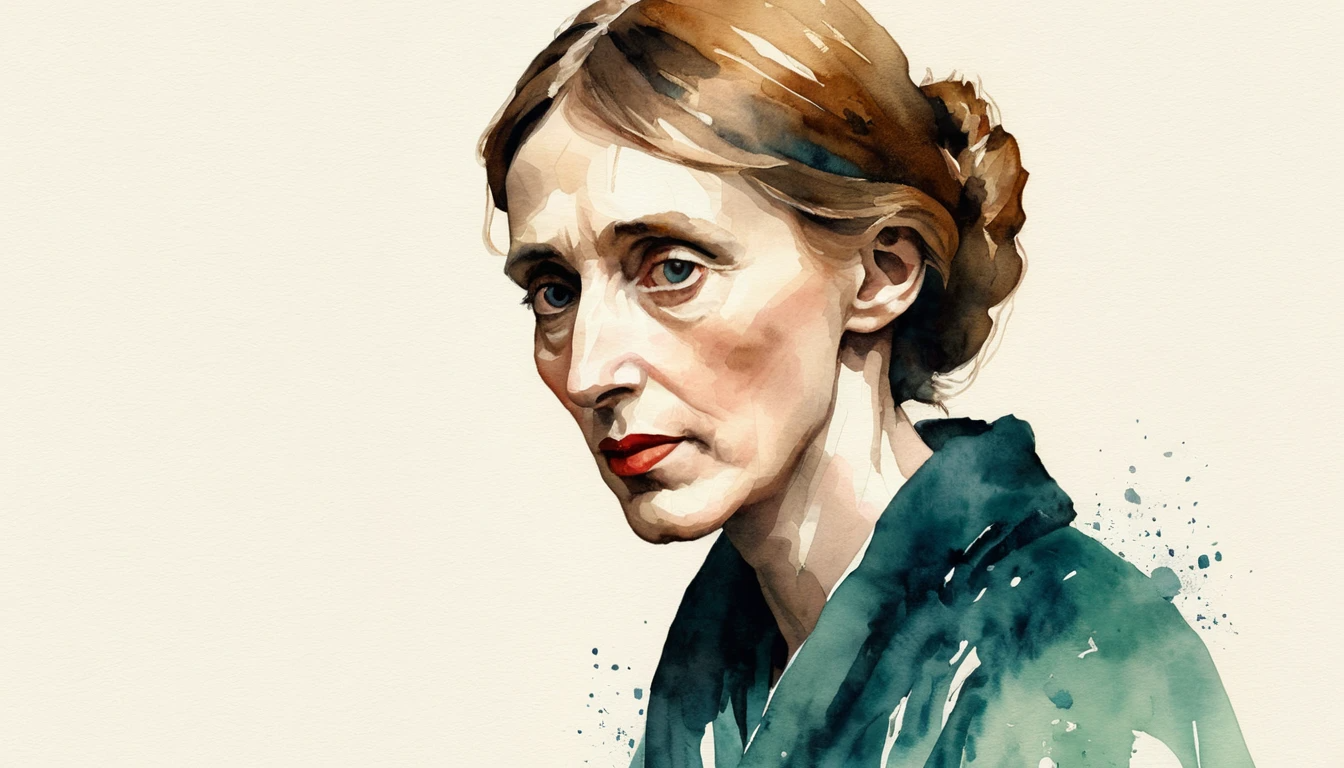
Virginia Woolf transformed English prose by teaching it to follow consciousness itself. Her writing reshaped how English handles time, memory, and perception, allowing sentences to move with thought rather than plot. Through fluid syntax and interior focus, she expanded whose lives and experiences English literature could fully represent.
-

E. T. A. Hoffmann reshaped literary imagination by turning terror inward. His stories fractured reality, destabilized reason, and made the mind itself the stage of fear and wonder. Through translation, his influence transformed English fantasy, horror, and psychological fiction, expanding narrative depth and redefining how literature explores consciousness.
-

Northrop Frye transformed English criticism by revealing literature as a structured system of recurring myths and archetypes. Through Anatomy of Criticism, he replaced impression with pattern and biography with structure, teaching readers to see English literature as an interconnected imaginative order governed by shared forms and cycles.