
What Happened on This Day?
-

Born on December 30, 1865, Rudyard Kipling profoundly shaped English literature and language. From introducing idioms and Indian terms to pioneering rhythmic prose, his works bridged cultures and inspired generations. Despite his controversial colonial themes, Kipling’s storytelling and linguistic contributions remain pivotal, reflecting the transformative power of words across history.
-
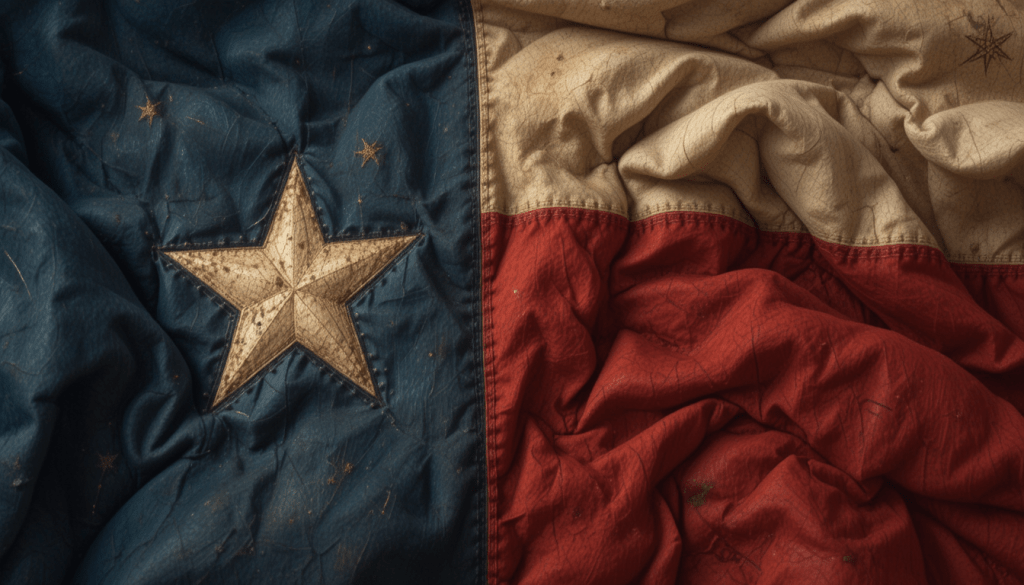
On December 29, 1845, Texas joined the U.S. as the 28th state, a milestone that expanded American territory and enriched its linguistic and cultural landscape. The blending of Spanish and English in Texas introduced enduring vocabulary, from “rodeo” to “tamale,” and fostered a unique linguistic identity that still influences American English today.
-

Completed on December 27, 537, the Hagia Sophia symbolizes the Byzantine Empire’s architectural genius and cultural legacy. Its influence spans centuries, enriching English with terms like “Byzantine” and “iconoclasm,” while its transformations embody resilience, bridging worlds and histories.
-
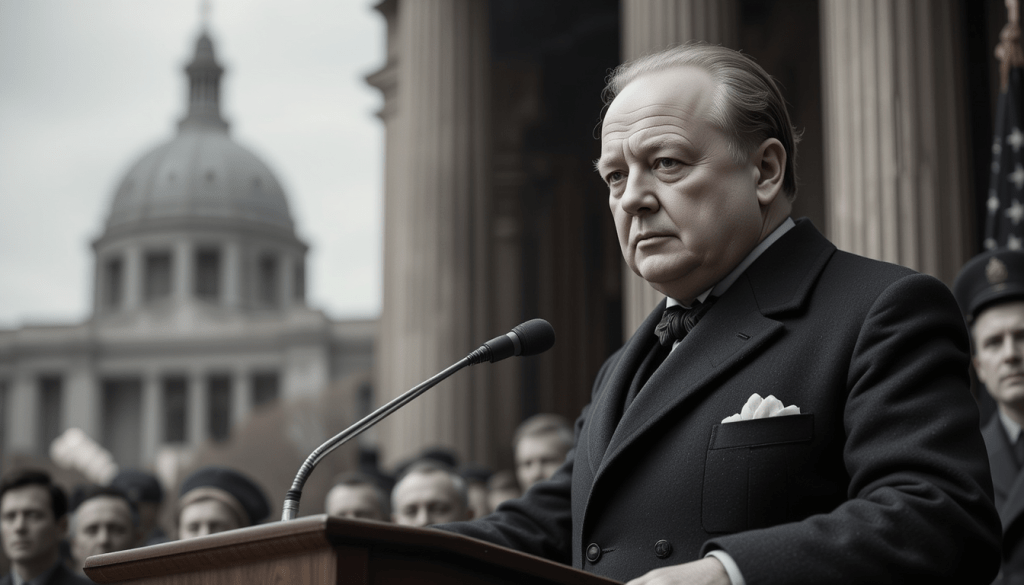
On December 26, 1941, Winston Churchill addressed the U.S. Congress, cementing the “special relationship” between the U.K. and U.S. His masterful use of English unified the Allies, inspiring global resolve to defeat tyranny and solidifying English as the dominant language of diplomacy and leadership.
-
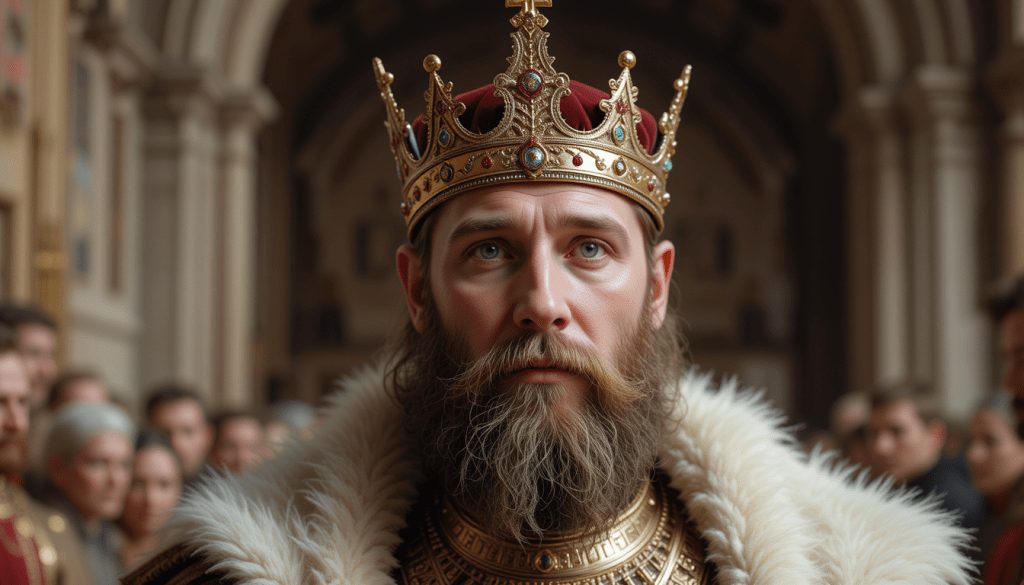
On December 25, 1066, William the Conqueror’s coronation as King of England transformed the nation’s political, cultural, and linguistic landscape. Norman French enriched English vocabulary, introducing terms like “justice” and “cathedral.”
-

On Christmas Eve 1914, soldiers on the Western Front set aside their weapons to share a rare moment of peace. Known as the Christmas Truce, this spontaneous ceasefire featured carols, gifts, and even soccer matches, reminding the world that shared humanity can transcend even the gravest conflicts.
-

On December 23, 1823, A Visit from St. Nicholas debuted in the Troy Sentinel, shaping the modern image of Christmas. From Santa’s sleigh and reindeer to “Merry Christmas to all,” its festive lexicon and vivid imagery continue to define holiday traditions, bringing magic and joy to generations worldwide.
-
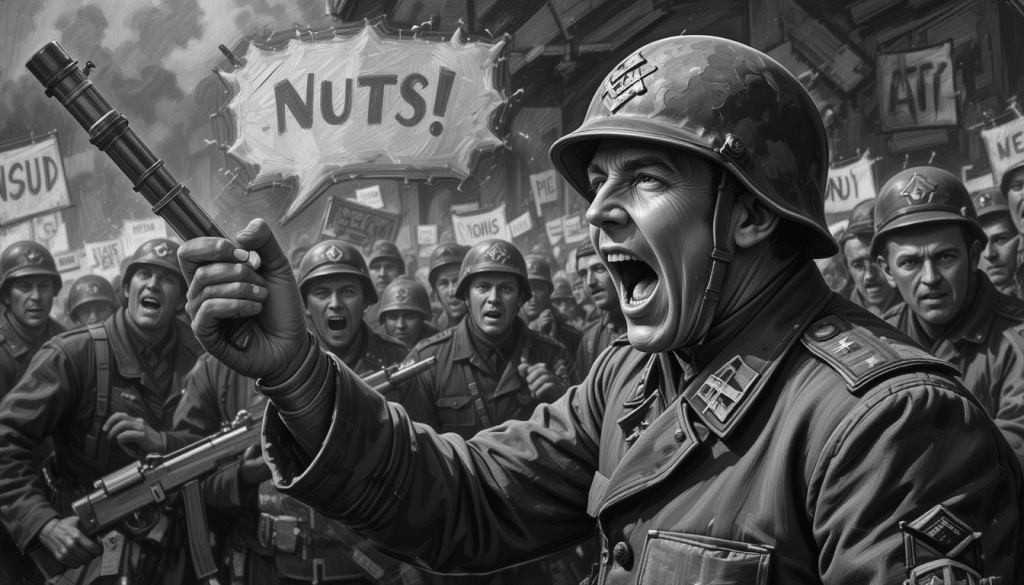
On December 22, 1944, General Anthony McAuliffe’s iconic “Nuts!” response to a German surrender demand during the Battle of the Bulge symbolized humor, defiance, and resilience. This one-word reply became a lasting metaphor for unwavering determination under pressure, influencing both military rhetoric and everyday idiomatic expressions.
-
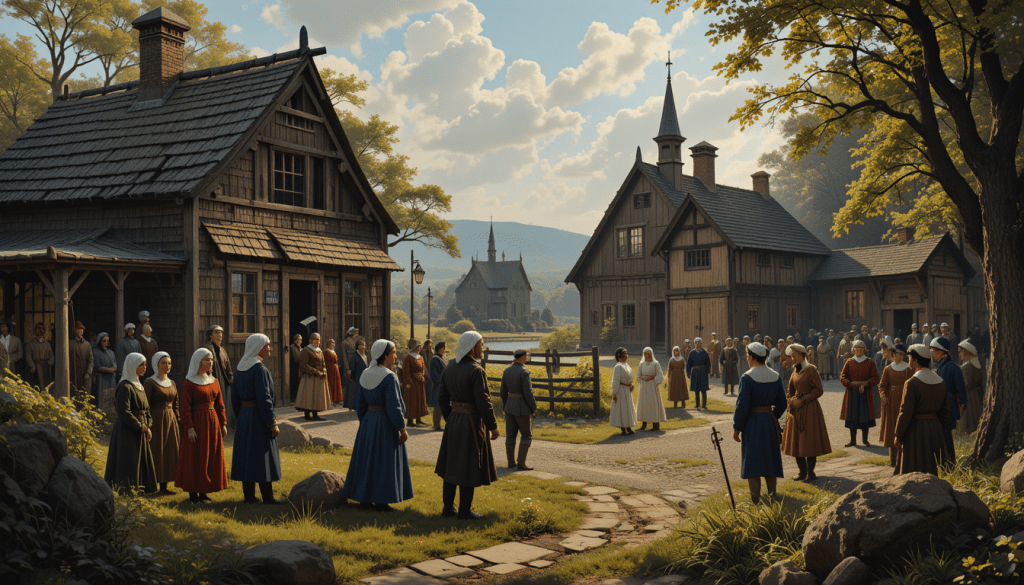
The Pilgrims’ journey to Plymouth shaped American English with words like “Thanksgiving” and “colony.” Their faith, resilience, and encounters with Indigenous peoples introduced enduring metaphors and linguistic diversity.
-
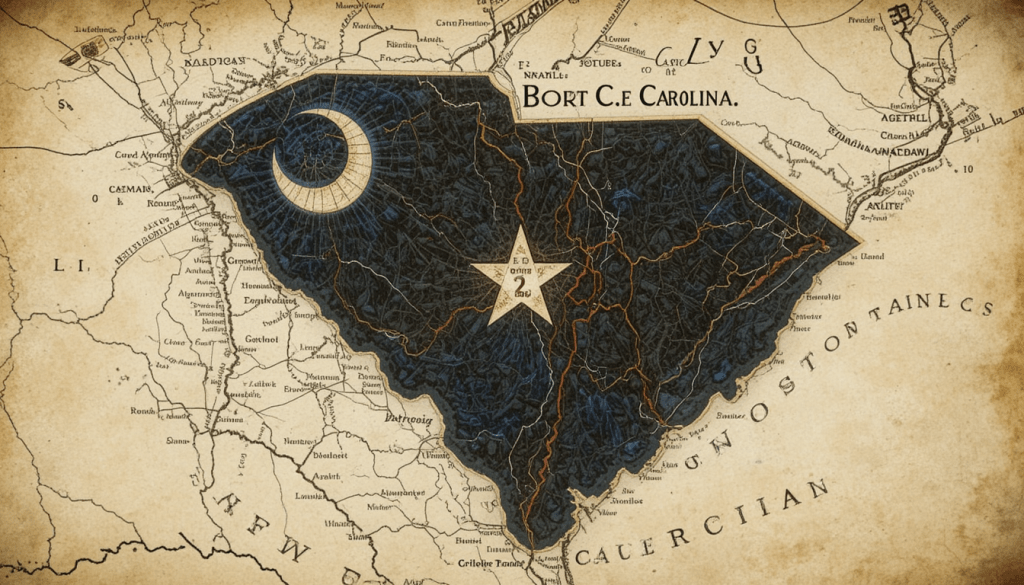
On December 20, 1860, South Carolina’s secession ignited the American Civil War, introducing terms like “secession,” “Confederacy,” and “Unionist” into English. These words framed ideological divides and influenced global discourse on conflict and governance, leaving a linguistic legacy that continues to shape discussions on unity, rebellion, and historical memory.
 What Happened on This Day?