
What Happened on This Day?
-
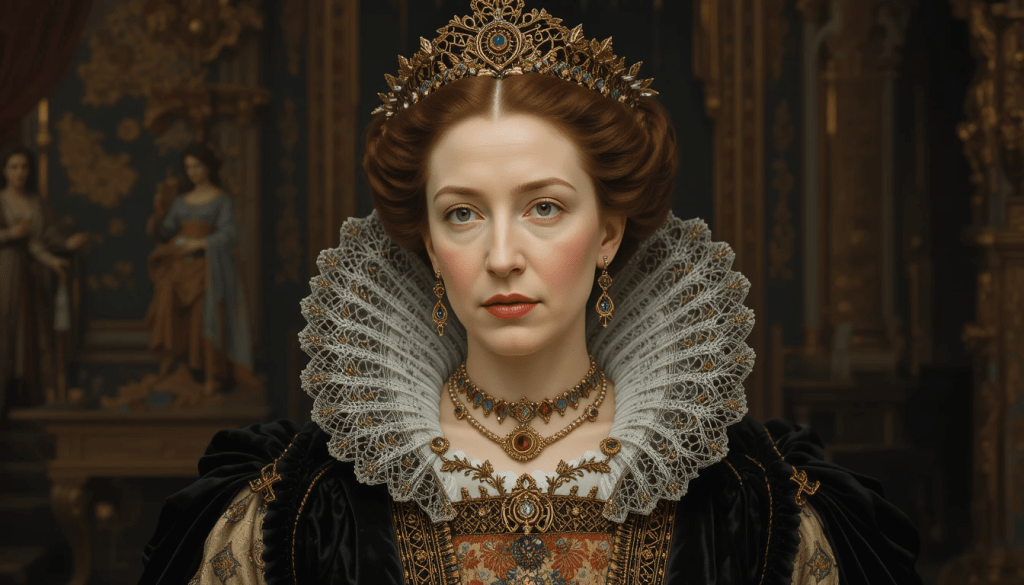
On January 15, 1559, Elizabeth I’s coronation ushered in the Elizabethan Era, a transformative period of cultural and linguistic brilliance. Her reign fostered the flourishing of arts, literature, and English standardization, establishing the language as a global force. Elizabeth’s mastery of rhetoric further solidified her legacy as an eloquent and unifying monarch.
-
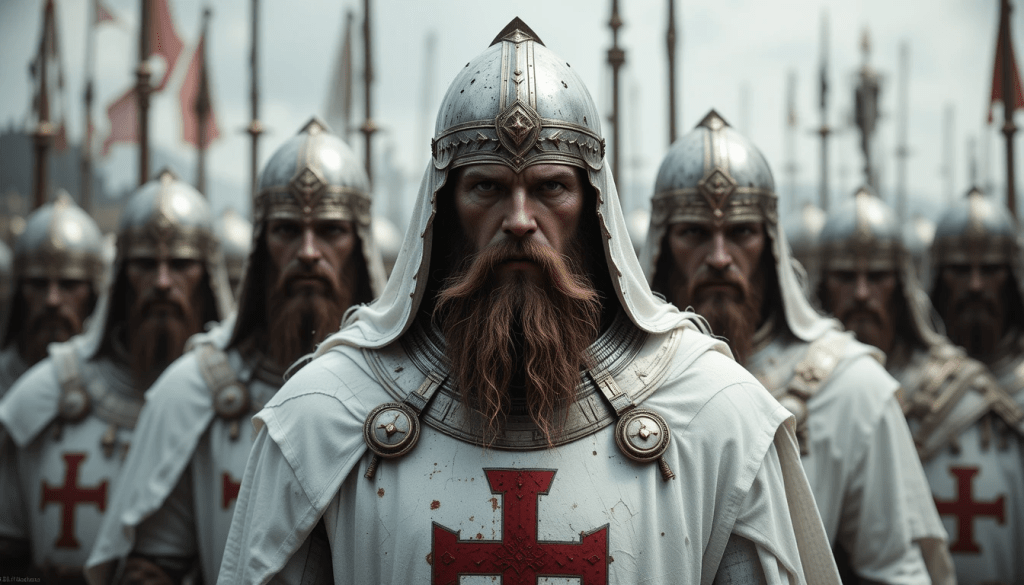
On January 13, 1128, Pope Honorius II recognized the Knights Templar, elevating them to an influential military order. This recognition not only shaped the Crusades but enriched the English language with terms like “templar,” “crusader,” and “chivalry,” influencing discourse on faith, valor, and knighthood.
-

On January 11, 1922, insulin was first used to treat diabetes, saving Leonard Thompson’s life. This breakthrough revolutionized medical science, introduced vital vocabulary like “insulin” and “endocrinology,” and transformed diabetes from a fatal condition into a manageable one. The event remains a milestone in health, science, and global awareness.
-

Elvis Presley, the “King of Rock and Roll,” revolutionized music, culture, and language. From popularizing terms like “rock and roll” to idioms like “Elvis has left the building,” his influence remains global. His artistry bridged cultures and shaped modern English, leaving an enduring legacy that transcends music and time.
-

On January 7, 1610, Galileo Galilei observed four moons orbiting Jupiter, proving not all celestial bodies revolve around Earth. This discovery validated the heliocentric model and revolutionized science. It also enriched English with terms like satellite, orbit, and telescope, marking a linguistic and scientific leap that still influences us today.
-
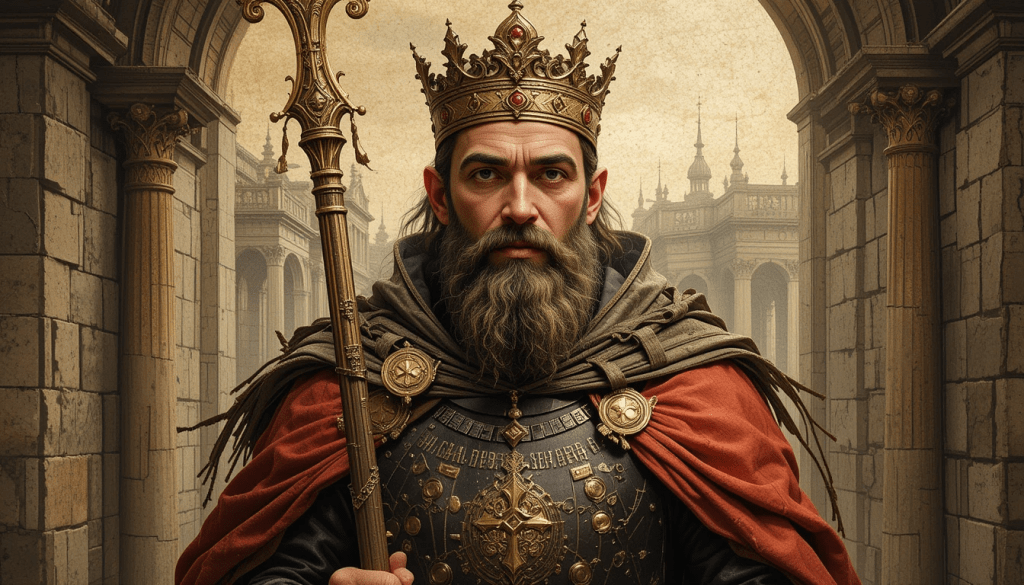
Edward the Confessor’s death in 1066 marked the end of Anglo-Saxon rule and sparked the Norman Conquest. This transformative event reshaped English governance and introduced Norman French, enriching the language with new vocabulary and cultural depth. It marked the transition from Old to Middle English, forever changing its trajectory.
-
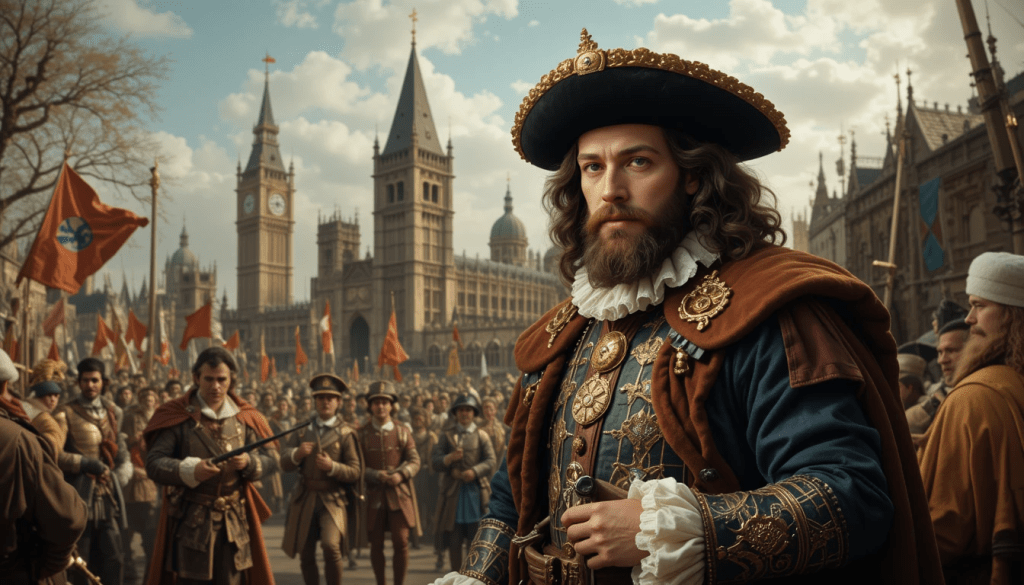
On January 4, 1642, King Charles I’s attempt to arrest five MPs in the House of Commons backfired, breaching parliamentary privilege and igniting public outrage. This pivotal event strengthened the principle of parliamentary sovereignty, reshaping English governance and influencing democratic systems worldwide.
-

The fall of Granada on January 2, 1492, marked the end of the Reconquista and Spain’s unification under Christian rule. This historic event catalyzed Spain’s rise as a global empire, enriching the English language with terms like armada, conquistador, and Arabic-derived words such as algebra, reflecting cultural and linguistic exchange.
-

The global adoption of January 1 as New Year’s Day, influenced by the Gregorian Calendar reforms, shaped traditions and enriched the English language. Phrases like “New Year’s resolution” and “ringing in the new year” reflect themes of renewal and celebration, uniting cultures in a shared expression of hope and progress.
-
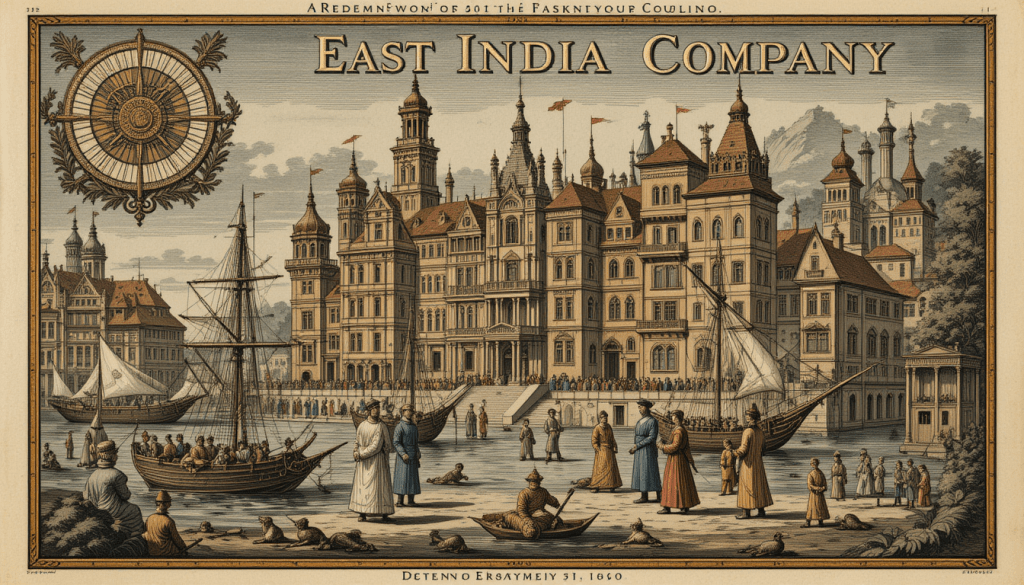
On December 31, 1600, Queen Elizabeth I chartered the East India Company, a pivotal moment in global trade and cultural exchange. This era infused English with Indian-origin words like “bungalow” and “loot,” enriching the language while reflecting the complex legacies of colonialism and cross-cultural interactions that continue to shape history.
 What Happened on This Day?