
What Happened on This Day?
-

Charles Dickens’ A Christmas Carol, first published on December 19, 1843, reshaped Christmas traditions and enriched the English language. Phrases like “Bah, humbug!” and “Merry Christmas” became part of everyday speech, influencing holiday vocabulary and inspiring themes of generosity, compassion, and redemption.
-

On December 18, 1865, the 13th Amendment abolished slavery in the United States, reshaping history and language. Terms like “abolition” and “emancipation” became enduring symbols of freedom, justice, and equality.
-
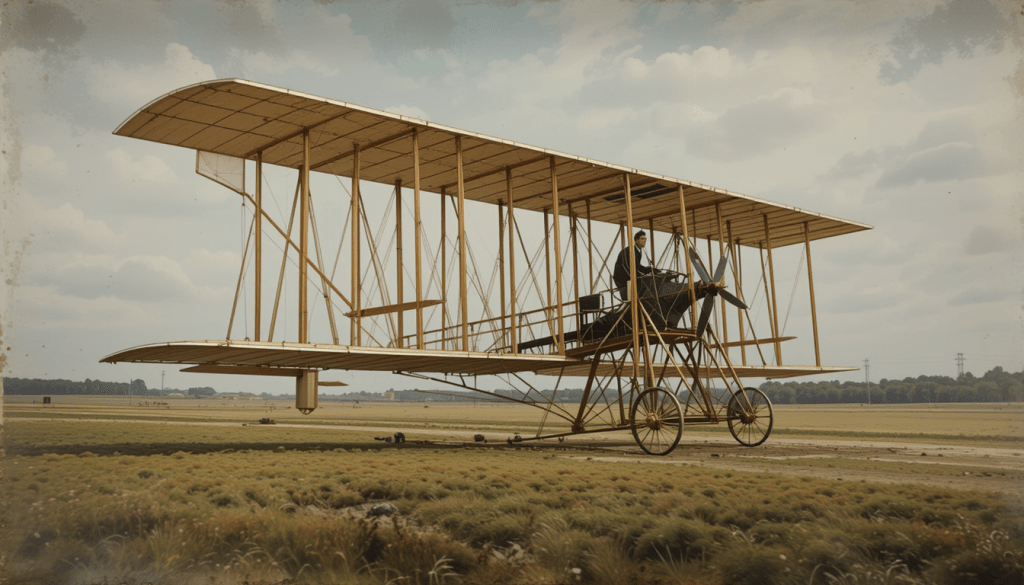
On December 17, 1903, the Wright brothers achieved the first powered flight, redefining travel and enriching English with terms like “aviation” and “pilot.” Their breakthrough inspired idioms like “the sky’s the limit,” symbolizing ambition and innovation, and marked the beginning of a new era in global connectivity and exploration.
-

On December 16, 1773, American colonists staged the Boston Tea Party to protest British taxation without representation. By dumping tea into Boston Harbor, they ignited revolutionary fervor and enriched English with enduring terms like “civil disobedience” and “taxation without representation,” symbolizing rebellion, independence, and collective action.
-

Mary, Queen of Scots, profoundly shaped the English lexicon. Her reign popularized terms like divine right of kings, factionalism, and martyrdom, reflecting political and religious turmoil. Words such as succession and coup also gained prominence, marking her influence on the language of governance, monarchy, and cultural narratives.
-

On December 13, 1577, Sir Francis Drake began his historic circumnavigation aboard the Golden Hind. This daring voyage not only expanded the geographic and cultural reach of England but also enriched the English language with terms like “archipelago,” “strait,” and “circumnavigate,” symbolizing the Age of Exploration’s lasting linguistic legacy.
-
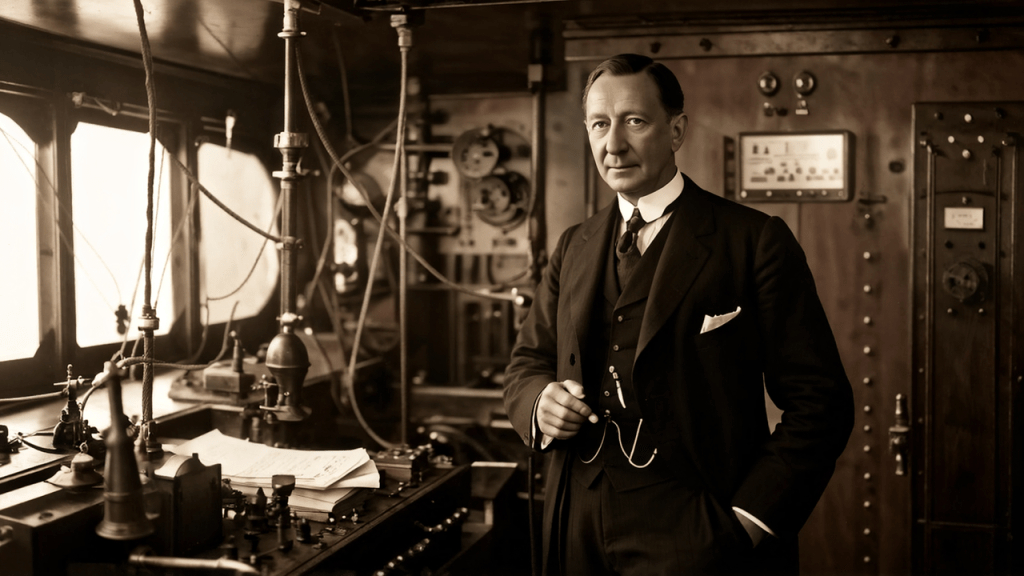
On December 12, 1901, Guglielmo Marconi revolutionized global communication by transmitting the first transatlantic radio signal. This historic event introduced foundational terms like “wireless communication” and “broadcasting,” forever shaping technology and language.
-
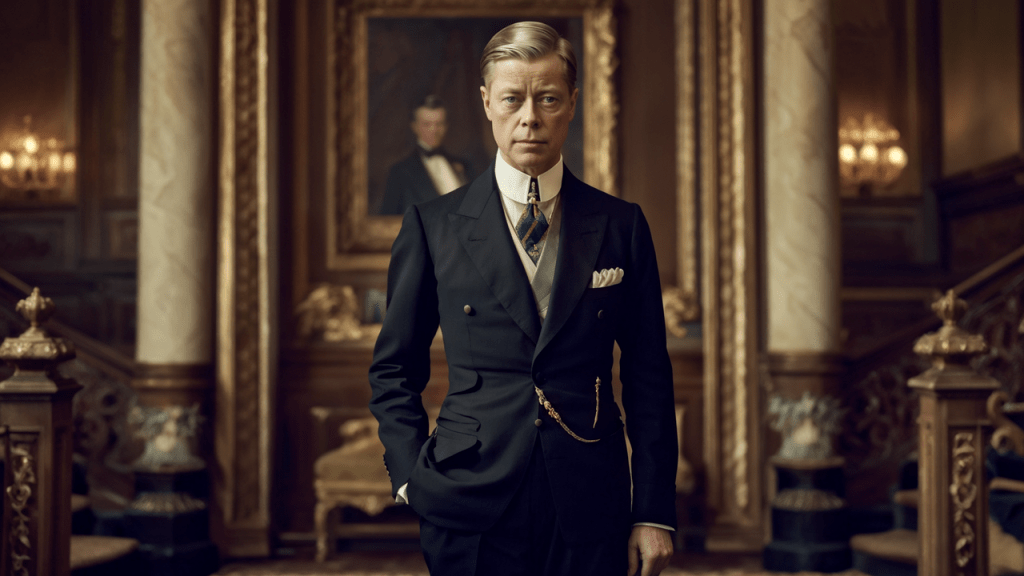
On December 11, 1936, Edward VIII’s abdication introduced terms like “abdication crisis” and “monarch for love,” reshaping English discussions on monarchy, duty, and personal freedom. This pivotal event redefined royal narratives.
-
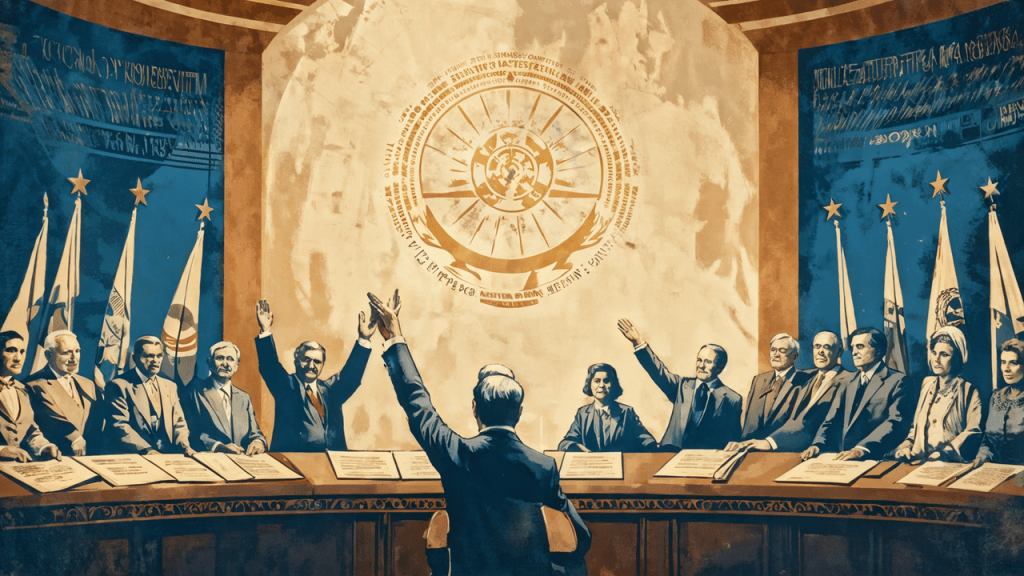
The Universal Declaration of Human Rights (UDHR) transformed English discourse by introducing terms like “human dignity” and “inalienable rights.” These phrases shaped legal texts, political rhetoric, and cultural narratives, embedding a universal vocabulary of justice, freedom, and equality that continues to resonate in global discussions of human rights and advocacy.
-
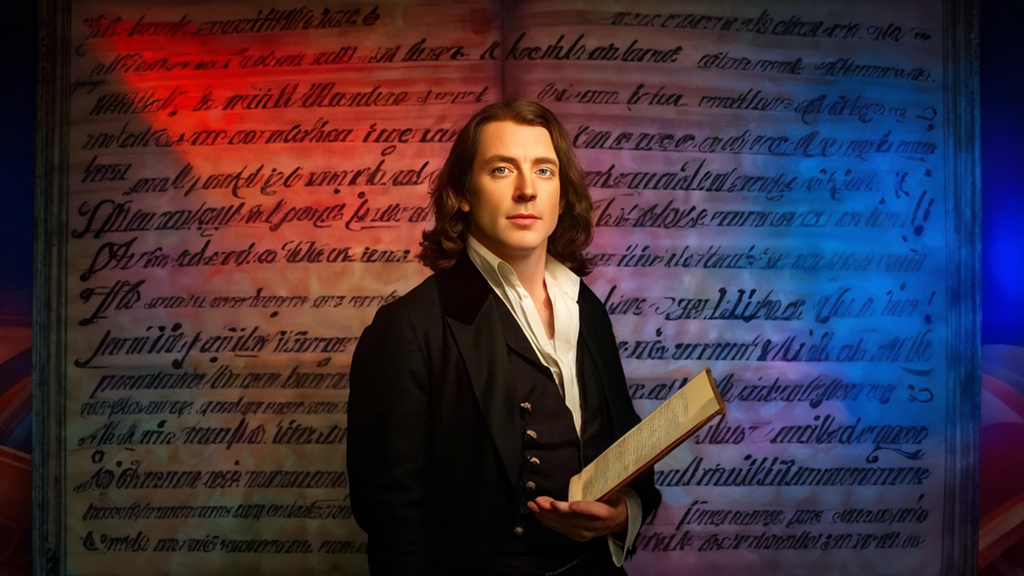
Born on December 9, 1608, John Milton transformed English literature with Paradise Lost and his linguistic innovations. Terms like “Pandemonium” and “darkness visible” reflect his impact on vocabulary, while his blank verse reshaped poetic form. Milton’s legacy continues to inspire discussions on theology, politics, and the human condition.
 What Happened on This Day?