
February 5, 1919
The Birth of Independent Film and Its Linguistic Legacy
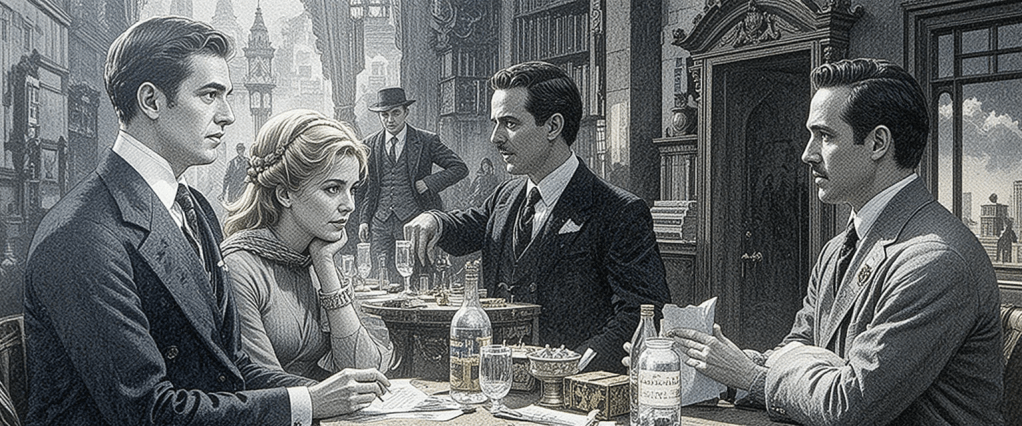
On February 5, 1919, four of Hollywood’s biggest stars—Charlie Chaplin, Mary Pickford, Douglas Fairbanks, and D.W. Griffith—came together to create United Artists (UA), one of the first major independent film studios. Their goal was revolutionary: to give actors and filmmakers creative control over their own projects, rather than leaving decisions solely to major studios. This move reshaped the film industry and, in doing so, helped shape the English language, introducing and popularizing terms that remain central to entertainment today.
At the time, Hollywood was already influencing global culture, but the rise of independent filmmaking under UA allowed artists to experiment with storytelling and performance. This artistic freedom gave birth to new cinematic techniques, genres, and terminology, many of which entered everyday English, shaping how people talked about movies, fame, and storytelling.
Key Linguistic and Cultural Contributions of United Artists
1. The Rise of Film Terminology in English
The founding of United Artists coincided with the golden age of early cinema, bringing new words and phrases into common usage. Some key terms that gained traction due to the studio and its independent approach include:
- “Silent film” – Before the invention of synchronized sound, films relied on visual storytelling, title cards, and live music to convey dialogue and emotion. United Artists was at the heart of the silent film era, with stars like Charlie Chaplin and Mary Pickford defining the genre.
- “Talkies” – Short for “talking pictures,” this term emerged as the film industry transitioned from silent movies to sound, forever changing how films were made and experienced.
- “Movie star” – The independent nature of UA placed an emphasis on actors as central attractions, reinforcing the term “movie star” and elevating actors to near-mythic status in public culture.
- “Feature film” – As filmmaking evolved, longer, narrative-driven productions became the standard, distinguishing “feature films” from shorter newsreels and serials.
- “Blockbuster” – While originally a military term referring to large-scale bombs, “blockbuster” was later applied to films that achieved enormous commercial success, a trend fueled by United Artists’ major releases.
2. The Global Spread of American English Through Film
United Artists and Hollywood in general played a massive role in spreading American slang and idioms worldwide, as English-language films became a dominant cultural force. Some expressions that gained popularity through early Hollywood include:
- “Big break” – Referring to an actor’s first major success, this phrase became widely used to describe anyone achieving recognition in their field.
- “Steal the show” – Originally a theatrical term, it gained greater traction in Hollywood, describing a performer who outshines others.
- “Box office” – Though the term existed before film, United Artists and early Hollywood reinforced it as a measure of a movie’s financial success.
- “Silver screen” – A poetic term for cinema itself, this phrase became popular as films became a dominant form of entertainment.
- “A-list” – The concept of ranking Hollywood’s biggest stars led to this term, which now extends beyond movies to describe top-tier professionals in any industry.
United Artists helped reinforce these expressions, ensuring that Hollywood’s language became part of everyday English, not just in America but worldwide.
3. Impact on Celebrity Culture and the Language of Fame
United Artists’ emphasis on star-driven productions changed the way audiences engaged with actors, giving rise to celebrity culture and phrases that reflected this shift:
- “Heartthrob” – Used to describe romantic leading men like Douglas Fairbanks, this term became a staple of entertainment vocabulary.
- “Matinee idol” – A phrase for actors who drew large audiences to daytime movie showings, highlighting the growing appeal of Hollywood stars.
- “Red carpet” – Though originally associated with royalty, Hollywood’s use of the red carpet for premieres cemented this phrase as a symbol of glamour and prestige.
- “Paparazzi” – While the word has Italian origins, it became widely recognized through Hollywood’s fascination with capturing candid moments of the rich and famous.
- “Oscar buzz” – United Artists helped establish the Academy Awards as a major cultural event, with films and actors from the studio frequently making headlines. The phrase “Oscar buzz” remains central to discussions of film success.
The rise of celebrity culture under UA also popularized phrases like “typecast” (being stuck in a specific kind of role) and “star power” (the ability of an actor to attract audiences based on their fame alone).
4. Film as a Medium for Storytelling and Cultural Expression
With United Artists championing independent storytelling, new narrative styles and character tropes became more widely recognized, leading to:
- “Antihero” – United Artists produced films featuring morally complex protagonists, reinforcing this term’s use in both film and literature.
- “Cliffhanger” – Though the concept predates film, serialized Hollywood movies made “cliffhanger” a widely used term for suspenseful endings.
- “Behind the scenes” – The rise of independent filmmaking sparked public interest in how movies were made, making this phrase part of entertainment journalism.
- “Reel” – Originally referring to physical film reels, this term became associated with the art of filmmaking (“reel life vs. real life”) and even led to the modern concept of “highlight reels” in sports and media.
United Artists’ commitment to filmmaker-driven storytelling reinforced Hollywood’s ability to shape how people talked about stories, drama, and artistic expression.
The Lasting Influence of United Artists on Language and Culture
Over a century later, United Artists’ impact is still visible in modern entertainment and language. The studio helped popularize:
- Industry-specific terms – Words like “director’s cut,” “film noir,” and “box office hit” remain integral to film discussions.
- Expressions related to stardom – Terms like “one-hit wonder” and “overnight success” reflect the way Hollywood shaped ideas of fame.
- The influence of American English worldwide – Thanks to Hollywood, phrases like “fade to black” and “scene-stealer” have universal recognition.
United Artists’ founding on February 5, 1919, wasn’t just a milestone in film history—it was a turning point in how language, culture, and storytelling evolved through cinema. Hollywood’s vocabulary continues to shape the way we describe entertainment, success, and artistic expression, proving that the legacy of United Artists extends far beyond the silver screen.
More than a studio—United Artists scripted the language of Hollywood itself!
Originally published on February 5, 2025, on The-English-Nook.com.
Visit my page to find out ‘what happened on this day?‘ and learn ‘the word of the day‘—you’ll find it here first and all in one place!
If you’re a language enthusiast, you’ll have access to a variety of resources, including short stories in English and Spanish, interesting readings, vocabulary, and much more—not just for English, but also for Spanish. Come check it out!
 What Happened on This Day?
Leave a comment