

February 6, 1952
The Linguistic Legacy of Queen Elizabeth II’s Reign
On February 6, 1952, following the sudden death of her father, King George VI, Princess Elizabeth ascended the throne, becoming Queen Elizabeth II at just 25 years old. Her historic reign, which lasted over 70 years, became the longest of any British monarch, spanning dramatic social, political, and linguistic changes. As the world transitioned from the post-war era into the digital age, the Queen’s speeches, official declarations, and the language of the monarchy played a significant role in shaping modern British English.
The monarchy’s public image, traditions, and official discourse remained a powerful influence on English vocabulary, introducing and reinforcing terms associated with royalty, governance, and global diplomacy. Her reign also saw the modernization of royal communication, adapting language to suit a changing world while preserving the formal, dignified tone associated with the British monarchy.
Key Linguistic and Cultural Contributions of Queen Elizabeth II’s Reign
1. The Evolution of Royal and Political Terminology
Queen Elizabeth II’s reign introduced or popularized several terms that became essential in discussing both the monarchy and the broader Commonwealth. Some key phrases include:
- “Commonwealth realm” – A term used to describe the independent countries that recognize the British monarch as their head of state. This phrase gained prominence as former colonies transitioned into sovereign nations while maintaining ties to the monarchy.
- “Platinum Jubilee” – While silver (25 years), golden (50 years), and diamond (60 years) jubilees had historical precedent, the Queen’s unprecedented 70-year reign led to the introduction of “Platinum Jubilee” into common usage.
- “The Crown” – Already a legal and symbolic term, “The Crown” became more widely used in media and public discussions, especially as television dramas and documentaries explored royal affairs.
- “Annus horribilis” – Latin for “horrible year,” this phrase was famously used by the Queen in 1992 to describe a particularly turbulent period for the monarchy. It entered public discourse as a way to characterize difficult years.
- “Prince Consort” – While used historically, this title gained renewed attention in reference to Prince Philip, who served as the Queen’s husband and advisor.
- “Trooping the Colour” – The annual military parade celebrating the monarch’s official birthday gained increased international recognition due to the Queen’s highly visible role in the tradition.
- “Order of the British Empire (OBE, MBE, CBE)” – The Queen’s extensive system of honors brought these titles into common usage, recognizing contributions to British society.
2. The Role of Royal Speeches and Broadcasts in Standardizing English
Queen Elizabeth II was the first British monarch to address the public through television, and her carefully crafted speeches played a significant role in setting a standard for modern British English. Characteristics of her linguistic influence include:
- A formal yet accessible tone – Her speeches balanced diplomatic precision with warmth, influencing how British leaders and public figures spoke.
- Clear pronunciation (Received Pronunciation, or “Queen’s English”) – The Queen’s distinctive RP accent became an international reference for formal British English, even as regional accents gained more acceptance.
- Annual Christmas Broadcasts – Since her first Christmas message in 1952, these speeches reinforced key phrases, such as “my government”, “in the service of the nation,” and “our Commonwealth family.”
Her speeches also helped introduce and reinforce key diplomatic terms, such as:
- “Continuity and stability” – Used frequently in times of political change, emphasizing the monarchy’s role as a steady institution.
- “A life of service” – A phrase she often used to describe her dedication to duty, shaping how public service was discussed in British and Commonwealth nations.
- “Historic ties” – This phrase appeared frequently in discussions about the Commonwealth and diplomatic relations.
3. The Media’s Influence: The Royal Family in Everyday English
With Queen Elizabeth II’s reign spanning the rise of television, global news, and social media, the language of the monarchy evolved alongside public perception. Some notable linguistic shifts include:
- “The Firm” – A colloquial term for the royal family as an institution, reportedly used by Prince Philip and popularized through media.
- “Megxit” – A modern blend of “Meghan” and “exit,” referencing Prince Harry and Meghan Markle’s decision to step back from royal duties, drawing from “Brexit” in its construction.
- “Royal wave” – The Queen’s distinctive reserved hand gesture became so iconic that it inspired its own phrase.
- “Diana effect” – Referring to the global influence of Princess Diana’s humanitarian work, this term emerged during Elizabeth’s reign as a way to describe public engagement with royal figures.
The popularity of films, TV series, and books about the monarchy—such as The Crown—helped introduce royal terminology to a wider audience, making words like “abdication,” “heir apparent,” and “privy council” more widely understood.
4. Diplomatic and Global Influence on English
As head of the Commonwealth, the Queen played a vital role in shaping diplomatic language, fostering international cooperation while preserving tradition. Some key phrases associated with her global role include:
- “Soft diplomacy” – A term that gained prominence as the Queen became known for her subtle, non-political influence in global affairs.
- “Special relationship” – Used to describe the bond between the United Kingdom and the United States, this phrase was reinforced through the Queen’s numerous state visits and interactions with U.S. presidents.
- “Bridge between past and future” – A phrase frequently used in discussions about modernizing the monarchy while maintaining tradition.
Her reign also saw the rise of official terminology related to decolonization, such as “self-governance,” “constitutional monarchy,” and “repatriation of powers.”
The Lasting Impact of Queen Elizabeth II on the English Language
Queen Elizabeth II’s reign was not just the longest in British history—it was one of the most linguistically influential. From formal royal terminology to media-driven phrases, her legacy is reflected in the way English speakers around the world discuss governance, leadership, and tradition.
Some of her lasting linguistic contributions include:
- The standardization of modern British English through her speeches and broadcasts.
- The reinforcement of royal and diplomatic terminology in political discourse.
- The expansion of English through Commonwealth influence, as the monarchy adapted to globalization.
- The impact of media on royal language, as television and the internet shaped public engagement with the monarchy.
Her ability to balance tradition with modernization ensured that the language of the monarchy remained relevant in an ever-changing world. Whether through state addresses, royal ceremonies, or global diplomacy, Queen Elizabeth II’s linguistic legacy remains deeply embedded in modern English.
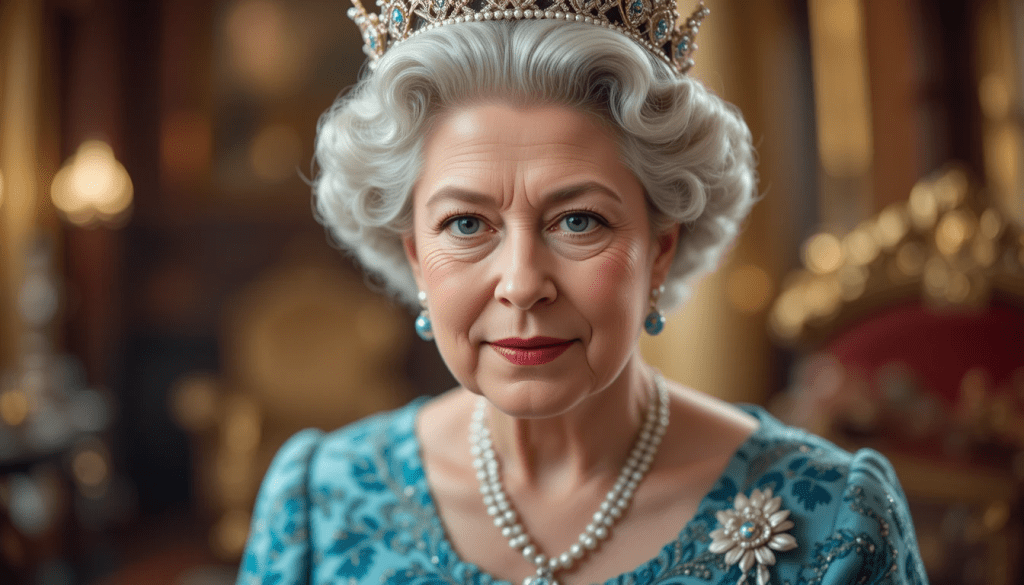
A reign of words: How Queen Elizabeth II shaped the language of royalty and beyond!
Originally published on February 6, 2025, on The-English-Nook.com.
Visit my page to find out ‘what happened on this day?‘ and learn ‘the word of the day‘—you’ll find it here first and all in one place!
If you’re a language enthusiast, you’ll have access to a variety of resources, including short stories in English and Spanish, interesting readings, vocabulary, and much more—not just for English, but also for Spanish. Come check it out!
 What Happened on This Day?
Leave a comment