
February 24, 1607
Monteverdi’s L’Orfeo and the Birth of Opera’s Lingua Franca
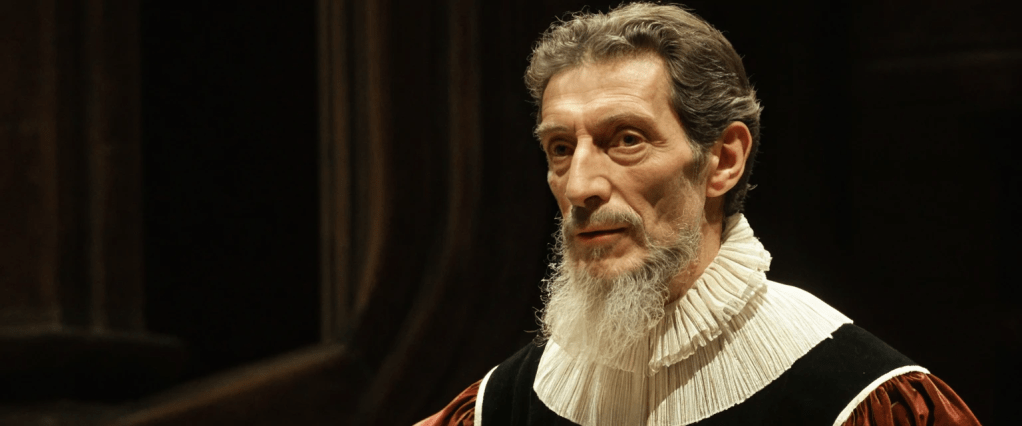
On February 24, 1607, Claudio Monteverdi’s L’Orfeo premiered in Mantua, Italy, marking one of the earliest examples of opera as a fully developed art form. Monteverdi’s work laid the foundation for modern musical storytelling, blending instrumental music, vocal performance, and dramatic narrative in a way that revolutionized European theatre. Although L’Orfeo was performed in Italian, its influence reached far beyond Italy, shaping the development of opera in England and other English-speaking countries.
The rise of opera led to the integration of Italian musical and theatrical terminology into English, a linguistic legacy that remains significant today. Terms such as “aria,” “recitative,” “libretto,” “overture,” “finale,” “sforzando,” “cadenza,” and “crescendo” became essential vocabulary in English music and literature, demonstrating how L’Orfeo helped define the language of performance and composition for centuries to come.
Opera’s Influence on English Musical and Dramatic Vocabulary
Monteverdi’s L’Orfeo was groundbreaking in how it combined music, poetry, and theatre to create an immersive dramatic experience. The opera’s success, alongside the later expansion of the genre, led to the adoption of numerous Italian and operatic terms into English, many of which remain widely used today:
Musical Terms Introduced or Popularized by Opera
- “Aria” – A solo vocal piece that conveys deep emotion, now broadly applied to expressive melodies beyond opera.
- “Recitative” – A sung style of speech that moves the plot forward, influencing how narration and dialogue are used in musical theatre.
- “Libretto” – The text or script of an opera, later extended to musical theatre and literary discussions.
- “Overture” – An instrumental introduction to an opera or play, now metaphorically used in English to mean the start of any major event.
- “Finale” – The concluding section of an opera or musical work, widely used in English to describe dramatic endings.
- “Crescendo” – A gradual increase in volume, which became a common metaphor for building tension or intensity in English discourse.
- “Cadenza” – A virtuoso solo passage, often improvised, which extended into literary and artistic descriptions of grand performances.
- “Sforzando” – A sudden strong emphasis in music, later used figuratively in expressions of forceful action or speech.
- “Bel canto” – Literally meaning “beautiful singing,” this term defines a lyrical and expressive vocal style that shaped both operatic and popular singing techniques.
Opera’s Impact on English Theatre, Poetry, and Literature
Beyond musical terminology, Monteverdi’s L’Orfeo influenced English theatrical traditions, inspiring later composers, playwrights, and poets. Opera introduced new ways of structuring stories through music and drama, leaving a lasting impact on English-language storytelling, poetry, and performance arts.
- Influence on English Drama – While early English drama (such as Shakespeare’s plays) relied on spoken dialogue, the integration of music in storytelling gained prominence after opera’s rise. Later English composers, such as Henry Purcell (e.g., Dido and Aeneas), adapted operatic conventions into English performance.
- Expansion of Dramatic Metaphors – Phrases like “it’s not over until the fat lady sings” and “a grand finale” originate from opera, demonstrating its impact on English idiomatic expressions.
- Poetic and Literary Inspiration – The highly emotional and allegorical nature of opera influenced Romantic poets like John Keats and Lord Byron, who incorporated operatic themes of passion, tragedy, and grandeur into their works.
- Opera in Popular Culture – Many English novels and plays referenced operatic structure and themes, helping integrate operatic terms into everyday English.
Monteverdi’s Legacy and the Spread of Opera to English-Speaking Cultures
Monteverdi’s innovations in L’Orfeo helped opera evolve into a dominant art form that later spread to English-speaking audiences. Though initially an Italian tradition, opera gained international recognition, with composers like George Frideric Handel, Wolfgang Amadeus Mozart, and later, Richard Wagner and Giuseppe Verdi influencing English music and cultural discourse.
By the 18th and 19th centuries, English-language operas emerged, incorporating many of the techniques and musical forms developed by Monteverdi. Additionally, as opera houses became cultural landmarks in English-speaking cities like London, New York, and Sydney, operatic terminology became embedded in English artistic discussions.
Even today, opera continues to shape English through:
- Musical Theatre – The influence of opera is evident in Broadway and West End productions, which rely on arias, overtures, and librettos as key elements of storytelling.
- Cinematic and Literary Language – Many film soundtracks and books adopt operatic structures, using dramatic tension, crescendos, and finales as storytelling tools.
- Metaphorical Language – Terms like “operatic” (grand or exaggerated), “melodrama” (over-the-top drama), and “swan song” (a final performance) are directly derived from opera and remain widely used in English.
Conclusion
The premiere of L’Orfeo in 1607 was a turning point in musical history, establishing opera as a major art form while also influencing the development of English musical, theatrical, and literary language. As opera spread, its terminology, dramatic techniques, and storytelling methods became an essential part of English discourse, enriching how music, theatre, and even everyday conversation evolved.
From Italian arias to English musicals, Monteverdi’s influence endures, proving that opera’s linguistic and artistic impact extends far beyond the stage.
From Mantua to modern musicals—opera’s echoes still shape the stage and the spoken word!
Originally published on February 24, 2025, on The-English-Nook.com.
Visit my page to find out ‘What Happened on this Day?‘ and learn ‘The Word of the Day‘—you’ll find it here first and all in one place!
If you’re a language enthusiast, you’ll have access to a variety of resources, including short stories in English and Spanish, interesting readings, vocabulary, and much more—not just for English, but also for Spanish. Come check it out!
 What Happened on This Day?
Leave a comment