
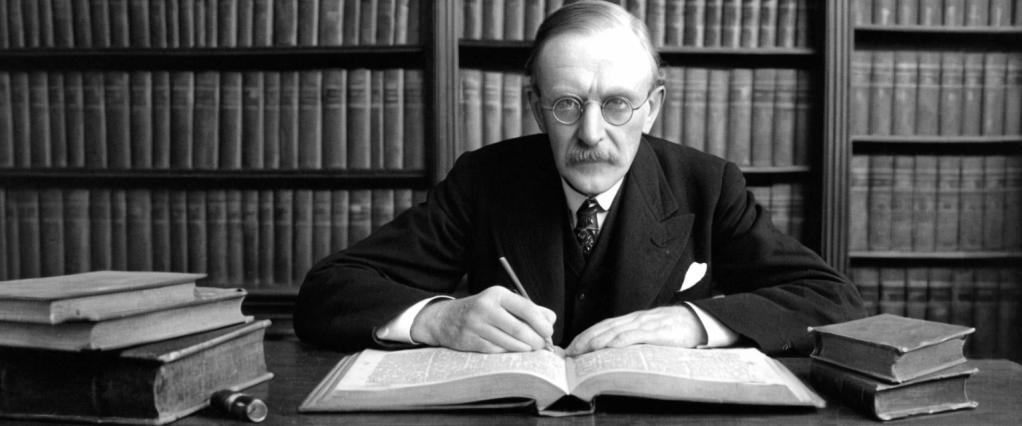
March 10, 1854
Shaping Modern English Usage and Style
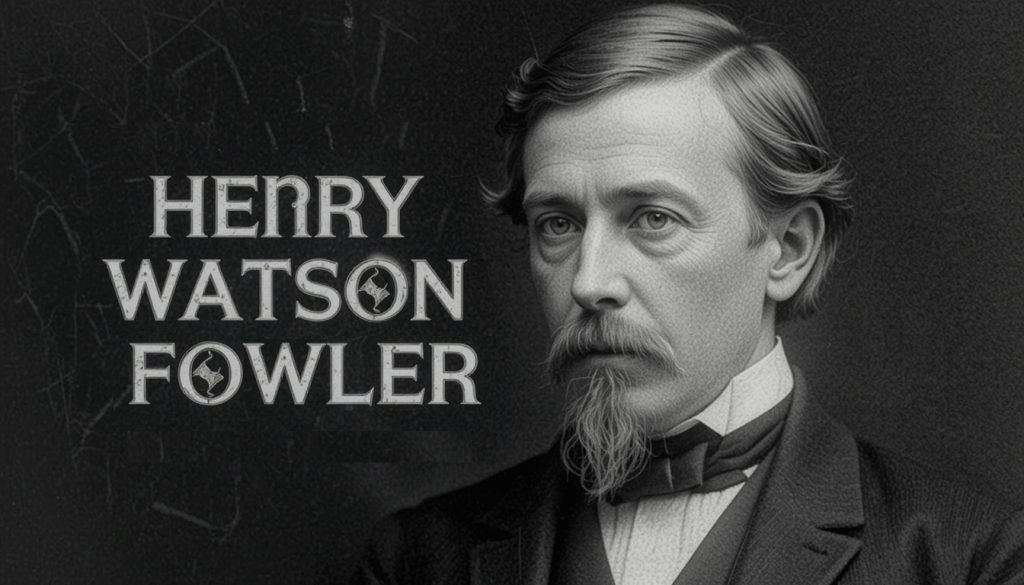
On this day in 1854, Henry Watson Fowler, one of the most influential English lexicographers and grammarians, was born. His contributions to the study and standardization of English usage, grammar, and style have left a lasting mark on the way the language is taught, understood, and refined.
Though Fowler initially pursued a career in teaching and journalism, he would later become best known for his meticulous work on English language reference books, particularly A Dictionary of Modern English Usage (1926). This book became a cornerstone for writers, editors, and schzolars, offering guidance on grammar, vocabulary, syntax, and style. His influence continues to shape English writing and editing practices today.
The Legacy of Fowler’s Modern English Usage
Fowler’s A Dictionary of Modern English Usage (often simply called Fowler’s) remains one of the most respected and widely referenced guides to the English language. First published in 1926, it aimed to clarify and codify best practices for written and spoken English, offering insight into word choice, sentence structure, idiomatic expressions, and grammatical correctness.
Some of the key contributions of Modern English Usage include:
- Clarity and Precision – Fowler advocated for clear, concise, and effective communication, discouraging unnecessary complexity in writing.
- Prescriptive Rules vs. Common Usage – He balanced a prescriptive approach to grammar (what should be done) with an understanding of evolving language norms.
- Linguistic Terminology – The book introduced and popularized terms such as “elegant variation” (the unnecessary use of synonyms to avoid repetition) and “sturdy indefensibles” (grammatical rules that people insist on but that are not actually necessary).
- Common Mistakes and Misuses – Fowler addressed frequently confused words and phrases, such as which vs. that, less vs. fewer, and shall vs. will, shaping editorial standards still followed today.
Fowler’s work has been revised and updated multiple times, with modern editions reflecting changes in grammar, word usage, and linguistic attitudes over time. However, his original 1926 edition remains a classic reference book for language purists and enthusiasts.
Fowler’s Influence on English Style and Grammar
Beyond Modern English Usage, Fowler co-authored The King’s English (1906) with his brother Francis George Fowler, another major contribution to English language scholarship. This book, though less famous than Fowler’s, reinforced principles of:
- Good sentence structure – Encouraging brevity, coherence, and readability.
- Word choice and diction – Advising against verbosity, clichés, and ambiguity.
- Grammar and punctuation – Setting guidelines for apostrophes, commas, and the use of subjunctive mood.
Fowler’s approach was at times humorous and opinionated, making his works more engaging than typical grammar manuals. His writing style set a precedent for future lexicographers, who aimed to blend practicality with personality in language guidance.
How Fowler’s Work Influenced English-Speaking Writers
Fowler’s impact on English extends beyond dictionaries and academic writing. His books became essential reading for:
- Editors and proofreaders, refining the standards of newspaper and book publishing.
- Journalists, shaping journalistic ethics on clear and effective communication.
- Authors and playwrights, helping them navigate the evolving conventions of English writing.
- Students and educators, influencing the way grammar and writing skills were taught in schools.
Famous writers such as George Orwell, Evelyn Waugh, and Kingsley Amis admired and referenced Fowler’s work. Orwell’s essay Politics and the English Language (1946) echoes Fowler’s emphasis on plain, unpretentious language as a tool for clarity and honesty in communication.
Enduring Influence: Fowler’s Relevance in the Digital Age
Even in the era of the internet, social media, and digital communication, Fowler’s principles remain highly relevant. His emphasis on concise, direct, and effective writing has influenced:
- Online journalism, where clarity and brevity are paramount.
- Technical writing, ensuring precision and readability in manuals and documentation.
- Academic writing, where scholars balance formal structure with accessibility.
- Business communication, emphasizing professionalism and linguistic precision.
Modern debates over grammar rules vs. evolving language norms often refer back to Fowler’s perspectives. His prescriptive yet flexible approach helps bridge the gap between traditional grammar standards and the dynamic nature of English as a living language.
Fowler’s Lasting Legacy in English Usage
Henry Watson Fowler’s contributions to English grammar, style, and usage continue to shape how the language is written, taught, and understood. His insistence on clarity, correctness, and effective communication remains a guiding principle for writers and editors today.
His name has become synonymous with good usage and precise language, ensuring that English remains a versatile, expressive, and well-structured medium of communication. Whether in classic literature, journalism, business, or online content, Fowler’s influence endures, making him one of the most significant figures in the history of the English language.
Good English never goes out of style—just ask Fowler!
Originally published on March 10, 2025, on The-English-Nook.com.
Visit my page to find out ‘What Happened on this Day?‘ and learn ‘The Word of the Day‘—you’ll find it here first and all in one place!
If you’re a language enthusiast, you’ll have access to a variety of resources, including short stories in English and Spanish, interesting readings, vocabulary, and much more—not just for English, but also for Spanish. Come check it out!
 What Happened on This Day?
Leave a comment